Drone Remote ID Rules Explain How Small Aircraft Fit Into Shared Airspace
FAA Remote ID rules show how drones are being treated less like isolated gadgets and more like small aircraft operating in shared public airspace.
Save Article
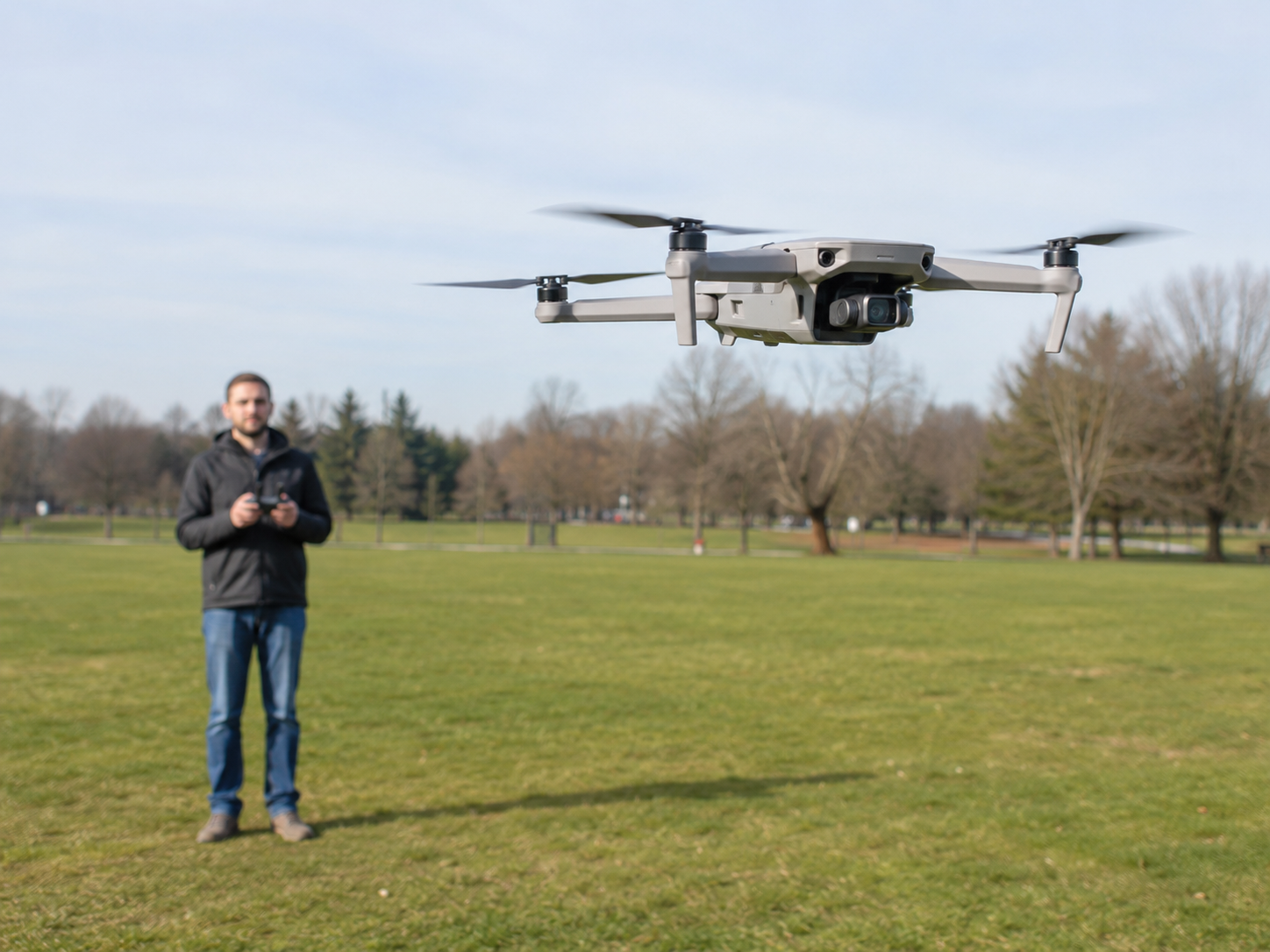
As drones become more common, airspace rules are trying to balance hobby use with safety and accountability. Editorial illustration by TheDailyGlobe.
A small drone over a park or neighborhood can look harmless from the ground. But once it is in the air, it becomes part of a shared space used by hobbyists, emergency responders, airports, public agencies and nearby communities.
That is the basic idea behind the Federal Aviation Administration's Remote ID rules. FAA says drones required to be registered, including many recreational, business and public-safety drones, must comply with Remote ID.
Remote ID is meant to help identify drones in flight and locate the control station when a drone appears to be flying unsafely or where it is not allowed. In plain terms, it is an accountability system for small aircraft that are becoming more common.
Why Identification Matters
FAA materials describe Remote ID as part of safely integrating drones into the national airspace. That matters because drones are not only consumer gadgets. They can fly near homes, schools, parks, airports, emergency scenes and other sensitive areas.
For law enforcement, aviation officials and public agencies, identification can help when a drone creates a safety concern. For responsible drone users, clearer rules can help separate ordinary hobby use from flights that create risk or violate restrictions.
What Users Still Need To Understand
The rules do not mean every small toy drone has the same requirements in every situation. FAA guidance depends on factors such as registration, drone type and how the aircraft is used.
FAA also provides guidance for recreational flyers and community-based organizations. Drone owners should treat that guidance as the starting point, along with local restrictions near airports, emergency scenes or other sensitive sites.
The next thing to watch is whether recreational users understand the rules well enough to follow them. As drones become more common, the practical question is not whether people can buy them. It is whether they know how to fly them safely in shared airspace.
Reporting note: Reporting draws on Federal Aviation Administration drone guidance, recreational flyer materials, Remote ID resources, and reviewed background materials. This article was produced with AI-assisted research and reviewed by an editor before publication.