Android Fake Call Detection Gives Users a New Tool Against Impersonation Scams
Google’s June Android Drop adds fake call detection, a phone-level warning meant to help users spot trusted-looking calls that may not be real.
Save Article
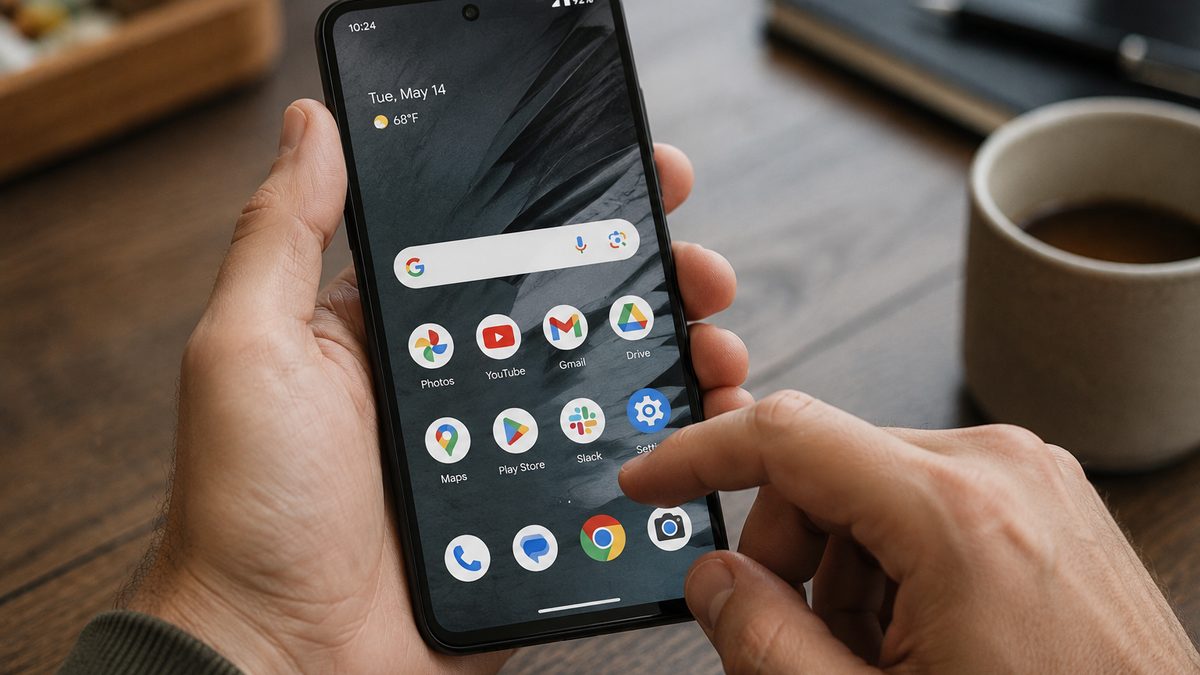
New phone tools are beginning to warn users when a trusted-looking call may not be real. Editorial illustration by TheDailyGlobe.
Key Facts
- Google’s June 2026 Android Drop includes fake call detection.
- Google says the feature is designed to warn users when a caller appears to be impersonating one of their contacts.
- The feature depends on Phone by Google, Android 12 or newer, RCS capability and compatible Google phone and contact systems.
- Technology reporting describes the feature as part of a wider response to AI-driven voice impersonation and spoofed-number concerns.
- The feature is not universal Android protection and does not stop every scam call.
A phone call that looks like it is coming from someone you trust can be harder to ignore than a random spam number. It may appear to be a family member, a friend, a school, an employer, a bank or another familiar contact. That is what makes impersonation scams so stressful: the caller is not just trying to reach you, but trying to borrow trust from someone already in your life.
Google is adding a new layer of protection for some Android users. As part of its June 2026 Android Drop, the company introduced fake call detection, a feature meant to warn users when a caller appears to be impersonating one of their contacts.
What The New Warning Is Meant To Do
The fake call detection feature moves beyond the older idea of flagging unknown spam numbers. Instead, it focuses on a more personal problem: a call that appears to involve someone already saved in a user’s contacts, but may not actually be coming from that person.
That distinction matters because many people have learned to avoid calls from unknown numbers. A call that appears to come from a trusted contact is different. It can create a sense of urgency before the person receiving the call has time to think.
Google’s approach is designed to give users a warning at the phone level when something about the call does not line up with the trusted identity it appears to be using. The goal is not to make the user an expert in spoofing or voice impersonation. It is to create a pause before someone acts on a call that may be fake.
Why Impersonation Calls Are Getting Harder To Judge
Impersonation scams are not new, but the tools available to scammers have changed. Spoofed numbers can make a call look familiar. AI voice tools have also raised concerns that a scammer may be able to imitate someone’s voice or create a convincing enough call to pressure a person into acting quickly.
Technology reporting on Google’s update describes the feature as partly aimed at those AI-driven voice impersonation and spoofing concerns. That does not mean every strange call involves AI, or that every fake call will be caught. It does mean phone makers are beginning to treat identity verification as part of everyday consumer protection.
For users, the practical takeaway is simple: caller ID alone is no longer enough to prove that a call is real. A warning from the phone can help, but it should be treated as one signal, not a guarantee.
Who Can Use It
The feature has important limits. It depends on Phone by Google, Android 12 or newer, RCS capability and both parties using compatible Google phone and contact systems. That means it will not apply to every Android phone, every carrier setup or every call.
That compatibility point is central to understanding the update. This is not a universal shield for all Android users. It is a new tool for people whose devices and services support it. Others may not see the warning at all, even if they face the same kinds of scam risks.
Rollout limits also matter. Phone features tied to operating systems, apps, carriers and messaging standards can reach users unevenly. A protection that works well for one person may not be available to another person in the same household.
What It Does Not Solve
Fake call detection should not be read as a reason to relax around suspicious calls. It does not stop all scam calls. It does not prove that every call without a warning is safe. It also does not remove the need for basic caution when someone asks for money, passwords, verification codes, account access or urgent action.
The safest habit remains low-tech: hang up and contact the person, school, bank, employer or business through a number or app you already trust. A real family member or legitimate institution can handle a call back. A scammer usually depends on keeping the pressure high and the decision fast.
The value of Google’s update is that it may help users notice a problem sooner. That can be especially useful for families, seniors, small-business owners and workers who may receive calls that look familiar during a busy day.
What To Watch Next
The bigger question is whether verified-caller tools become a standard part of phone safety. Google’s move shows one path: using phone software and contact systems to warn users when a trusted-looking call may not be what it appears to be.
Readers should watch whether Apple, carriers, banks, schools and phone makers expand similar tools, and whether those protections become easier to understand across different devices. Scam protection works best when users do not need to know the technical details to benefit from it.
For now, fake call detection is a useful step, not a complete answer. It gives some Android users another warning sign in a world where a familiar name on a phone screen is no longer enough by itself.
Reporting note: Reporting draws on Google product materials, Google security context, established technology reporting, and reviewed background materials. This article was produced with AI-assisted research and reviewed by an editor before publication.