Technology
Cybersecurity
More stories from this topic
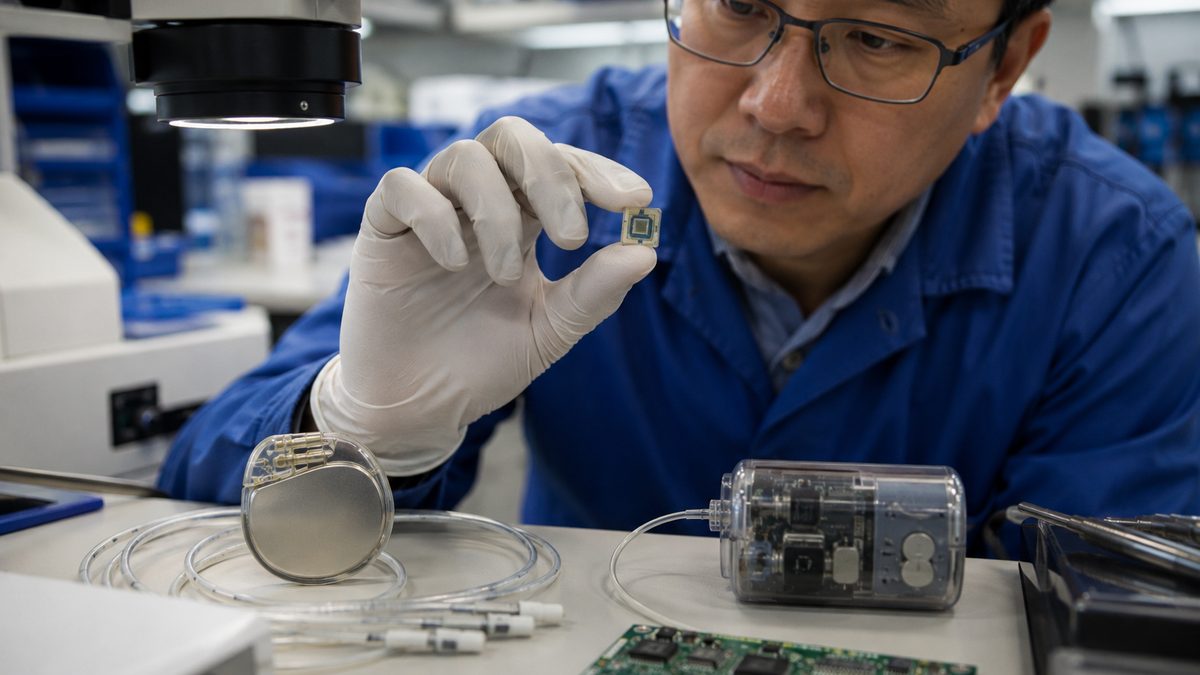
Tiny Security Chips Could Help Protect Pacemakers From Future Quantum Attacks
MIT researchers developed an ultra-efficient chip that could help bring post-quantum cryptography to small wireless medical devices such as pacemakers and insulin pumps.
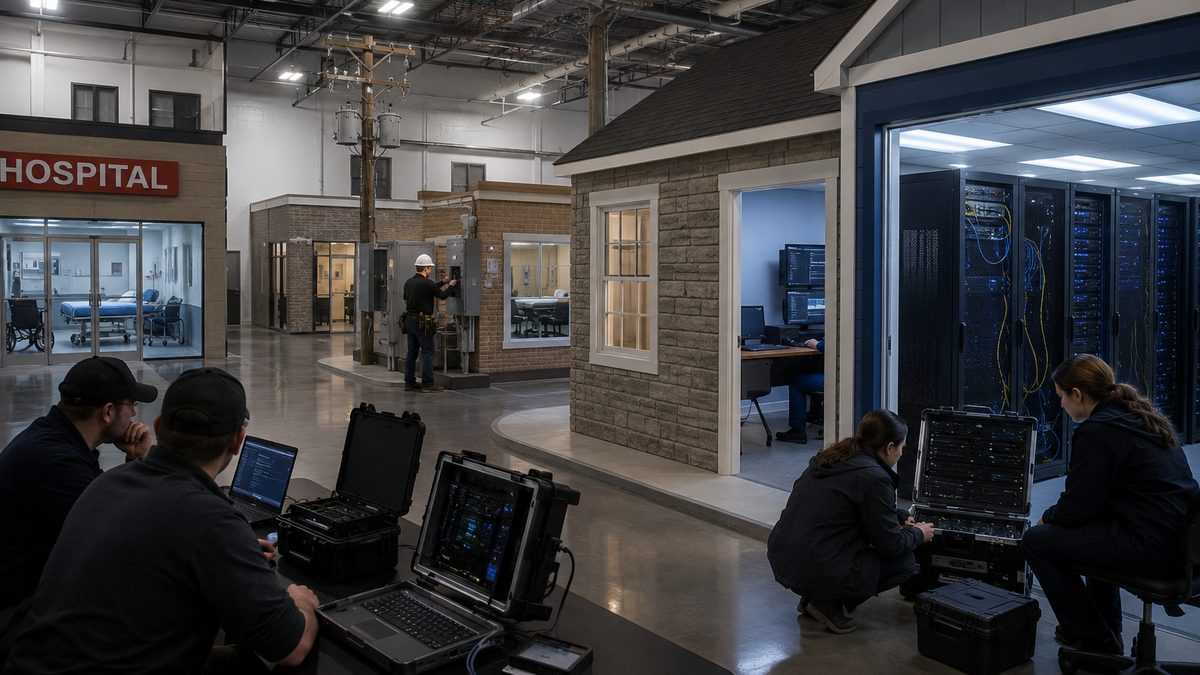
Why the FBI Built a Fake Town to Train for Real-World Cyber Incidents
The FBI's Kinetic Cyber Range looks like a small town, but its purpose is to prepare investigators and responders for cyber incidents that can affect hospitals, utilities, businesses, and other real-world systems.

Android’s New Safety Tools Give Families More Practical Phone Controls
Google’s June Android Drop adds call-verification warnings and family safety features, though availability will depend on device and app support.

Online Scams Are Changing Who Gets Targeted and How
FBI internet crime data shows online scams are not only growing more costly, but also reaching households across age groups through crypto, AI-related and other cyber-enabled fraud.

Project Glasswing Targets the Open-Source Software Behind Critical Systems
Anthropic's Project Glasswing puts a spotlight on open-source software security and the shared code that banks, hospitals, cloud services and governments depend on.
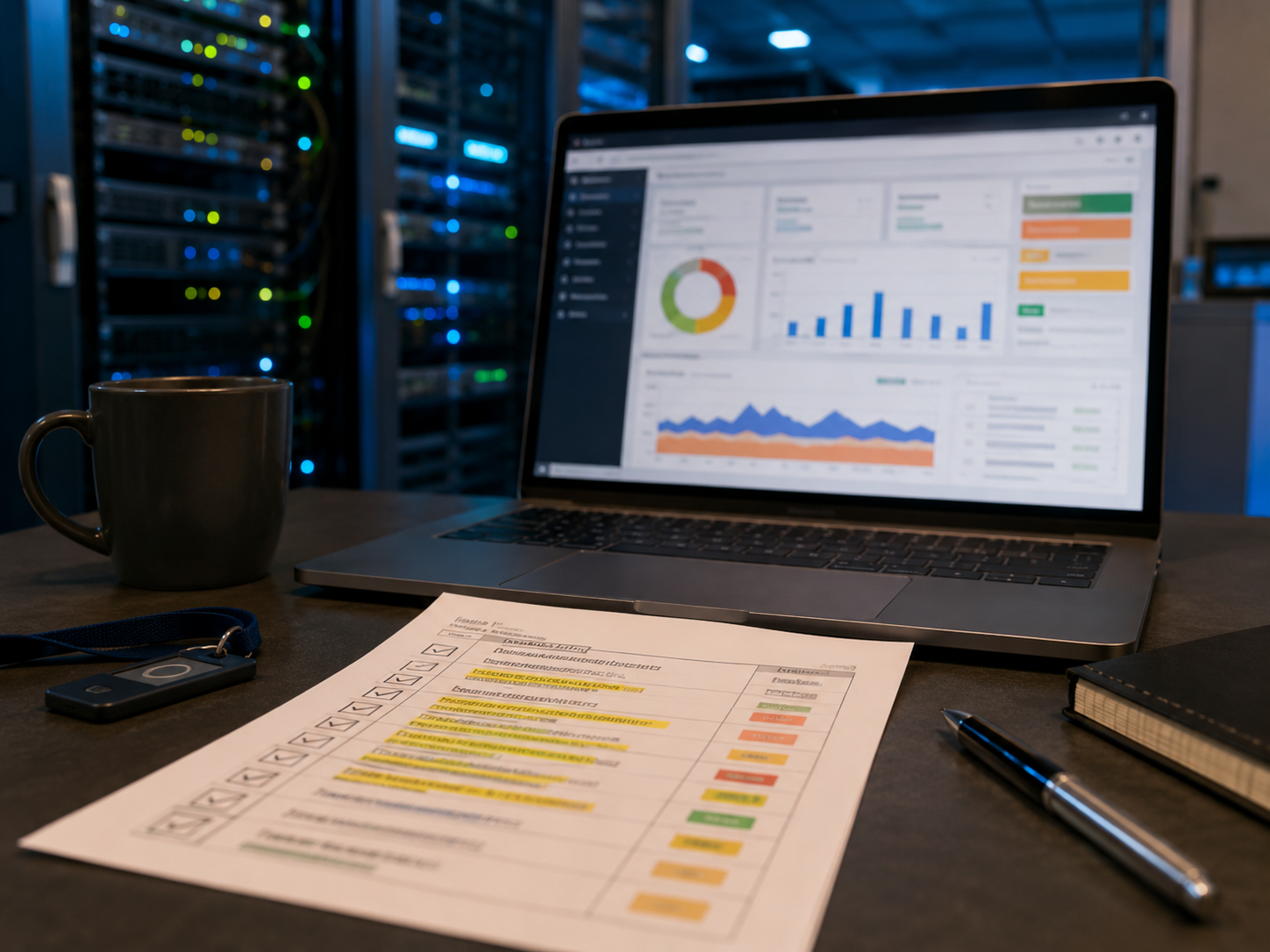
CISA Exploited-Flaw Updates Keep Pressure on Patch Management
CISA's Known Exploited Vulnerabilities catalog gives federal agencies deadlines for fixing actively exploited flaws and gives private organizations a practical risk list.

Microsoft Defender Flaws Put Patch Timing Back in the Spotlight
Two Microsoft Defender vulnerabilities reportedly under active exploitation show why security tools still need fast, verified updates.

Why Cyber Incident Reporting Rules Are Becoming a Bigger Deal for Critical Infrastructure
Hospitals, utilities, pipelines, schools, and local governments are being pushed toward faster cyber reporting as federal officials try to spot attacks sooner and limit wider damage.