Project Glasswing Targets the Open-Source Software Behind Critical Systems
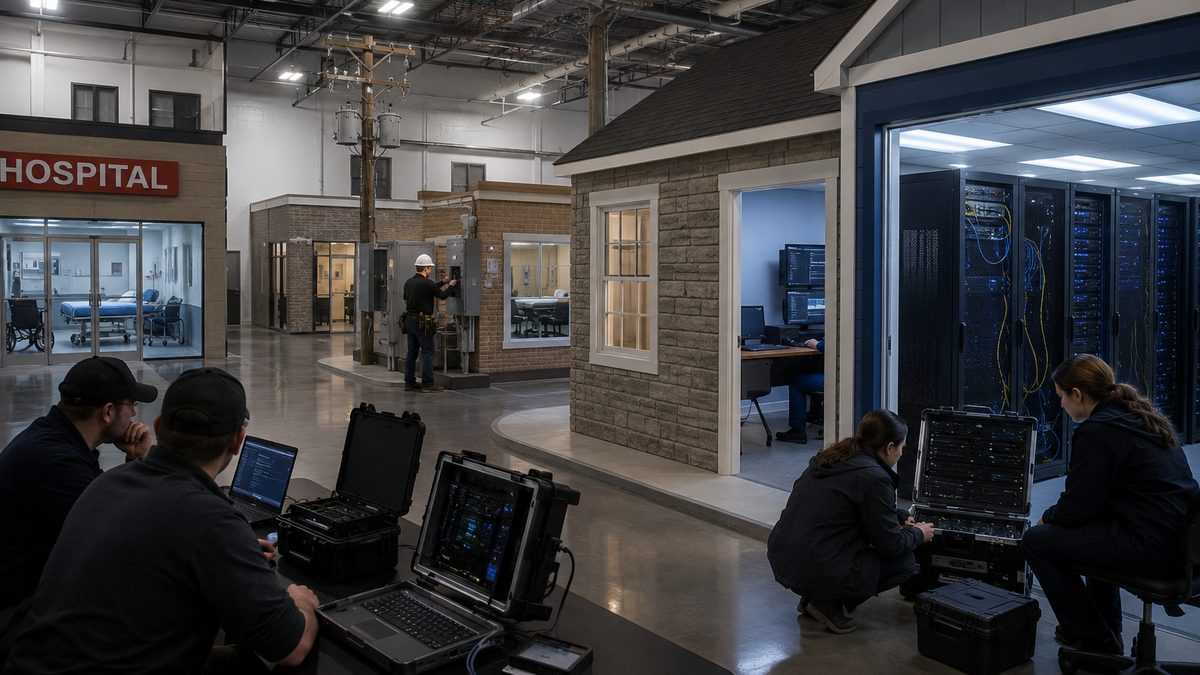
Anthropic's Project Glasswing puts a spotlight on open-source software security and the shared code that banks, hospitals, cloud services and governments depend on.
Save Article

Anthropic's Project Glasswing puts a spotlight on open-source software security and the shared code that banks, hospitals, cloud services and governments depend on. Editorial illustration by TheDailyGlobe.
Key Facts
- Anthropic announced Project Glasswing on April 7, 2026.
- Anthropic says the initiative brings together AWS, Anthropic, Apple, Broadcom, Cisco, CrowdStrike, Google, JPMorganChase, the Linux Foundation, Microsoft, NVIDIA, and Palo Alto Networks.
- Anthropic describes the project as an effort to secure critical software.
- Linux Foundation and public-sector cybersecurity materials have emphasized open-source and software supply-chain security as critical infrastructure issues.
- The project is collaboration-focused rather than a single product release.
A new cybersecurity effort called Project Glasswing is putting attention on a part of technology most people use without ever seeing: the open-source software built into critical systems.
Anthropic announced Project Glasswing on April 7, 2026, describing it as an effort to secure critical software. The company says the initiative brings together AWS, Anthropic, Apple, Broadcom, Cisco, CrowdStrike, Google, JPMorganChase, the Linux Foundation, Microsoft, NVIDIA, and Palo Alto Networks.
For regular users, the issue is not whether open-source software is good or bad. The point is that banks, hospitals, cloud services, devices and government systems often rely on shared software components. When that code is poorly maintained, hard to audit or widely reused without enough support, the risk can spread far beyond one project.
Why Open-Source Code Matters
Open-source software is code that can be viewed, used, modified or shared under open licenses. It is a normal part of modern technology, not a fringe practice. Companies and governments use open-source components because they can be reliable, flexible and widely tested.
That also means the same component can appear in many places. A library maintained by a small group of developers might be used inside a cloud service, a banking tool, a medical system or an app that millions of people depend on.
The security challenge is maintenance. Someone has to find bugs, review changes, update dependencies, respond to vulnerabilities and keep track of where shared code is being used. When that work is underfunded or scattered across too many organizations, the weakness is not simply technical. It becomes a shared responsibility problem.
What Project Glasswing Is Trying to Address
Anthropic describes Project Glasswing as an effort to secure critical software. The list of participating organizations shows that major technology companies, cybersecurity firms, a large financial institution and the Linux Foundation see value in working together on the problem.
The project should not be read as a single product release or a guarantee that participating software is now secure. The handoff material describes it as collaboration-focused. That matters because open-source security usually cannot be solved by one company alone.
Shared code creates shared exposure. If many organizations depend on the same underlying software, then improving that software requires coordination across vendors, maintainers, cloud providers, security researchers and users.
The Supply-Chain Problem
Software supply-chain security means protecting the path from code creation to real-world use. It includes the original code, outside libraries, build systems, updates, distribution channels and the organizations that depend on all of it.
CISA has treated software supply-chain security as an important cybersecurity issue. That framing helps explain why this story matters beyond developers. A software weakness can affect organizations that never wrote the code themselves but still rely on it through vendors, platforms or internal systems.
For a hospital, that may mean systems used for scheduling, records or operations. For a bank, it may mean tools that support transactions or internal technology. For a government agency, it may mean systems that serve the public. The user may never know which open-source components are involved, but the reliability of those components can still matter.
Open Source Is Not the Villain
A common mistake is to treat open-source software as automatically unsafe. That is not the lesson here.
Open-source projects can benefit from broad review and public collaboration. Many are essential pieces of the internet and enterprise technology. The risk comes when widely used code lacks enough maintenance, when organizations do not track what they use, or when updates and security fixes do not move quickly through the systems that depend on them.
In plain English, the issue is not that shared code exists. The issue is whether the people and organizations relying on it help keep it healthy.
What Remains Unproven
It remains unclear what Project Glasswing will accomplish in practice, how success will be measured, and which software components or maintenance problems will receive priority.
It is also unclear how much long-term support participating organizations will provide. Open-source security often needs patient maintenance, not only announcements, audits or short-term attention after a major incident.
For readers, the clean takeaway is that cybersecurity is not only about hackers, passwords or emergency patches. It is also about the quiet work of maintaining the software foundations everyone depends on. Project Glasswing is a reminder that the code behind critical systems needs shared support before something breaks, not only after it does.
Reporting note: Reporting draws on Anthropic company materials, Linux Foundation open-source security resources, CISA software supply-chain materials, cybersecurity reporting, and reviewed security context. This article was produced with AI-assisted research and reviewed by an editor before publication.