
Why Eligible Families Miss Government Benefits That Could Help
Federal and state programs can help with food, utilities, phone service and health costs, but families often have to navigate scattered rules and agencies first.

Free Credit Reports Can Catch Problems Before They Cost Families
Federal rules give consumers free tools to review credit reports, freeze access and respond to fraud, but those protections only help when people know how to use them.

School Meal Rules Still Leave Families Navigating Paperwork
Free and reduced-price school meal rules are updated each year, but families can still miss help when applications, fees and program links are hard to navigate.

School Meal Rules Could Make Cheap, Healthy Foods Harder for Cafeterias to Serve
Proposed limits on non-U.S. foods in school meals could affect cafeteria costs, menu choices and the affordable foods families count on schools to provide.

Made-in-America Rules Are Slowing Some Affordable Housing Projects
Build America, Buy America rules are meant to support U.S.-made materials, but housing developers say compliance and waiver delays are slowing some affordable projects.

Junk Fee Rules Are Changing Checkout, but Protections Still Depend on Where You Live
New federal and state rules are pushing more fees into the advertised price, but consumers still face a patchwork depending on the purchase and the state.

Healthcare Is Getting Harder to Afford Before the Next Big Policy Fight
A new affordability poll and looming policy changes show how health costs are becoming a direct household issue before the next major fight in Washington.

A Court Challenge Failed, but the Bigger Test for Free Child Care Is Still Ahead
A New Mexico judge dismissed a lawsuit against the state's universal child care program, allowing one of the country's most closely watched affordability experiments to continue.

Student Loan Borrowers Face a New Repayment Deadline This Summer
Federal student loan repayment rules are changing before July 1, creating new choices for borrowers and raising questions about how the transition will affect monthly budgets.

Indiana Waiver Shows How Federal School Money Is Moving Toward State Control
Indiana has received federal approval to combine several education funding streams, highlighting a broader debate over whether states should have more freedom or more federal oversight in how school dollars are used.

Trump’s Public Lands Order Reopens a Fight Over Who Federal Lands Are For
A new executive order revoking decades-old off-road vehicle directives has reignited debate over access, recreation, wildlife protection, and the future management of federal lands.

How New Metal Tariffs Could Show Up in Construction, Equipment and Consumer Costs
The Trump administration has adjusted tariff rules for steel, aluminum, and copper imports. The policy is aimed at supporting domestic industry, but its economic effects remain uncertain.

DOJ Clears Paramount-Warner Deal, Raising a Bigger Question About Media Power
Federal antitrust regulators ended their review of a major media merger, but questions remain about consolidation, competition, and who controls major entertainment and news brands.

New College Aid Rules Could Tie Federal Support to Earnings Outcomes
A proposed Education Department framework would connect parts of federal student aid policy to program earnings outcomes, raising practical questions for students, families, colleges, and training programs.
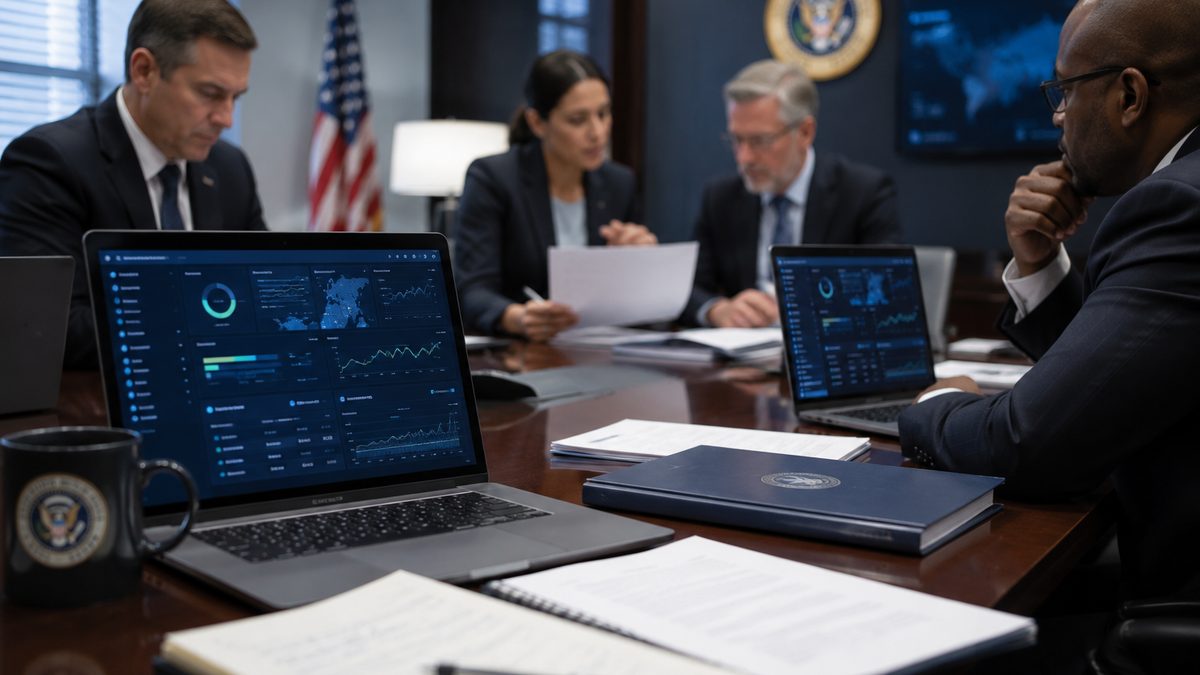
New AI Order Opens Voluntary Federal Review Window for Frontier Models
A new executive order creates a voluntary federal review process for advanced AI systems, with cybersecurity risks at the center of the policy.
House Passes Agriculture and FDA Spending Bill as Budget Season Moves Forward
The House narrowly passed a fiscal 2027 spending bill covering agriculture, rural development, the FDA and related agencies, but Senate action is still ahead.

Labor Department 401(k) Proposal Puts Alternative Investments Back in Focus
A proposed Labor Department rule could change how retirement-plan fiduciaries evaluate alternative assets, but the final rule and actual plan changes are still unsettled.

Labor Wage Rule Would Raise Stakes for H-1B and Employment-Based Hiring
A proposed Labor Department rule would change how wage levels are set for several foreign-worker programs, affecting employers, skilled workers, and labor-market policy.