Trump’s Public Lands Order Reopens a Fight Over Who Federal Lands Are For
A new executive order revoking decades-old off-road vehicle directives has reignited debate over access, recreation, wildlife protection, and the future management of federal lands.
Save Article
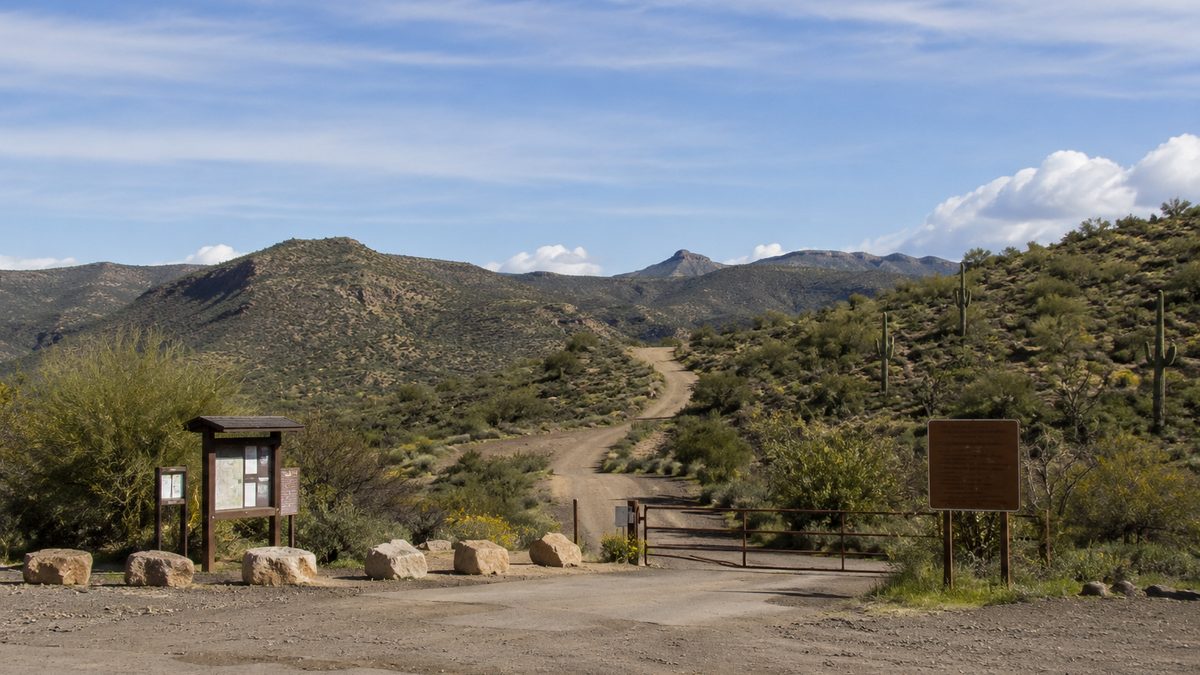
Public land policy often comes down to how government balances access, recreation, wildlife, and long-term stewardship. Editorial illustration by TheDailyGlobe.
Key Facts
- President Trump revoked earlier executive orders governing off-road vehicle management on federal lands.
- The Federal Register published the order on June 3, 2026.
- The administration says the change will help expand access and recreational opportunities.
- Critics warn expanded vehicle access could affect wildlife habitat and sensitive ecosystems.
- Specific changes on the ground will depend on future agency decisions and implementation.
For many Americans, federal land is not an abstract policy issue. It is where they hunt, fish, hike, camp, ride off-road vehicles, or simply spend a weekend outdoors. The rules governing those lands often go unnoticed until they change.
That is why a recent executive order from President Donald Trump has drawn attention from recreation groups, conservation organizations, and public-land managers. The order revokes earlier executive directives that helped shape how off-road vehicle use was managed on federal lands, reopening a long-running debate over access and conservation.
What the Order Changes
According to the executive order and its publication in the Federal Register, the administration is removing earlier directives that guided federal agencies in managing off-road vehicle use on public lands. The order argues that the previous framework imposed restrictions that were unnecessary and limited access to federal property.
The administration says federal land should support a broad range of uses, including recreation. The order frames the change as part of a wider effort to increase public access and expand opportunities for outdoor activities on lands managed by the federal government.
The action does not automatically open all federal lands to unrestricted vehicle use. Federal agencies still manage individual lands, roads, trails, and recreation areas under their own authorities and regulations.
Why the Debate Goes Beyond Recreation
At first glance, the issue may appear to be about where people can ride off-road vehicles. In practice, the debate touches on a broader question: what priorities should guide the management of public lands owned by all Americans?
Supporters of expanded access argue that federal lands should remain available for recreation, tourism, hunting, fishing, and outdoor activities that contribute to local economies. In many western communities, visitors who use public lands help support restaurants, lodging businesses, equipment suppliers, and guide services.
Conservation groups, however, argue that vehicle access can create pressure on sensitive landscapes. They point to concerns involving soil damage, wildlife disturbance, habitat fragmentation, and impacts on waterways in certain areas. Critics say previous protections were developed to balance recreation with long-term stewardship.
What the Order Does Not Decide
While the executive order establishes a new policy direction, many practical questions remain unanswered. The document itself does not identify every road, trail, or recreation area that could be affected.
Instead, federal agencies will be responsible for determining how the policy is implemented. Agencies such as the Bureau of Land Management, Forest Service, National Park Service, and Fish and Wildlife Service may each face decisions about whether existing access rules should be revised.
As a result, visitors to federal lands should not assume that local regulations have immediately changed. Existing restrictions generally remain in place until agencies take specific actions under their management authorities.
What Critics and Supporters Are Watching
The administration's central argument is straightforward: more access can create more recreational opportunities. Whether that goal is achieved without creating new management challenges will be one of the key questions facing federal agencies.
Conservation organizations are watching closely for signs that protected habitats or ecologically sensitive areas could see increased vehicle activity. Recreation advocates, meanwhile, are looking for evidence that agencies will expand access where they believe restrictions have been overly limiting.
Because implementation has not yet occurred across the federal system, neither side can point to broad nationwide results. The practical effects will depend on future decisions made area by area rather than the executive order alone.
What Readers Should Watch Next
The next phase of the story will likely take place inside federal agencies rather than the White House. Future rule changes, management plans, public-comment periods, and land-specific decisions will determine how much access actually changes.
Another question is whether environmental organizations challenge aspects of implementation through the courts. No broad legal outcome has been established, but litigation is one of several possibilities observers are watching.
For now, the executive order has shifted the policy conversation. What remains unclear is how much that shift will alter the experience of people who use federal lands. The answer will emerge not from the order itself, but from the agency decisions that follow.
Reporting note: Reporting draws on White House materials, Federal Register publications, policy analysis, established reporting, and reviewed background materials. This article was produced with AI-assisted research and reviewed by an editor before publication.