Made-in-America Rules Are Slowing Some Affordable Housing Projects
Build America, Buy America rules are meant to support U.S.-made materials, but housing developers say compliance and waiver delays are slowing some affordable projects.
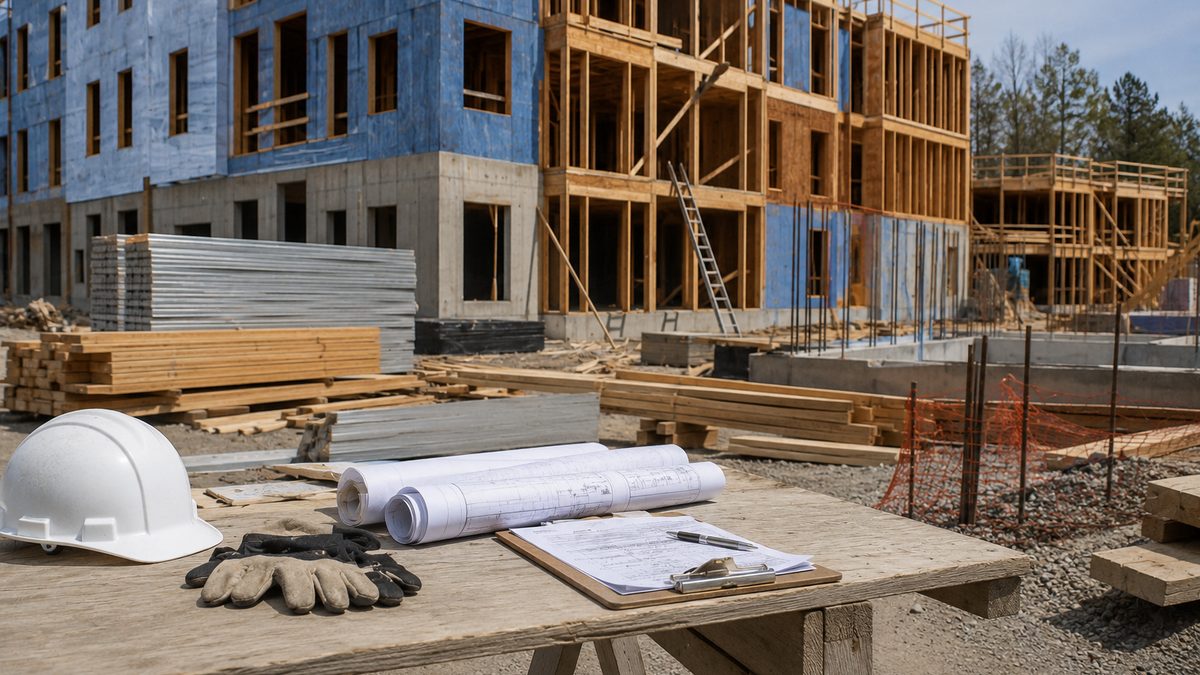
Federal sourcing rules meant to support U.S.-made materials are drawing scrutiny from housing developers who say some affordable projects are being delayed. Editorial illustration by TheDailyGlobe.
Key Facts
- Build America, Buy America requirements apply to many federally funded infrastructure projects and require covered materials and products to be produced in the United States.
- HUD describes BABA as covering iron, steel, construction materials and manufactured products used in federally funded infrastructure projects.
- Associated Press reporting found affordable housing developers have faced delays, added costs and difficulty sourcing some covered products.
- Developers can seek waivers, but reporting has described the waiver process as slow and limited for some projects.
- A proposed congressional fix, the Build Housing Affordably Act, would temporarily suspend certain BABA requirements for covered affordable housing projects while HUD studies the impact.
Affordable housing is already hard to build quickly. Land costs, financing, zoning, materials, labor and local approvals can all slow a project before a family ever sees a finished apartment.
Now another layer is drawing attention: federal Made-in-America sourcing rules. Build America, Buy America requirements are intended to support domestic manufacturing by requiring federally funded infrastructure projects to use U.S.-made iron, steel, construction materials and manufactured products. But housing developers and industry groups say the rules are delaying some affordable housing projects at a time when rents remain difficult for many households.
The tradeoff is not simple. The policy goal is to strengthen U.S. production and steer taxpayer-backed projects toward American-made materials. The housing concern is that strict sourcing rules, waiver delays and added costs can make it harder to deliver affordable units when waitlists are already long.
What the Rule Is Trying to Do
Build America, Buy America was enacted as part of the 2021 infrastructure law. Its purpose is straightforward: when federal dollars help pay for infrastructure, the materials and manufactured products used in those projects should generally be made in the United States.
That idea has broad political appeal. Supporters see it as a way to strengthen domestic manufacturing, protect supply chains and make sure public money supports American workers and producers. In many infrastructure projects, that policy goal fits naturally with roads, bridges, water systems and other public works.
Affordable housing, though, has created a harder question. Housing projects that receive certain federal funds can also be treated as covered infrastructure. That means developers may have to document that covered materials and products meet domestic sourcing rules, even when ordinary construction supply chains rely on imported parts.
Why Housing Developers Say Projects Are Slowing
The problem described by developers is not only that some products cost more. It is that finding, documenting and approving compliant materials can slow construction planning and financing.
Associated Press reporting described affordable housing developers dealing with delays, higher costs and difficulty sourcing items such as HVAC systems, lighting and other building products that must meet Made-in-America requirements. Builders can apply for waivers, but the same reporting described the waiver process through HUD as slow, with only a limited number of approvals moving through.
For a market-rate project, a developer may be able to change suppliers, adjust pricing or delay work while absorbing the cost. Affordable housing projects often have less room. They are commonly built with layered financing, public subsidies, tax credits, grants and strict budget assumptions. A delay or cost increase can force a project team to look for more money, shrink the project or postpone construction.
That is why the issue matters to renters, not just builders. If a project loses units or opens later, the effect can show up as fewer affordable apartments available to households waiting for them.
The Policy Tradeoff
The debate is not simply domestic manufacturing versus housing. Both goals have public value.
A stronger U.S. supply base can matter for jobs, resilience and long-term production capacity. At the same time, affordable housing is not an abstract policy category. It is the apartment a senior can afford, the unit a service worker needs near a job, or the home that keeps a family from spending too much of its income on rent.
The tension comes when a rule meant to strengthen one public goal makes another harder to reach. If domestic sourcing requirements delay projects that already depend on narrow budgets and complicated funding, the cost is not only paperwork. It can mean fewer doors opening for people who need housing.
That does not mean the Made-in-America policy has no value. It means housing may require a more careful fit between manufacturing policy and the realities of affordable construction.
What Congress Is Considering
A proposed congressional response, the Build Housing Affordably Act, would temporarily suspend the application of certain Build America, Buy America requirements for covered affordable housing projects while HUD studies how the policy affects housing development.
HousingWire reported that the measure would pause certain requirements and require federal officials to study the policy’s impact. Materials from housing policy groups also describe provisions aimed at HUD review, waiver deadlines and automatic approval procedures for some waiver requests.
The proposal is not a final fix. It would have to move through Congress, and the details would matter. But it shows that lawmakers are hearing from housing developers and advocates who argue that the current process is creating delays during a housing shortage.
What Remains Unclear
Several questions remain unresolved. It is unclear how many affordable housing projects are delayed nationwide because of BABA requirements, how many units have been lost or postponed, and how much of the problem comes from the rule itself versus the waiver process.
It is also unclear how quickly HUD could adjust the process or whether Congress will pass a suspension or narrower fix. Developers may continue to seek waivers, change suppliers or avoid certain federal funds when possible, but those choices are not available or practical for every project.
For readers, the important point is that housing costs are shaped by more than rent listings and mortgage rates. Federal rules written for one purpose can affect whether affordable homes get built, how quickly they open and how many units fit inside a project budget.
The next thing to watch is whether HUD changes waiver handling, whether Congress advances the Build Housing Affordably Act, and whether affordable housing developers keep reporting delays tied to Made-in-America compliance. The policy goal may be domestic production, but the reader-facing question is closer to home: can the country support U.S.-made materials without slowing the housing people are waiting for?
Reporting note: Reporting draws on Associated Press reporting, housing industry coverage, congressional materials, HUD policy context, and reviewed background materials. This article was produced with AI-assisted research and reviewed by an editor before publication.