How New Metal Tariffs Could Show Up in Construction, Equipment and Consumer Costs
The Trump administration has adjusted tariff rules for steel, aluminum, and copper imports. The policy is aimed at supporting domestic industry, but its economic effects remain uncertain.
Save Article
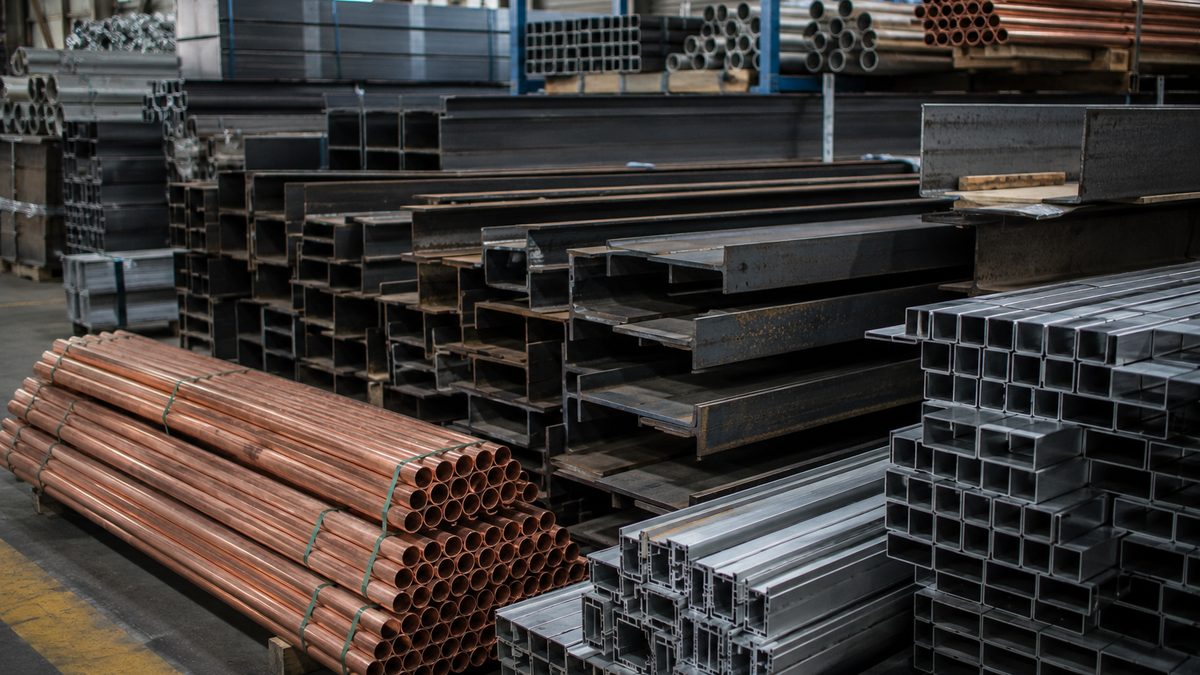
Tariff changes can move from trade policy into the cost of buildings, equipment, and everyday goods. Editorial illustration by TheDailyGlobe.
Key Facts
- The White House announced changes to tariff regimes affecting steel, aluminum, and copper imports.
- The policy changes were published through a presidential proclamation and confirmed in the Federal Register.
- The administration says the adjustments are temporary and tied to national-security and industrial-base goals.
- Industry reporting indicates some equipment categories will receive adjusted tariff treatment.
- The ultimate cost effects remain uncertain and will depend on how businesses and supply chains respond.
Most people do not buy raw steel, aluminum, or copper. But those materials are built into many of the things people use every day, from homes and office buildings to farm equipment, vehicles, machinery, and infrastructure projects.
That is why changes to metal tariffs often attract attention beyond trade policy circles. A new Trump administration proclamation adjusting tariff treatment for certain steel, aluminum, and copper imports could eventually affect business costs in several industries, even if the effects are not immediately visible to consumers.
What Changed in the Tariff Policy
According to White House materials and the published proclamation, the administration has updated tariff regimes covering imports of steel, aluminum, and copper. The administration describes the changes as part of an effort to support industries it considers important to national security and the country's industrial capacity.
Tariffs are taxes applied to imported goods. When tariffs increase or change, importers may face higher costs when bringing products or materials into the United States. Those costs can be absorbed by businesses, shared across supply chains, or passed along in varying degrees depending on market conditions.
The current proclamation does not establish a simple, guaranteed path from tariffs to consumer prices. Instead, it changes the economic calculations facing companies that rely on imported metals and metal-containing products.
Why These Metals Matter Beyond Trade Policy
Steel, aluminum, and copper occupy a unique place in the economy because they appear in a wide range of products and projects. Steel is commonly used in commercial construction, manufacturing, transportation equipment, and infrastructure. Aluminum appears in vehicles, machinery, packaging, and industrial products. Copper plays a major role in electrical systems, wiring, utilities, and construction.
Because these materials sit so deep within supply chains, policy changes affecting them can sometimes take months to work through contracts, inventories, and purchasing decisions.
For builders, manufacturers, farmers, and equipment buyers, the question is often less about the tariff announcement itself and more about whether suppliers eventually adjust prices or sourcing strategies.
The Debate Over Protection and Cost
The administration argues that tariff adjustments can help strengthen critical domestic industries and reduce reliance on foreign production. Supporters of that approach contend that maintaining a strong industrial base can provide economic and national-security benefits.
Businesses that depend heavily on imported materials, however, often focus on a different question: whether higher import costs could make projects, equipment, or manufacturing more expensive. Industry reporting reviewed by TheDailyGlobe notes that some sectors are evaluating how the revised tariff treatment could affect purchasing decisions and project planning.
At this stage, neither side has definitive evidence about the full economic outcome of the latest changes. The administration's goals can be stated clearly, but whether those goals translate into increased domestic production or different market behavior will take time to evaluate.
What Remains Unclear
Several important questions remain unanswered. It is not yet clear how much of any additional cost businesses will absorb themselves and how much could be passed through supply chains.
It is also unclear whether domestic production will expand enough to offset higher costs associated with some imported materials. Available reporting does not establish how individual industries will respond or whether affected companies will seek exemptions, modifications, or additional policy changes.
The proclamation establishes the policy framework, but the economic response will emerge gradually through purchasing decisions, investment choices, and market conditions.
What Readers Should Watch Next
The most useful indicators may not come from political statements but from business activity. Reports from manufacturers, builders, equipment suppliers, and industry groups could provide early signs of how the tariff adjustments are affecting costs and planning.
Readers should also watch for exemption requests, additional administrative guidance, and future tariff adjustments. Those developments may offer a clearer picture of how the policy is working in practice.
For now, the confirmed change is straightforward: the administration has revised tariff treatment for certain steel, aluminum, and copper imports. What remains uncertain is how much those changes will influence domestic production, business costs, and the prices that eventually reach customers.
Reporting note: Reporting draws on White House materials, Federal Register publications, industry reporting, and reviewed background materials. This article was produced with AI-assisted research and reviewed by an editor before publication.