
Work-From-Home Is Still Not Reaching Every Worker Equally
Fresh time-use data shows working from home remains common, but access to that flexibility still depends heavily on the kind of job a worker has.

A Slower Job-Switching Market Can Leave Workers Feeling Stuck
The next JOLTS report will offer a fresh look at openings, quits and hiring, but the bigger question for many workers is whether changing jobs still feels safe.

July Wage Hikes Put Workers and Small Employers on the Same Deadline
Minimum wage increases taking effect July 1 in several places will affect paychecks, payroll systems and small-business planning, but not every worker or employer is covered.

What Fewer Job Quits Can Say About Worker Confidence
The number of people quitting jobs can offer a useful, limited signal about how confident workers feel about finding something better.

Why Summer Jobs Are Harder to Find for Many Teens
A tougher summer job search is hitting teens, parents and the local employers that usually rely on seasonal entry-level workers.

The Trades Shortage Is No Longer a Future Problem
Employers across construction, utilities, manufacturing, and maintenance say finding skilled workers has become one of their biggest challenges as experienced tradespeople retire faster than new workers enter the field.

Real Wages Slipped Again, and Families Can Feel It
A paycheck can rise on paper and still lose ground if prices rise faster, which is why real wages matter for household budgets.

Real Wages Slipped in May as Prices Rose Faster Than Pay
A small decline in real earnings may help explain why some workers still feel pressure on household budgets even when paychecks are growing.

Small Business Owners Are Pulling Back as Costs and Uncertainty Rise
A closely watched small-business survey shows rising uncertainty and weaker optimism, raising questions about hiring, spending, and Main Street growth.
Jobless Claims Rise, but the Labor Market Still Looks Uneven Rather Than Broken
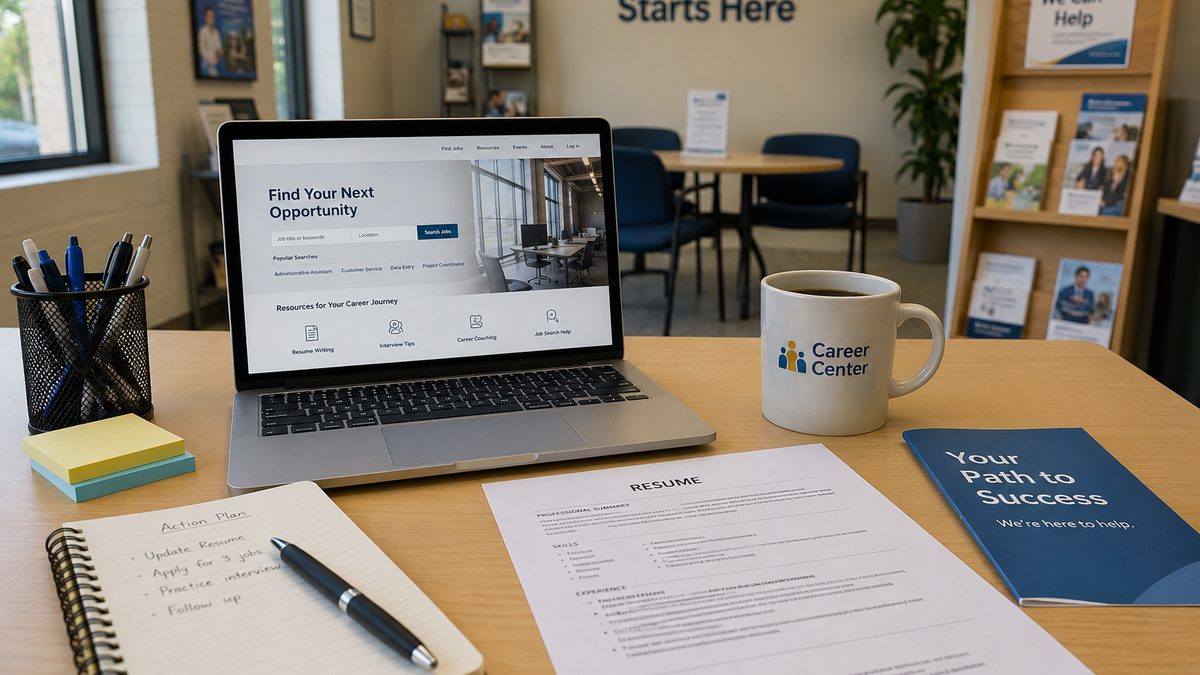
Weekly unemployment claims rose in the latest federal report, offering an early but limited signal for workers, employers and households watching the job market.

Small Business Owners Are Still Watching Inflation, Hiring and Customer Demand
New business applications rose in April, but projected formations slipped and recent survey coverage points to continued caution around costs, hiring and customer demand.

Jobless Claims Tick Up While Layoffs Remain Low
Weekly unemployment claims rose modestly, but the latest data does not yet point to a broad layoff wave.

AI Is Changing Hiring Demand, but Layoff Headlines Tell Only Part of the Story
Recent research suggests AI may be reshaping hiring and job tasks, while a slower labor market makes the picture more complicated for workers and job seekers.
Low Layoffs Mask a Slower Hiring Market for Workers
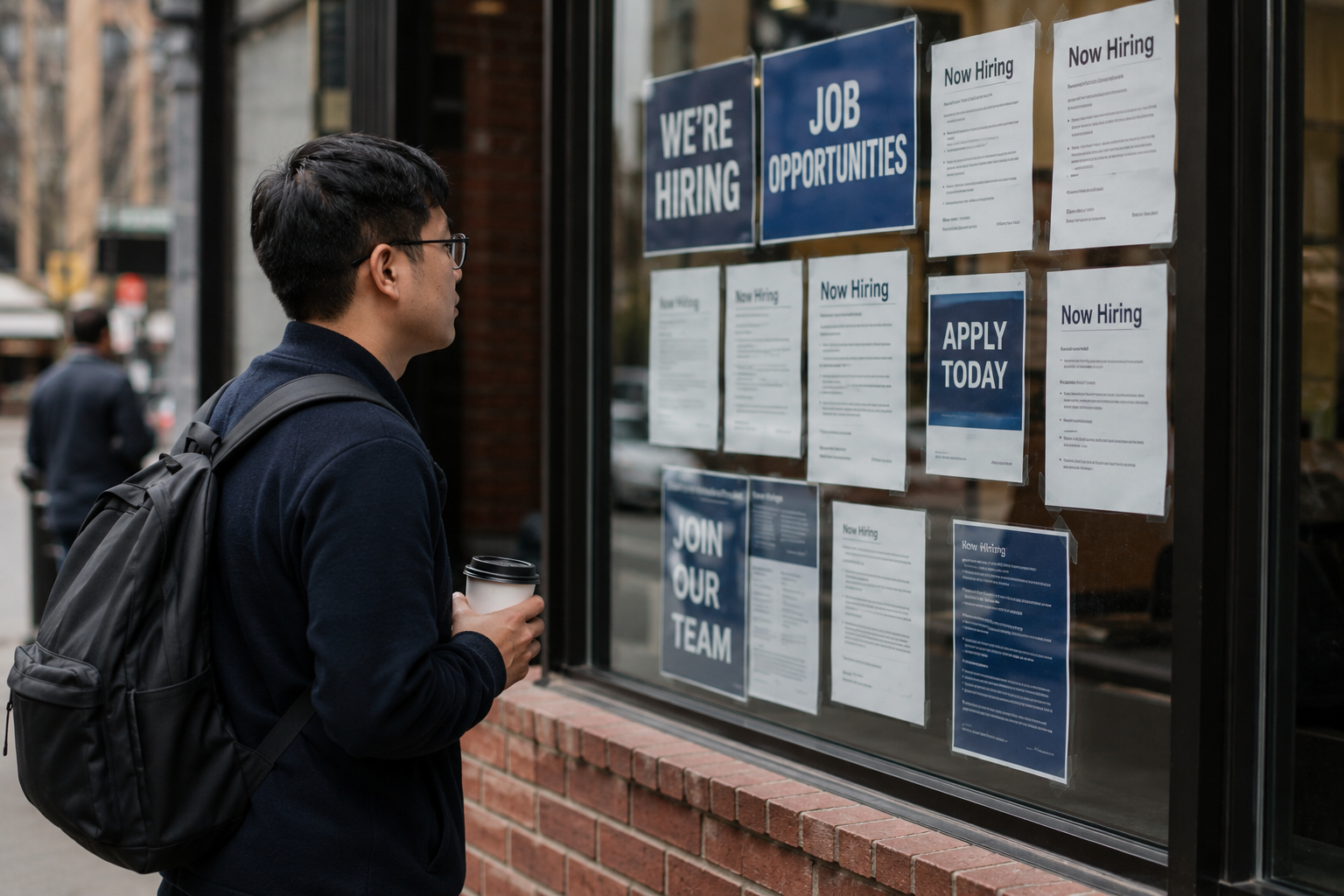
Jobless claims remain low, but slower hiring can still make the labor market feel difficult for workers trying to move, negotiate or find a new role.

Retiring Boomers Are Becoming a Labor Supply Problem
An aging workforce is becoming a structural challenge for employers, shaping hiring, wages, productivity, services, and long-term economic growth.

Intuit Cuts Show Strong Earnings Do Not Always Protect Jobs
Intuit’s reported workforce reduction shows how profitable software companies can still cut jobs while shifting priorities, streamlining operations and responding to new pressures.

Jobless Claims Rose, but the Labor Market Still Looks Slow-Moving
Weekly jobless claims rose to 211,000, but layoffs remained relatively low, pointing to a labor market that has cooled without showing a sharp break.

New Wage Data Shows the Scale of Construction Jobs in the U.S. Labor Market
New BLS occupational wage data shows construction and extraction work remained a large part of the U.S. labor market, with 6.4 million jobs and an annual mean wage of $65,360.