Real Wages Slipped Again, and Families Can Feel It
A paycheck can rise on paper and still lose ground if prices rise faster, which is why real wages matter for household budgets.
Save Article

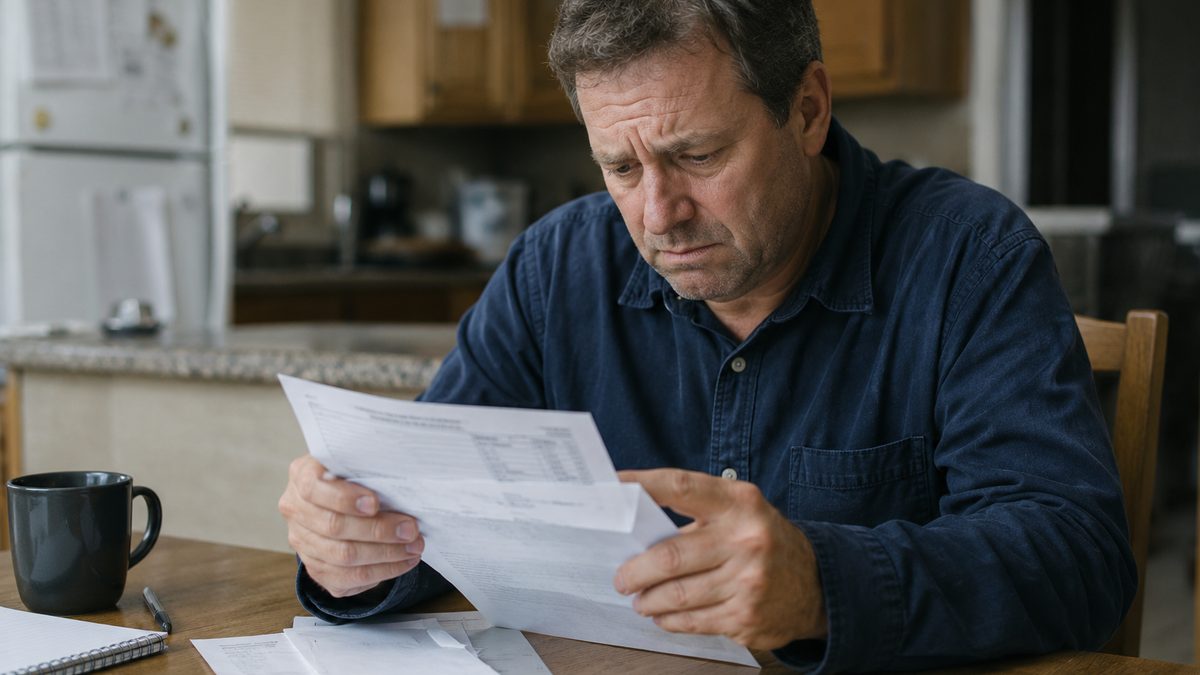
Real wages measure whether paychecks are keeping up with prices families face every month. Editorial illustration by TheDailyGlobe.
Key Facts
- The Bureau of Labor Statistics publishes a Real Earnings Summary that tracks inflation-adjusted earnings.
- BLS also publishes the Consumer Price Index, which tracks price changes for consumer goods and services.
- Real wages measure paycheck buying power after accounting for inflation.
- A paycheck can rise in dollar terms while buying less if prices rise faster.
- The data does not mean every worker or household is affected the same way.
A raise does not always feel like a raise at the grocery store. A worker may see a little more money in a paycheck and still feel behind after rent, gas, food, insurance and utilities are paid.
That is the basic idea behind real wages. The number on a paycheck matters, but so does what that paycheck can buy. When prices rise faster than earnings, workers can lose ground even if their pay is technically higher than it used to be.
The Bureau of Labor Statistics tracks that pressure through its Real Earnings Summary, while its Consumer Price Index measures changes in prices for major household categories. Together, the reports help explain why many families judge the economy less by wage headlines and more by what is left after the bills clear.
Why Real Wages Matter More Than the Paycheck Number
Most people do not experience their income as an economic chart. They experience it at the checkout line, the gas pump, the rent portal and the kitchen table.
That is why real wages matter. A worker may earn more per hour than last year, but if groceries, rent, car insurance, electricity or child care take a bigger bite, the raise can disappear quickly. The paycheck number may be higher while the family’s room to breathe is smaller.
This is also why workers can hear that pay is rising and still feel frustrated. Both things can be true. Wages can increase, and families can still feel squeezed if the cost of daily life moves faster than earnings. Real wage data helps separate the paycheck number from the paycheck’s buying power.
What BLS Data Can Tell Us
The BLS Real Earnings Summary is designed to show how earnings look after adjusting for inflation. That makes it different from a regular wage number. It asks a practical question: once prices are counted, are workers actually gaining purchasing power or losing it?
The Consumer Price Index gives the inflation side of that question. CPI tracks prices across categories such as food, shelter, fuels, transportation, medical care and other consumer costs. Those categories are not abstract for families. They are the monthly bills and weekly purchases that decide whether a raise feels real.
Used together, the reports help explain the gap between economic data and household experience. A worker may not know the official CPI number, but the family knows whether the same paycheck covers the same cart of groceries, the same tank of gas and the same rent payment.
Families Do Not Feel Averages Equally
Real wage data is useful, but it does not describe every worker’s life in the same way. Some workers may see pay gains that beat inflation. Others may see paychecks fall behind. Some households are hit harder because they spend more of their income on categories that have been especially expensive.
A renter facing a renewal, a commuter with a long drive, a parent paying for child care and a worker carrying medical bills may all feel inflation differently. The same national data can land very differently depending on income, family size, location, job type, debt, transportation needs and housing situation.
That is why it would be too simple to say every worker is losing ground in the same way. The better conclusion is narrower and more useful: real wage data helps show whether paychecks, on average, are keeping up with prices. It does not replace the household math each family has to do for itself.
The Paycheck Pressure Behind the Numbers
For lower-middle-income families, losing even a little buying power can change the month. A family may delay a repair, put less into savings, use a credit card for groceries, skip a trip, reduce extras for children or postpone a medical appointment. Those choices may not show up neatly in a wage report, but they are part of how people experience falling purchasing power.
The pressure also affects work decisions. A worker may look for overtime, a second job, gig work, a higher-paying position or a side business because the regular paycheck no longer stretches as far. That does not mean every worker has those options. It means real wages are tied directly to the choices people make about work and family life.
Small businesses feel the issue from both sides. Their workers need pay that keeps up with life, while owners may be dealing with their own higher costs for rent, supplies, insurance, utilities and borrowing. When paychecks lose buying power, Main Street feels it in hiring, spending and customer behavior.
What Remains Unclear
The biggest question is whether real wages will recover enough to make families feel relief in ordinary monthly budgets. That depends on both sides of the equation: what happens to pay and what happens to prices.
It also remains unclear how evenly any improvement would spread. Wage gains can differ by industry, region, occupation and worker experience. Inflation also affects households differently depending on what they buy most often and which bills dominate the budget.
The available BLS data can show the broad movement in earnings and prices, but it cannot say whether every worker feels better or worse. It also cannot capture every tradeoff families make when a paycheck stops covering as much as it used to.
What to Watch Next
The next useful signals will come from future BLS real earnings reports and CPI updates. Together, they will show whether paychecks are regaining buying power or whether prices continue to eat into wage gains.
For families, the idea is simple enough without the jargon: the question is not only how much a paycheck says. It is how much life that paycheck can cover.
That is why real wages matter. They put a name on what many households already feel: a raise only feels like progress when it keeps up with the bills waiting at home.
Reporting note: Reporting draws on Bureau of Labor Statistics real earnings data, Consumer Price Index materials, official labor data, and reviewed household budget context. This article was produced with AI-assisted research and reviewed by an editor before publication.