The Trades Shortage Is No Longer a Future Problem
Employers across construction, utilities, manufacturing, and maintenance say finding skilled workers has become one of their biggest challenges as experienced tradespeople retire faster than new workers enter the field.
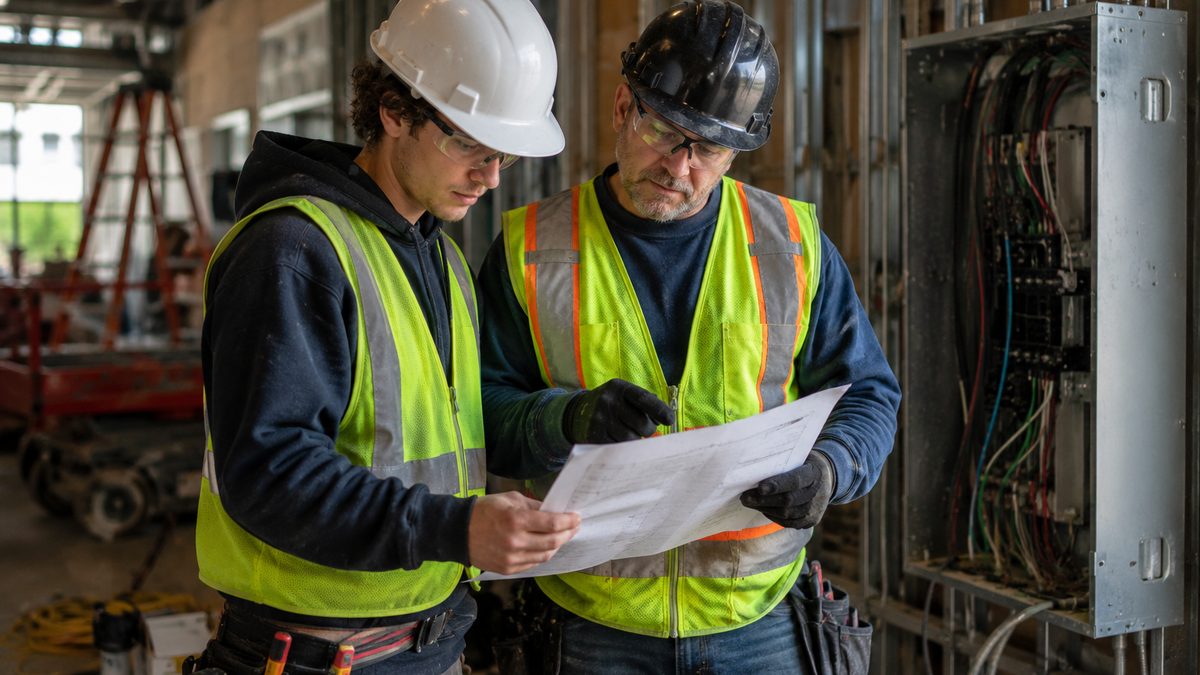
Many industries are competing for the same pool of skilled trades workers as experienced employees retire. Editorial illustration by TheDailyGlobe.
Key Facts
- Employers across multiple industries report ongoing shortages of skilled trades workers.
- Many experienced workers are reaching retirement age and leaving the workforce.
- Electricians, HVAC technicians, welders, mechanics, and utility linemen are among the occupations frequently cited as hard to fill.
- Workforce organizations and employers are expanding apprenticeship and training programs.
- Many trades offer earnings that can compete with or exceed some four-year-degree career paths.
For years, workforce experts warned that a shortage of skilled trades workers was coming. For many employers, that future has already arrived.
Construction companies, electric utilities, manufacturers, transportation providers, and local governments are increasingly competing for electricians, HVAC technicians, linemen, welders, mechanics, and other skilled workers. As older workers retire and demand for infrastructure and construction projects continues, many employers say finding qualified people has become one of their most difficult business challenges.
The issue matters well beyond individual companies. Skilled trades workers help keep power flowing, repair critical infrastructure, build homes, maintain factories, and support local economies. When positions remain vacant, projects can take longer, costs can rise, and communities may feel the effects.
Why the Shortage Is Happening
Several factors are contributing to the labor shortage at the same time. One of the most commonly cited challenges is demographics. Many workers who entered the trades decades ago are now approaching retirement age or have already left the workforce.
At the same time, employers and workforce organizations have spent years expressing concern that fewer young people are entering certain trades. For decades, many students were encouraged to view four-year college degrees as the primary path to career success, while vocational programs and trade education often received less attention.
The result is a gap that can take years to fill. Skilled trades generally require hands-on training, apprenticeships, certifications, or specialized experience that cannot be developed overnight.
The Jobs Employers Mention Most Often
While shortages vary by region, several occupations appear repeatedly in workforce reports and industry surveys. Electricians remain in high demand as construction projects, industrial facilities, and power systems require ongoing maintenance and expansion.
HVAC technicians continue to be sought after because homes, businesses, schools, and hospitals depend on heating and cooling systems that require installation and repair. Utility companies have also highlighted concerns about replacing retiring lineworkers who maintain electrical infrastructure.
Welders and mechanics remain essential across manufacturing, transportation, energy, and construction sectors. In many communities, employers report that qualified applicants often have multiple job opportunities available at the same time.
What the Pay Picture Looks Like
One reason interest in the trades has grown in recent years is that many occupations offer solid earnings without requiring a traditional four-year college degree. Actual wages vary by location, experience level, certifications, and employer, but many skilled trades positions can provide middle-class incomes and opportunities for advancement.
Experienced electricians, HVAC technicians, linemen, and specialized industrial workers often earn significantly more than entry-level positions. Some trades also provide overtime opportunities, union benefits, pension plans, or employer-sponsored training programs.
That does not mean every trade job is easy or highly paid. Many involve physically demanding work, outdoor conditions, shift schedules, or safety risks. Still, workforce experts increasingly point to skilled trades as one of several viable alternatives to traditional office-based career paths.
How Employers Are Responding
Many employers have expanded recruiting efforts, apprenticeship programs, partnerships with technical schools, and workforce development initiatives. Industry groups have also increased outreach to high school students and career changers in an effort to build larger talent pipelines.
Utilities, construction firms, and manufacturers often face a similar challenge: they are competing for many of the same workers. A qualified electrician or mechanic may have opportunities in multiple industries at once, giving workers more choices about where they want to build a career.
Some employers have responded by increasing pay, improving training opportunities, or offering clearer advancement paths in hopes of attracting and retaining talent.
What Workers and Families Should Watch
The shortage is creating opportunities as well as challenges. For students considering career options, adults seeking a career change, and parents helping children plan for the future, the trades are receiving renewed attention from employers and workforce planners.
What remains unclear is how quickly training programs can produce enough new workers to meet demand. It is also uncertain whether labor shortages will ease as economic conditions change or whether retirements will continue outpacing new entrants into the workforce.
For now, the evidence points in one direction: the shortage of skilled trades workers is no longer a problem employers are preparing for. It is a problem many are already dealing with today, and one that could influence everything from construction timelines to infrastructure maintenance for years to come.
Reporting note: Reporting draws on workforce data from the Bureau of Labor Statistics, Associated Builders and Contractors, National Center for Construction Education and Research materials, utility industry workforce reports, and reviewed background materials. This article was produced with AI-assisted research and reviewed by an editor before publication.