New River Study Shows How Warming Can Quietly Stress Freshwater Ecosystems
A new study found widespread oxygen loss in analyzed rivers worldwide, adding a hidden freshwater warning signal as warming puts more pressure on ecosystems.
Save Article
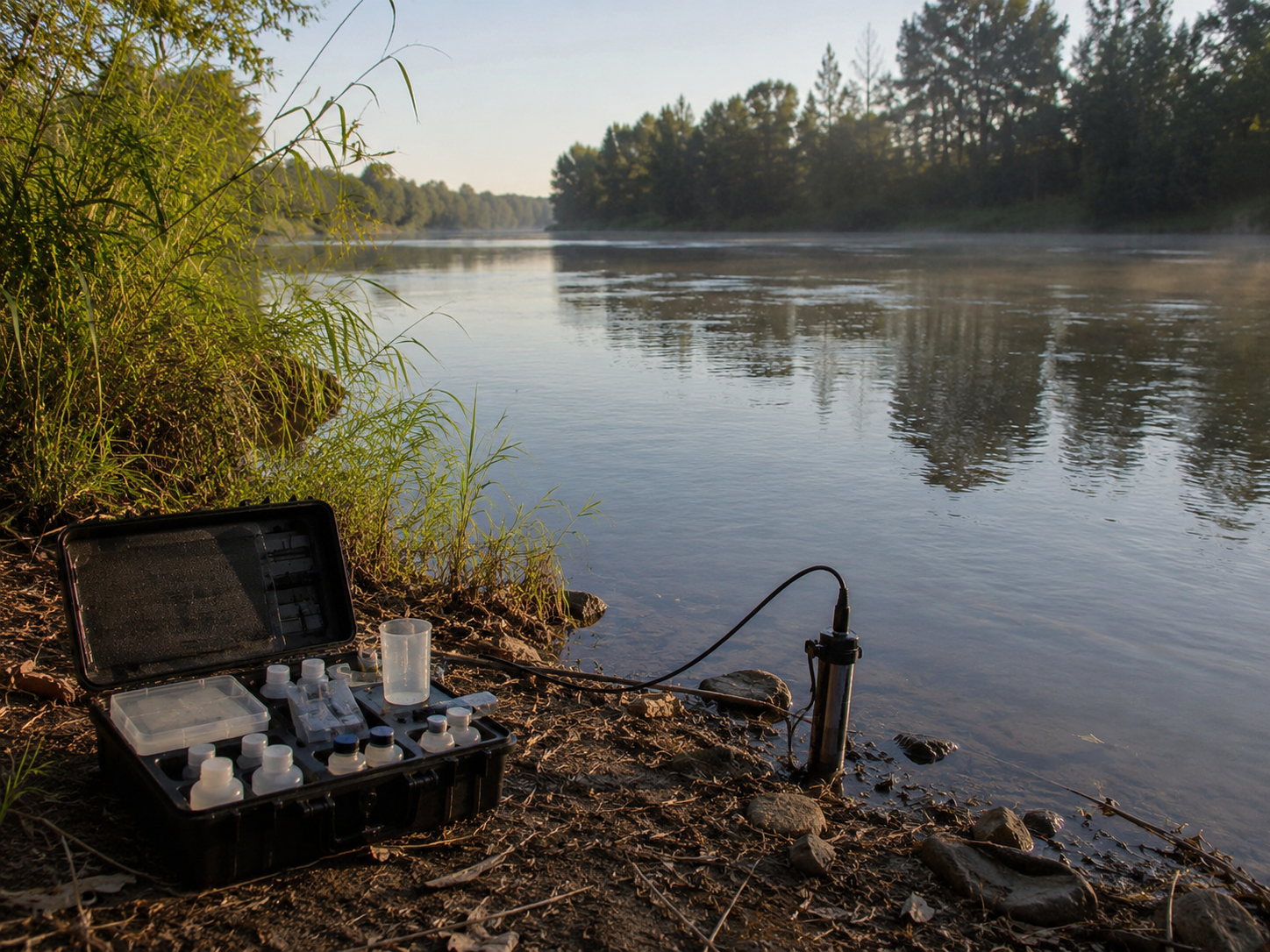
River health often depends on invisible measurements, including how much oxygen remains in the water. Editorial illustration by TheDailyGlobe.
Key Facts
- A Science Advances study reported sustained deoxygenation in global rivers.
- The study found 78.8% of analyzed rivers experienced oxygen decline.
- The study estimated a global deoxygenation rate of -0.045 milligrams per liter per decade.
- The authors identified oxygen solubility and temperature as major drivers, with heatwaves and dam impoundment also influencing changes.
- Tropical rivers were described as especially vulnerable.
Rivers need oxygen too. Not in the same way people breathe air, but in a way that matters deeply for fish, insects, plants, microbes and the wider freshwater systems that communities depend on.
A new Science Advances study points to a quiet problem in many rivers: falling dissolved oxygen. The study reported sustained deoxygenation across global flowing waters under climate warming, finding oxygen decline in 78.8% of analyzed rivers.
What Dissolved Oxygen Means
Dissolved oxygen is the oxygen mixed into water. Fish and many other aquatic organisms rely on it to survive. When oxygen levels fall too low, river life can become stressed, less resilient or unable to survive in affected areas.
That makes oxygen a basic water-health signal. A river can look calm from the bank while still changing chemically in ways that affect what can live in it.
The study's finding does not mean every river is facing the same level of stress or that every local waterway has been directly measured in the same way. It does suggest that warming is adding pressure to freshwater systems on a large scale.
What The Study Found
The peer-reviewed study used large-scale analysis and modeling to examine oxygen trends in flowing waters. Researchers reported that 78.8% of analyzed rivers experienced deoxygenation and estimated a global decline rate of -0.045 milligrams per liter per decade.
The authors pointed to temperature and oxygen solubility as major drivers. In plain English, warmer water generally holds less oxygen. That can make heat an indirect stressor for rivers, even without a visible pollution spill or dramatic change at the surface.
The study also identified heatwaves and dam impoundment as factors influencing oxygen changes. Tropical rivers were described as especially vulnerable, though local conditions still matter.
Why Warming Can Stress River Life
Freshwater ecosystems are shaped by many things at once: temperature, flow, land use, pollution, dams, rainfall and management decisions. Oxygen loss adds another way to understand how those pressures can affect fish, biodiversity and water quality.
When oxygen drops, some species may struggle more than others. That can change food webs, weaken habitats and make rivers less able to handle additional stress from drought, heatwaves or pollution.
For communities, the concern is not only ecological. Rivers support recreation, fisheries, drinking-water systems, agriculture and local identity. A change in river oxygen can be part of a larger warning that a freshwater system needs closer monitoring.
What The Numbers Do Not Show
Large global studies help show patterns, but they do not replace local monitoring. A river's oxygen level can depend on local temperature, flow, pollution, algae, dams, shade, rainfall and restoration work.
That means readers should not assume the same trend, cause or severity applies to every nearby river. Local water agencies and environmental monitors still matter because they can measure what is happening in specific waterways.
The study is best read as a warning signal, not a final diagnosis for every river. It shows that warming can quietly affect freshwater health, but it does not answer every river-by-river question.
What To Watch Next
The next useful work will come from follow-up studies, local water-quality monitoring, dam and heatwave research, and river restoration projects that test which management steps reduce oxygen loss.
For readers, the practical takeaway is simple: river health is not always visible. Oxygen levels, temperature and flow can tell a deeper story about whether freshwater ecosystems are holding up under warming pressure.
The study does not call for panic. It does make one point hard to ignore: as the climate warms, the health of rivers may depend on measurements most people never see.
Reporting note: Reporting draws on peer-reviewed environmental research, institutional research summaries, science reporting, and reviewed freshwater ecosystem context. This article was produced with AI-assisted research and reviewed by an editor before publication.