A Pandemic Wildlife Study Suggests Animals Respond to People in More Complicated Ways Than Many Expected
Researchers used animal tracking data and human mobility patterns from the pandemic era to examine how wildlife responded when people changed their daily routines.
Save Article
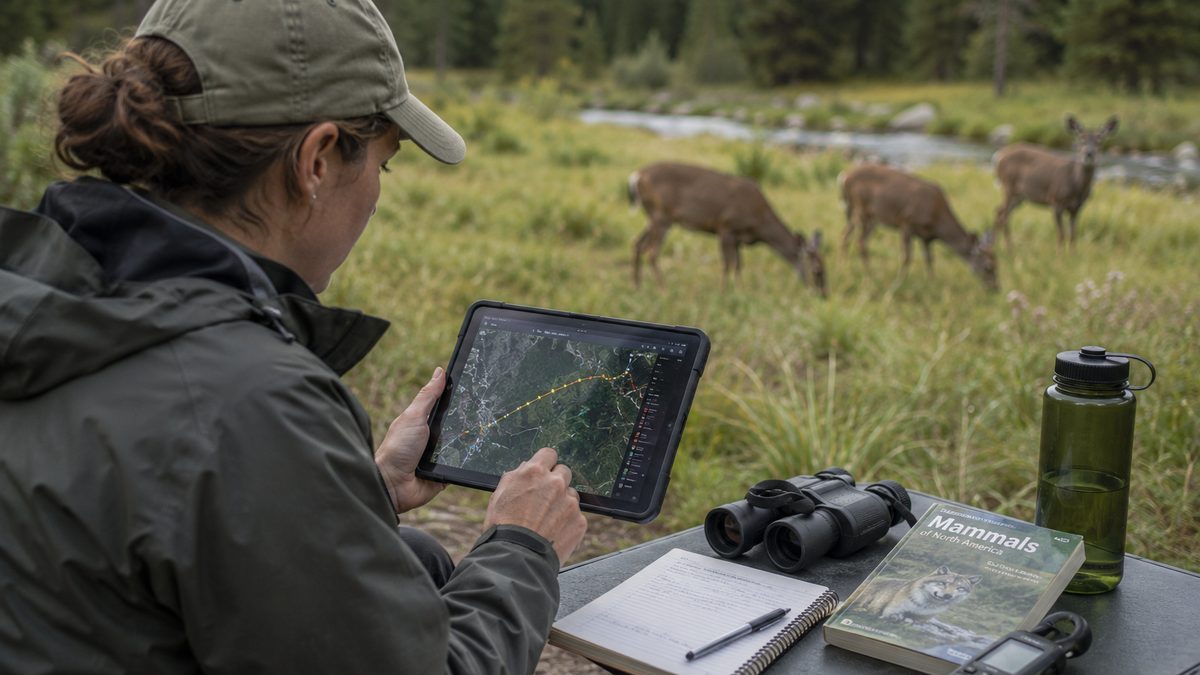
Tracking data can show how animals change their behavior when human movement patterns shift. Editorial illustration by TheDailyGlobe.
Key Facts
- Researchers paired animal GPS tracking data with measures of human mobility.
- The study examined multiple wildlife species rather than focusing on a single animal.
- Animal responses differed across species and environments.
- Researchers found that changes in human movement can influence wildlife behavior.
- The findings do not support a single universal rule for how all animals respond to people.
One of the most memorable stories of the pandemic involved wildlife. As roads emptied, travel slowed, and daily routines changed, reports emerged suggesting animals were reclaiming spaces usually dominated by people.
The reality, according to new research, appears to be more interesting than that simple narrative. Scientists examining animal movements during the pandemic found that wildlife did notice changes in human activity, but different species responded in different ways depending on where they lived and how they interacted with people.
The findings offer a rare look at how animals respond when human behavior shifts on a large scale, helping researchers better understand how people and wildlife share the same landscapes.
A Natural Experiment Few Scientists Expected
Researchers rarely get the opportunity to observe what happens when human movement patterns change dramatically across large regions. The pandemic unexpectedly created that opportunity.
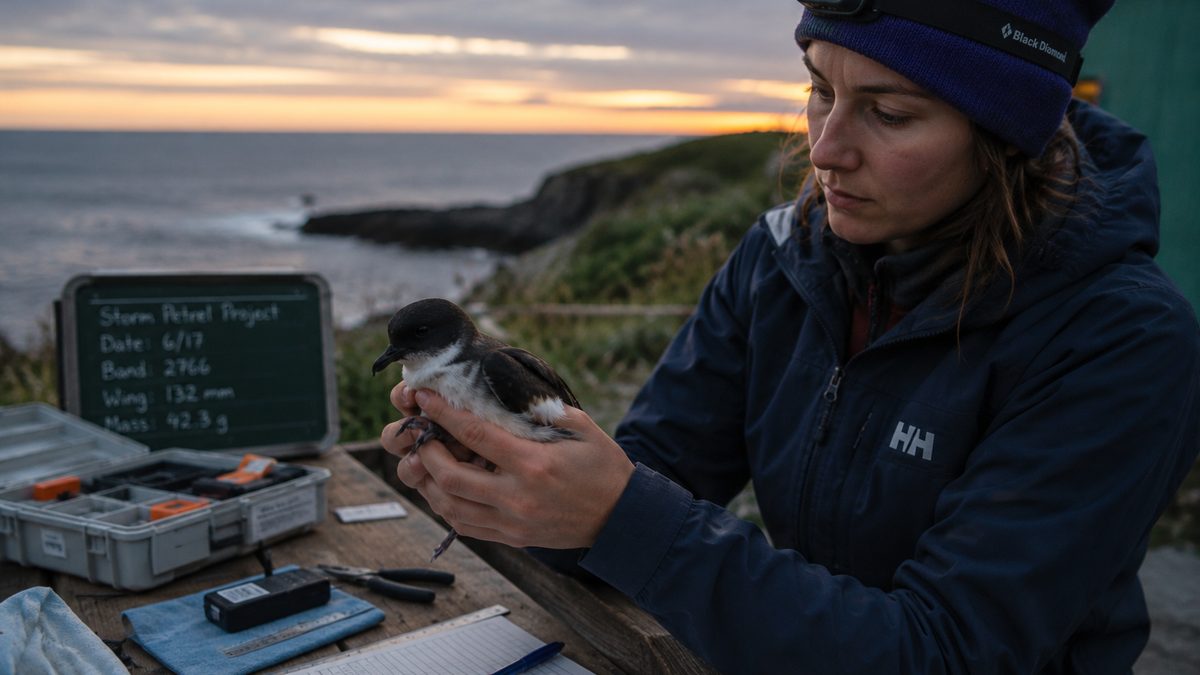
Instead of relying solely on observations from parks or isolated study sites, researchers combined data from GPS-collared animals with information showing how human movement changed during lockdowns and other pandemic-related disruptions.
That allowed scientists to compare wildlife behavior before, during, and after shifts in human activity, creating one of the clearest opportunities yet to study how animals react to people in the real world.
Animals Did Not All React the Same Way
One of the study's most important findings is that wildlife responses were highly variable. Some species appeared to alter their movements when human activity changed. Others showed more limited responses, and the effects often depended on the surrounding landscape.
That complexity challenges the popular idea that fewer people automatically means better outcomes for all wildlife. The relationship between animals and humans is often shaped by habitat, food sources, local geography, and the behavior of individual species.
In other words, animals were not responding to a single event in a single way. They were responding to a changing environment that affected different species differently.
Why Human Presence Matters
Conservation discussions often focus on visible features such as roads, buildings, fences, and development. Those factors remain important, but the study suggests that direct human presence can also influence how wildlife uses a landscape.
Understanding that distinction may help researchers and land managers think more carefully about how people and wildlife coexist. A trail, road, or open space may affect animals differently depending on how often people are actually using it.
For communities located near parks, forests, grasslands, or other wildlife habitats, that insight could eventually help inform decisions about recreation, conservation, and land use.
What the Research Does Not Show
The findings should not be interpreted as proof that wildlife universally benefits whenever human activity decreases. Researchers caution against drawing broad conclusions from a single pattern because responses varied across species and locations.
The study also does not establish a one-size-fits-all conservation solution. What works in one ecosystem may not work in another, and a strategy that benefits one species may have little effect on another.
Those limitations are important because wildlife management decisions often require balancing ecological needs with recreation, transportation, housing, and other human activities.
What Researchers Want to Learn Next
Scientists still have questions about how broadly these findings apply. It remains unclear how species that were not included in the study might respond under similar circumstances, and researchers continue to examine which conservation approaches are most effective in different environments.
What the research does make clear is that the relationship between people and wildlife is more nuanced than many headlines suggested during the pandemic. Animals noticed changes in human behavior, but they did not all react the same way.
That insight may ultimately be the study's most useful lesson. Understanding coexistence begins not with assuming all species behave alike, but with recognizing that wildlife, much like people, responds differently to the world around it.
Reporting note: Reporting draws on research institution materials, wildlife tracking studies, scientific reporting, and reviewed background materials. This article was produced with AI-assisted research and reviewed by an editor before publication.