NASA Materials Study Tests a New Way to Handle Molten Moon Dust
NASA researchers are testing materials that could survive molten lunar dust, an early step toward future Moon resource work.
Save Article
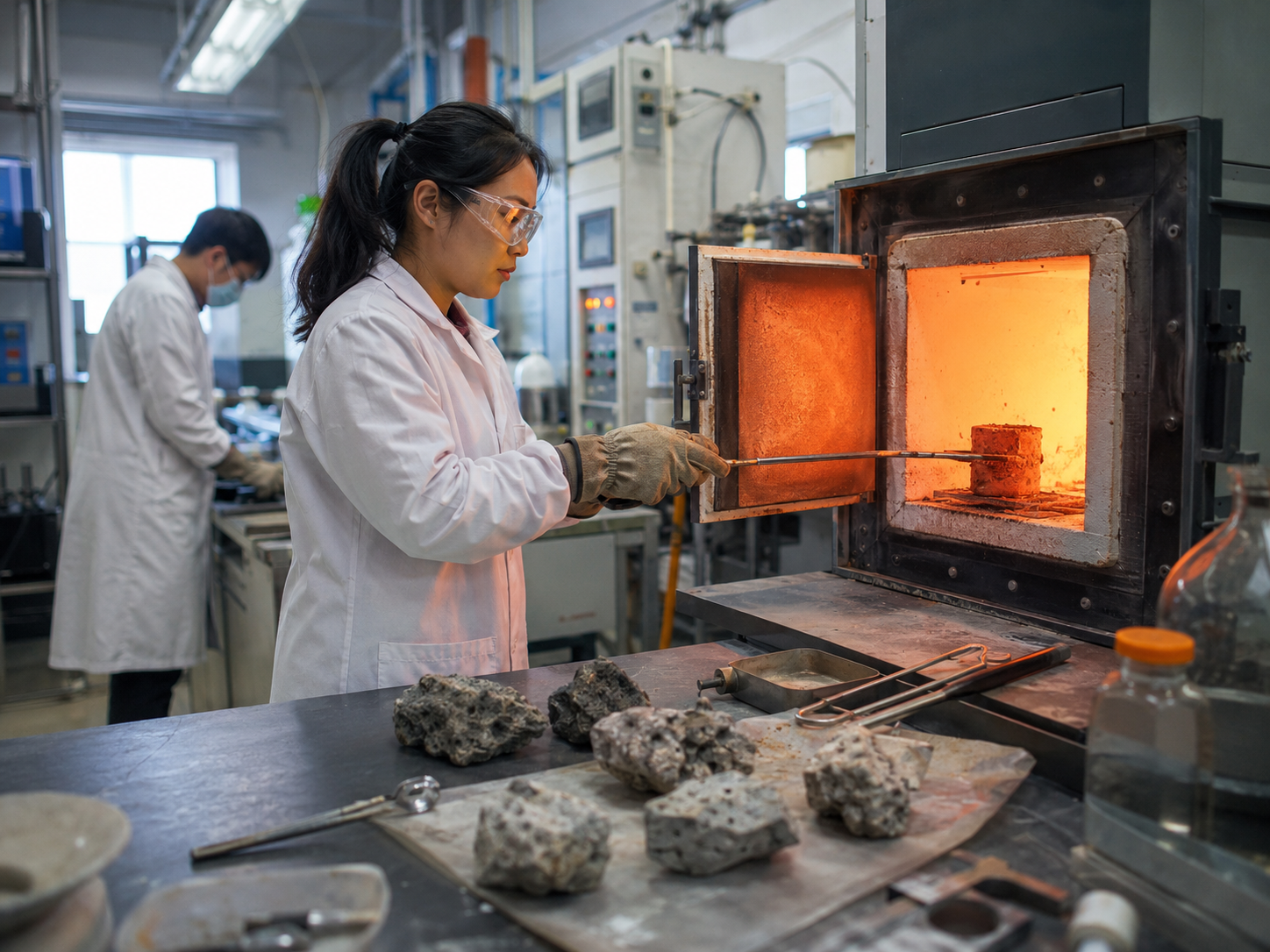
NASA researchers are testing materials that could survive molten lunar dust, an early step toward future Moon resource work. Editorial illustration by TheDailyGlobe.
NASA researchers are testing a material that could help future missions handle molten lunar dust, a small-sounding engineering problem with a large role in any long-term plan to work on the Moon.
NASA said researchers at Glenn Research Center discovered and tested a material that could help contain or handle molten lunar material. The work relates to future efforts to extract useful resources, including metals and oxygen, from Moon rocks.
The research is not a working Moon-mining system. It is early-stage materials testing, using simulated lunar dust and high-temperature furnace work to study how equipment might survive conditions involved in melting lunar regolith.
Why Moon Dust Is Hard to Work With
Lunar regolith is not just ordinary dirt. It is dusty, abrasive and chemically challenging, and it becomes even harder to handle when heated to very high temperatures. Any system designed to melt Moon rocks would need materials that can tolerate heat and resist damage over time.
That matters because future lunar operations may depend on using local materials instead of bringing everything from Earth. ESA background materials have described lunar regolith as containing oxygen by weight and as a possible resource for future operations.
What NASA Tested
NASA said the Glenn work used simulated lunar dust and high-temperature furnace testing. That kind of lab work helps researchers study how candidate materials behave before anything is considered for use in a real lunar environment.
The point is practical. If future missions try to extract oxygen or metals from lunar material, the equipment will need to survive contact with hot, reactive material without failing too quickly.
What Remains Early
NASA's update does not show that the material is ready for operational use on the Moon. Cost, purity, durability and long-term performance remain areas for future testing.
For readers, the takeaway is that future Moon missions may depend as much on unglamorous materials science as on rockets and landers. Before anyone can rely on lunar resources, engineers have to solve the basic problem of building tools that can survive the Moon's roughest ingredients.
Reporting note: Reporting draws on NASA materials research updates, European Space Agency lunar resource background, Royal Society materials on lunar dust concerns, and reviewed science context. This article was produced with AI-assisted research and reviewed by an editor before publication.