NASA's Fire Sensor Shows How Simple Tools Can Help Firefighters Stay Safer
NASA's FireSense project has developed low-cost heat sensors for fire bulldozers, giving operators a clearer warning when nearby flames make conditions dangerous.
Save Article
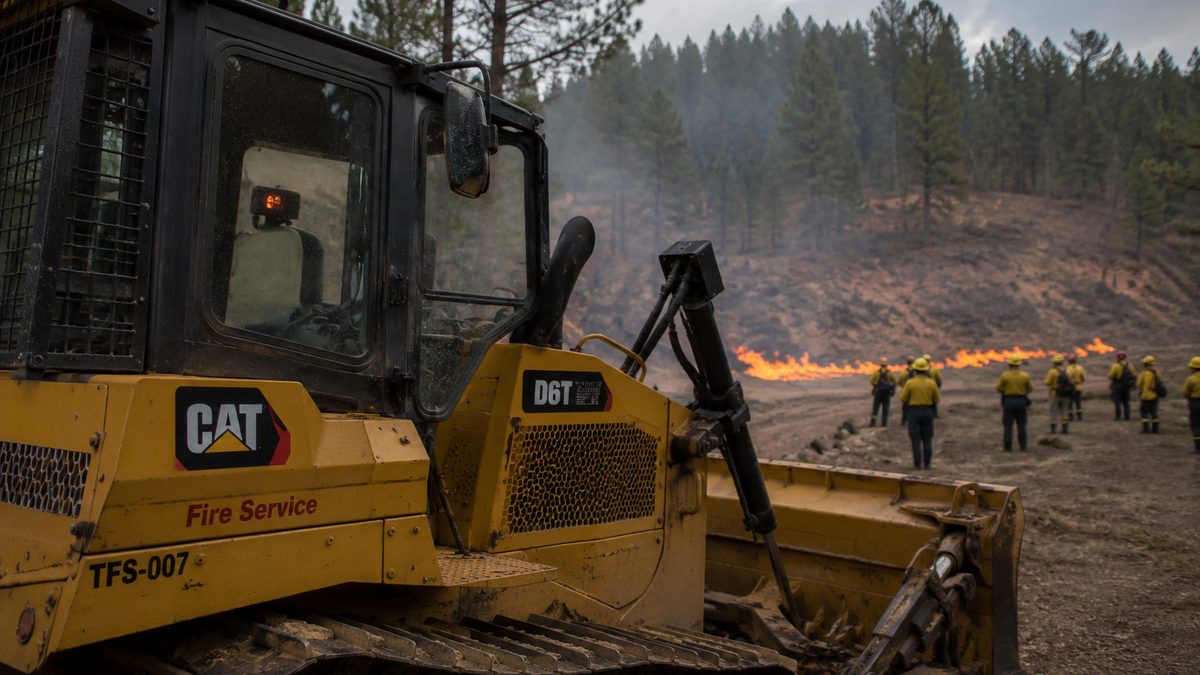
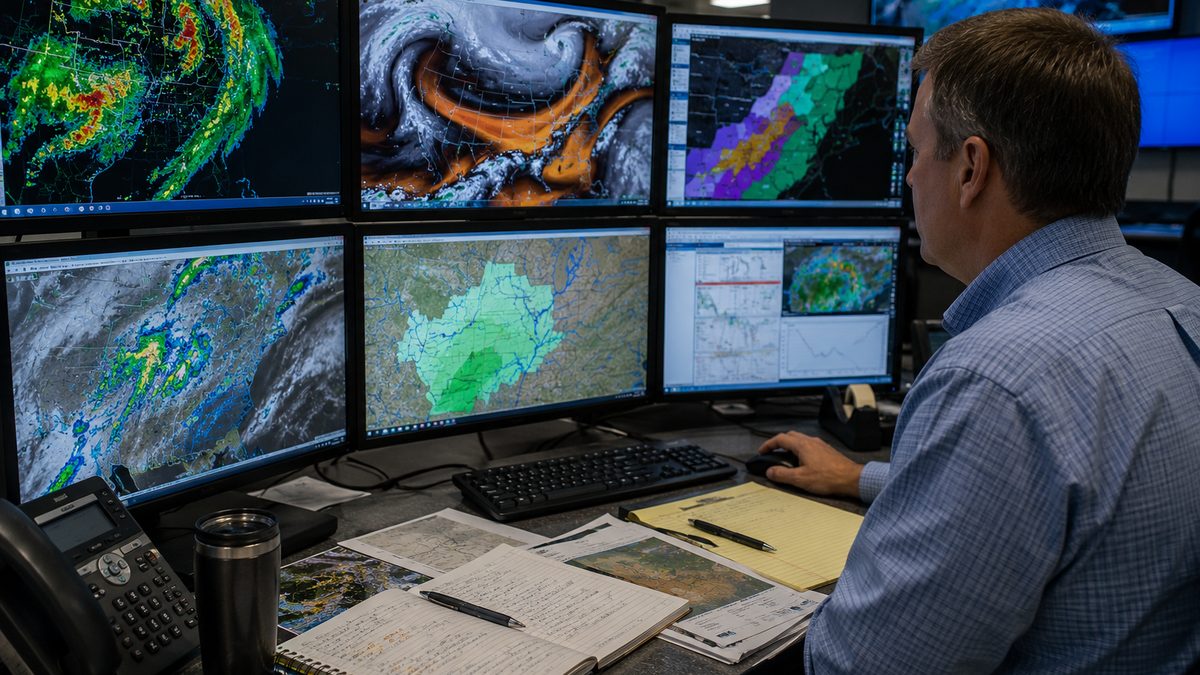
NASA's FireSense project is testing low-cost heat sensors designed to help fire bulldozer operators recognize dangerous radiant heat. Editorial illustration by TheDailyGlobe.
Key Facts
- NASA's FireSense project developed low-cost thermal sensors for fire bulldozers.
- NASA says the sensors alert operators when radiant heat from nearby fire reaches a dangerous level.
- The work is tied to a collaboration with the Alabama Forestry Commission.
- NASA says the sensors can also collect data about fire behavior beneath the canopy.
- University of Maryland researchers participated in a NASA FireSense workshop in Alabama in April 2026.
On a wildfire line, a bulldozer can be both a tool and a warning sign. The machine clears vegetation, cuts fire breaks and helps crews slow a fire's spread. But the operator may be working close enough to flames that heat becomes a danger before it is easy to judge from inside the cab.
NASA's FireSense project is testing a simple answer to that problem: a low-cost thermal sensor that alerts fire bulldozer operators when radiant heat from a nearby fire reaches a dangerous level. The project, developed with the Alabama Forestry Commission, shows a practical side of NASA's wildfire work that goes beyond satellites and maps.
Why Fire Dozers Need Clear Heat Warnings
Fire bulldozers are used to clear brush, trees and other fuel from the path of a wildfire. That work can help create fire breaks, which are open areas meant to slow or stop a fire's movement. It is useful work, but it can place operators close to flames, smoke and fast-changing heat.
NASA's update describes a problem that is easy to understand even without firefighting experience. Some newer bulldozers have enclosed cabs that can better protect operators than open machines. But an enclosed cab can also make it harder for the person inside to judge how much radiant heat is building around the machine.
That matters because heat can threaten both the operator and the equipment. If electrical wiring or other systems are damaged by heat, a dozer can become disabled in a dangerous place. A small warning light may not remove the risk, but it can give the operator one more piece of information at the moment it matters.
How the NASA Sensor Works
The system is deliberately simple. NASA says the sensor uses a commercial thermocouple, a temperature-measuring component also used in devices such as ovens and kilns. The thermocouple is connected to an LED light mounted where the operator can see it.
When the sensor detects an unsafe temperature, the dashboard light begins blinking. NASA says the whole system can run on AA batteries. That low-tech quality is part of what makes the project notable: the value is not in a futuristic-looking device, but in a practical warning that can fit into equipment crews already use.
NASA reported that the Alabama Forestry Commission's requirements were straightforward. The sensor needed to be low-cost and easy to operate. That is the kind of constraint that matters in field work, where technology has to survive heat, dust, rough movement and quick decision-making.
What NASA Learns From the Fire Line
The safety alert is only one part of the project. NASA also says the sensors can help researchers collect data about what happens beneath the forest canopy during a fire. That ground-level information can help add context to what NASA sees from aircraft, satellites and other fire-monitoring tools.
That connection is important because wildfires are not only a response problem. They are also a science problem. Researchers are trying to better understand how fires move, how heat builds, how weather and vegetation affect behavior, and how data can help crews get more useful warnings.
In April 2026, researchers and firefighters gathered in southern Alabama for a NASA FireSense workshop focused on wildfire management. University of Maryland researchers were among the participants. The workshop context shows the project as part of a wider effort to connect science teams, state agencies and fire crews who deal with real conditions on the ground.
What Is Still Unknown
The sensor should not be treated as a proven national wildfire solution. The public information describes a specific collaboration and a pilot-style use case, not a nationwide rollout across firefighting agencies. NASA and partner comments describe encouraging early use, but that is not the same as long-term proof across every region, fire type or agency fleet.
It also remains unclear whether other state or federal firefighting agencies will adopt similar systems. Different terrain, equipment, budgets and fire conditions could affect how useful the sensor is in other places. NASA has not yet published broad performance data from multiple fire seasons.
That caution does not make the project less interesting. It makes the story more grounded. A small dashboard light will not make wildfire work safe by itself. But in a dangerous job where seconds and clear signals matter, simple tools can still be meaningful.
What to Watch Next
The next question is whether this kind of sensor spreads beyond the current collaboration and whether NASA releases more FireSense field data. If the system proves useful across more conditions, it could become part of a larger toolkit for crews working around extreme heat.
For readers, the bigger lesson is plain: science does not always arrive as a dramatic breakthrough. Sometimes it looks like a small, battery-powered warning light on a bulldozer, helping a firefighter know when it is time to back away.
Reporting note: Reporting draws on NASA technology updates, NASA field demonstration materials, university workshop context, and reviewed background materials. This article was produced with AI-assisted research and reviewed by an editor before publication.