NASA Cargo Mission Sends New Space Station Experiments Into Orbit
SpaceX's 34th commercial resupply mission carried science equipment and experiments to the International Space Station, NASA said.
Save Article
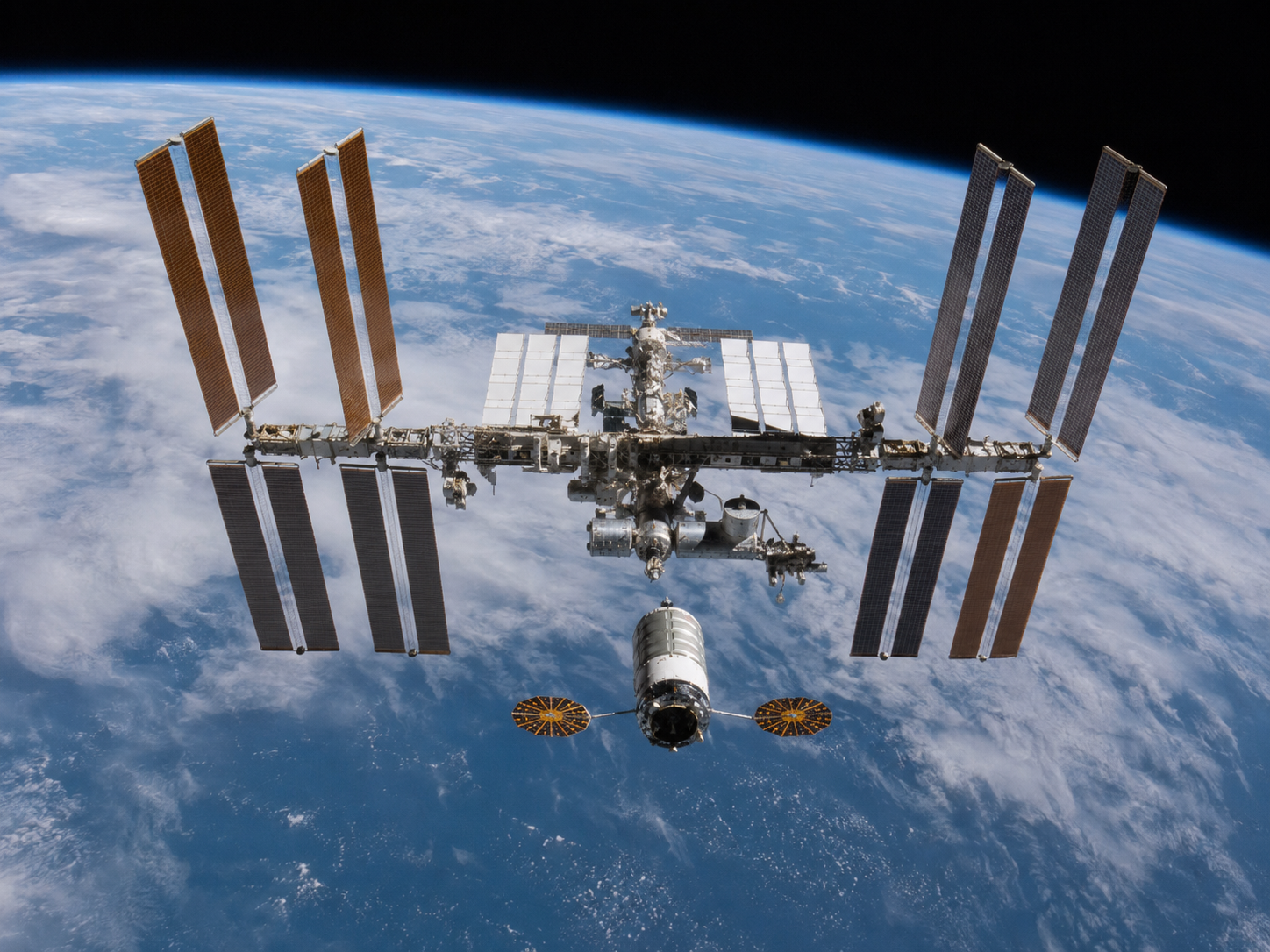
SpaceX's 34th commercial resupply mission carried science equipment and experiments to the International Space Station, NASA said. Editorial illustration by TheDailyGlobe.
NASA says SpaceX's 34th commercial resupply mission launched May 15 carrying about 6,500 pounds of science investigations, supplies and equipment to the International Space Station.
The mission is a reminder that cargo flights to the station are not only about keeping the orbiting laboratory stocked. They also move experiments into space that cannot be tested the same way on Earth.
What the Mission Carried
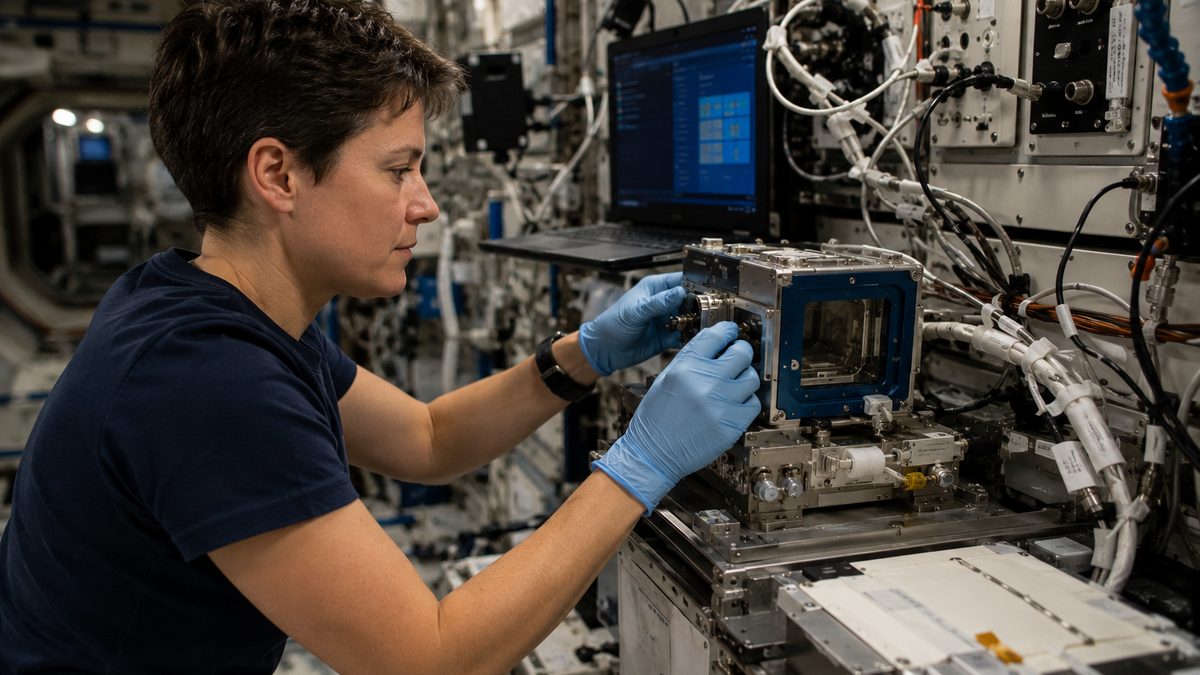
NASA said the cargo included experiments involving microgravity simulator work, a wood-based bone scaffold and equipment to study red blood cells and the spleen in space.
Those are investigations being sent or supported, not completed results. The source material does not show that the experiments have already produced findings.
Among the notable experiments is ODYSSEY, which evaluates how well Earth-based microgravity simulators recreate space conditions by comparing bacterial behavior in space with tests conducted in these simulators. Another experiment, Green Bone, observes how bone cells grow in space on a wood-based scaffold, potentially aiding treatments for osteoporosis.
Why Station Research Still Matters
The space station gives researchers a place to study how living systems, materials and equipment behave in microgravity. That can matter for medicine, future exploration and basic science questions that are difficult to answer in a normal lab.
For readers, the useful point is that a cargo mission can carry more than food, tools and replacement parts. It can also carry small pieces of longer scientific work that may take weeks, months or years to fully understand.
What Happens Next
NASA said the spacecraft was scheduled to remain at the station until mid-June and return with time-sensitive research and cargo.
That return trip is part of the research cycle. Some experiments need to come back to Earth quickly so scientists can examine samples, hardware or biological changes after time in orbit.
The clearest takeaway is that space-station cargo missions may look routine from the outside, but they remain part of the working system that keeps orbital research moving.
As part of this mission, NASA astronaut Jack Hathaway and ESA astronaut Sophie Adenot monitored Dragon's arrival, ensuring the safe unloading of critical research samples. The mission's experiments are expected to contribute to ongoing studies in various fields, including space weather and planetary formation.
Reporting note: Reporting draws on NASA mission releases, International Space Station research materials, SpaceX mission context, and reviewed space research background. This article was produced with AI-assisted research and reviewed by an editor before publication.