New Maize Study Shows Why Nitrogen Efficiency Matters Beyond the Farm
A new Nature study adds detail to how maize handles nitrogen inside plant cells, a technical finding tied to bigger questions about crops, fertilizer and water quality.
Save Article
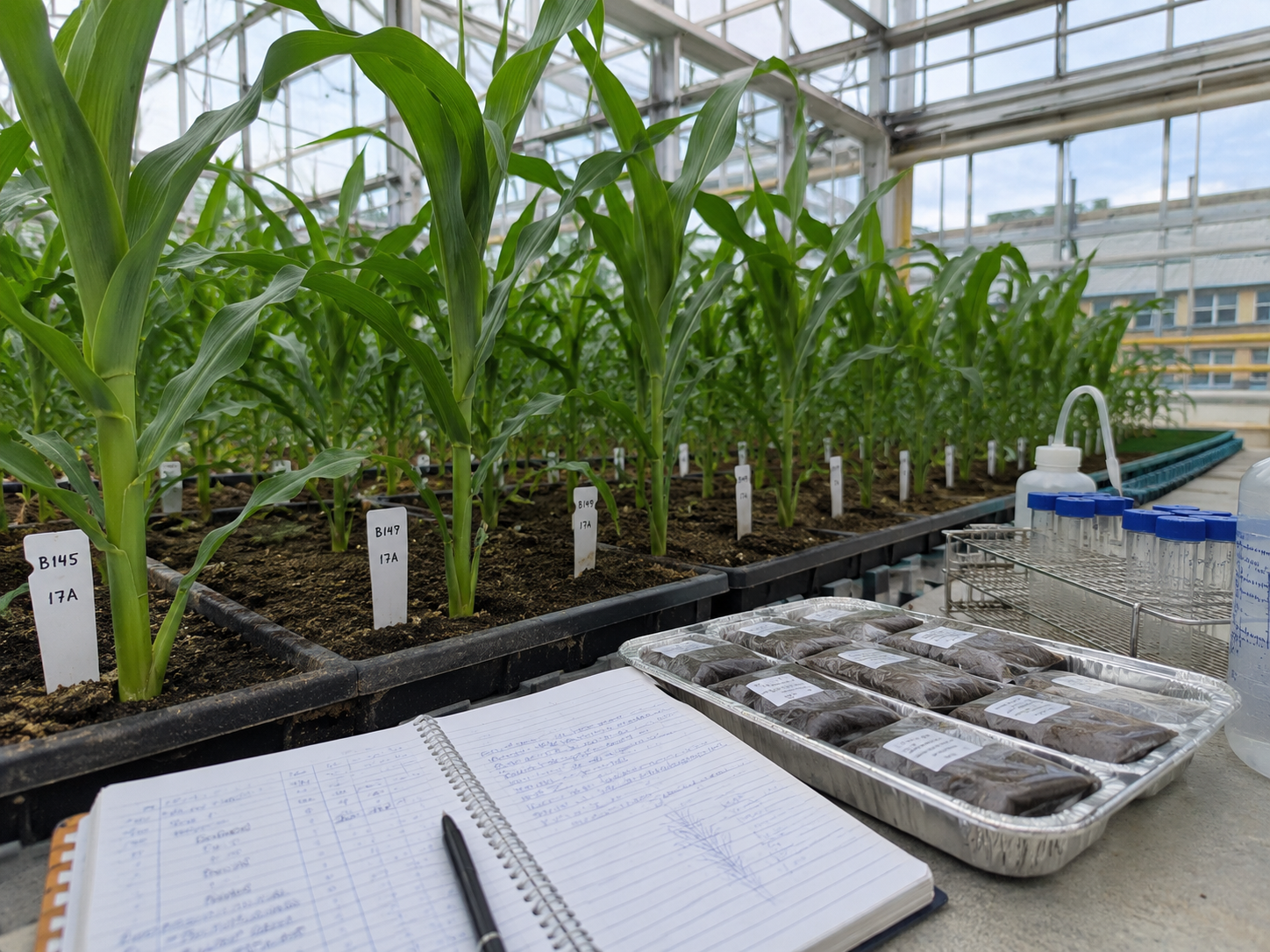
Crop researchers continue studying how maize uses nitrogen, a nutrient tied to food production, fertilizer costs and water quality. Editorial illustration by TheDailyGlobe.
Nitrogen is one of the basic ingredients behind modern food production. Farmers use nitrogen fertilizer to help crops grow, but fertilizer also costs money, and unused nitrogen can contribute to environmental problems when it moves into water systems.
That is why crop scientists keep studying how plants use nitrogen more efficiently. A new Nature research article listed June 3 adds detail to that question in maize, one of the world’s most important crops.
What The Study Adds
The study focuses on plastoglobules and nitrogen assimilation in maize. In plain English, it looks at part of the plant-cell machinery involved in how maize handles nitrogen.
That may sound far removed from farms, grocery stores or water quality. But this is often how crop science moves: first by understanding what is happening inside the plant, then by testing whether that knowledge can eventually help breeders, farmers or researchers improve real-world crop performance.
Why Nitrogen Efficiency Matters
Nitrogen-use efficiency is the idea that a crop can make better use of the nitrogen available to it. In maize, researchers have studied nitrogen efficiency because it connects to yield, fertilizer use, farm costs and environmental pressure.
The practical goal is not simply to grow more corn in a lab. It is to understand whether crops can be developed or managed in ways that use nutrients more effectively while reducing waste. That would matter to farmers paying for fertilizer and to communities concerned about runoff.
What Is Still Unclear
The new finding should be read carefully. A technical plant-cell discovery does not mean farmers will immediately change fertilizer practices or that new maize varieties are ready for the field.
Future research would need to show whether this mechanism can be translated into crop breeding, field practices or measurable improvements under real growing conditions. Soil, weather, crop variety and farm management can all affect how nitrogen behaves outside the lab.
For now, the study adds another piece to a larger crop-science puzzle. It helps explain how maize handles an essential nutrient, while leaving the bigger practical question for future work: whether that knowledge can help food production become more efficient without adding more pressure to land and water.
Reporting note: Reporting draws on peer-reviewed plant biology research, crop nitrogen-use efficiency reviews, agricultural science context, and reviewed background materials. This article was produced with AI-assisted research and reviewed by an editor before publication.