DNA Study Shows Seychelles' Lost Crocodiles Were Long-Distance Ocean Travelers
DNA from museum specimens shows Seychelles' vanished crocodiles were saltwater crocodiles, not a separate species, adding new detail to a lost island population.
Save Article
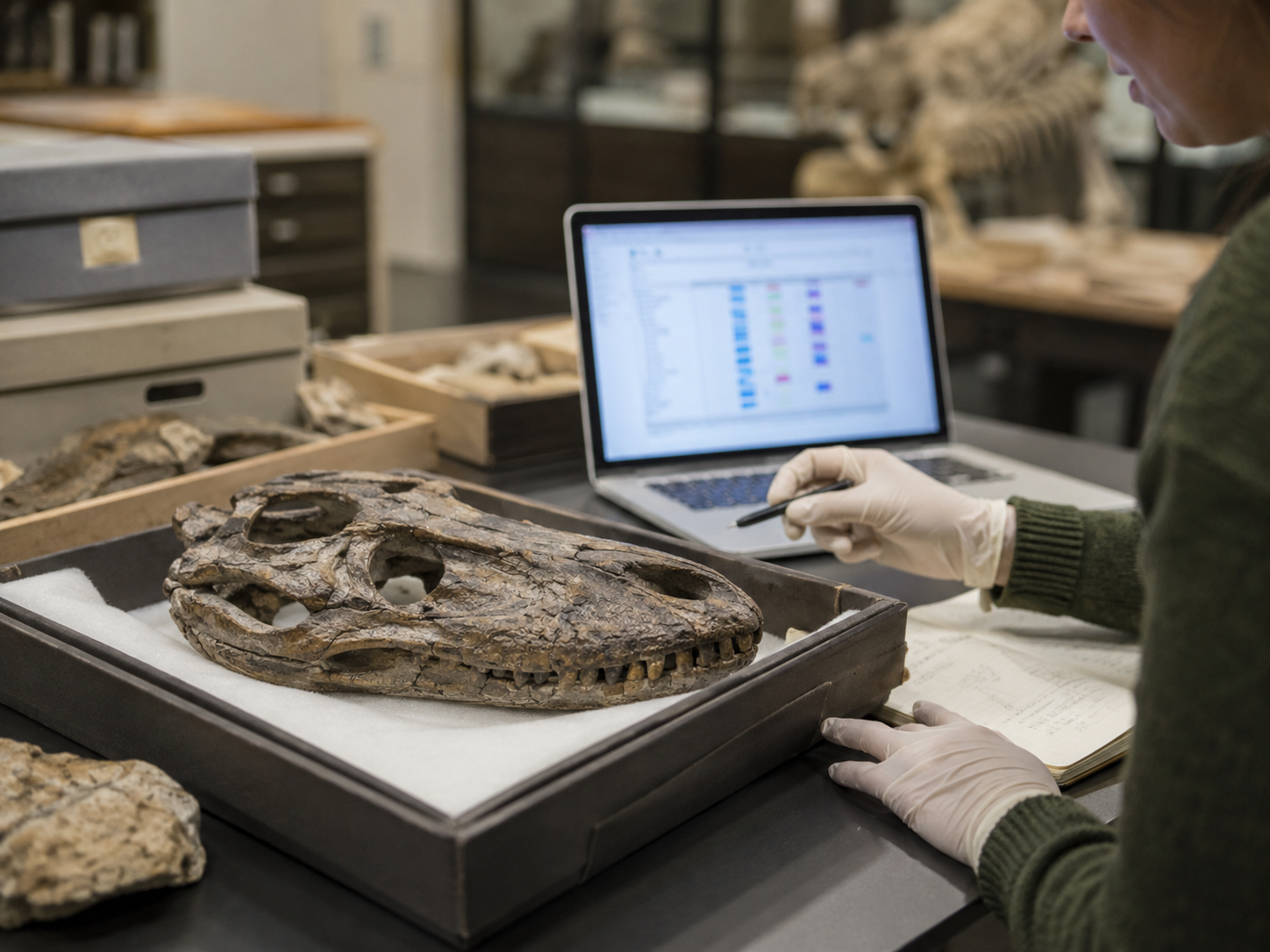
Museum specimens can preserve evidence long after the animals themselves have disappeared. Editorial illustration by TheDailyGlobe.
Museum drawers can hold answers about animals that disappeared before modern science had a chance to study them alive.
A new genetic study shows how. Scientists used DNA from historic museum specimens to examine vanished crocodiles from the Seychelles and found they were not a separate species. The crocodiles were saltwater crocodiles, making them the westernmost known population of that species.
What The DNA Showed
The finding helps settle a long-running question about what kind of crocodiles once lived in the Seychelles. Rather than representing a distinct island species, the preserved specimens point to saltwater crocodiles that had reached far across the Indian Ocean.
That matters because saltwater crocodiles are known for moving through coastal and marine environments. The Seychelles evidence adds another piece to the story of how far these animals could travel and where their range once extended.
Why Old Specimens Still Matter
The study is also a reminder that museum collections are not just storage rooms. Preserved bones, skins and tissues can become scientific evidence years or centuries later, especially as DNA tools improve.
Institutional summaries say the Seychelles population was wiped out after permanent human settlement began in the late 18th century. That makes the specimens especially important: they are among the remaining ways scientists can study a population that no longer exists in the wild.
What Remains Unknown
The research reconstructs identity and range from preserved specimens, not living Seychelles crocodiles. Future nuclear DNA work could add more detail about how the population related to other saltwater crocodiles across the region.
The discovery does not change present-day safety risk in the Seychelles, and it should not be read as evidence that living crocodiles were found there. Its value is historical and scientific: it shows how old collections can still answer questions about lost biodiversity, long-distance animal movement and the species people erased before they fully understood them.
Reporting note: Reporting draws on peer-reviewed evolutionary biology research, university materials, museum research summaries, science reporting, and reviewed biodiversity context. This article was produced with AI-assisted research and reviewed by an editor before publication.