Trump Says Acting Intelligence Chief Will Not Be Permanent Nominee
Trump said Bill Pulte will not be his permanent pick for director of national intelligence, leaving open who will ultimately lead the intelligence community.
Save Article

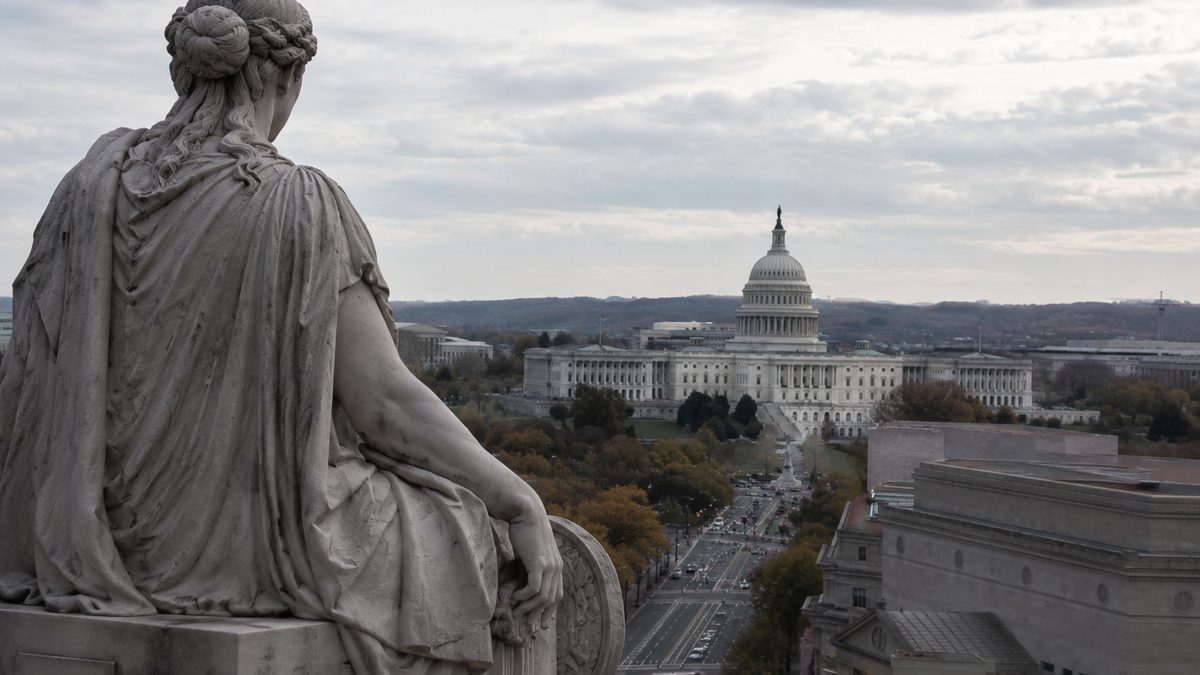
Questions over acting leadership have put renewed attention on how senior national security roles are filled. Editorial illustration by TheDailyGlobe.
Key Facts
- Trump said Bill Pulte would not be his permanent nominee for director of national intelligence.
- The White House released material defending Pulte's acting appointment.
- The director of national intelligence oversees major intelligence functions across the federal government.
- It remains unclear who Trump will nominate permanently.
- It remains unclear how long Pulte will serve in the acting role.
The practical question is simple: who is leading America's intelligence agencies right now, and who will hold that job for the long term?
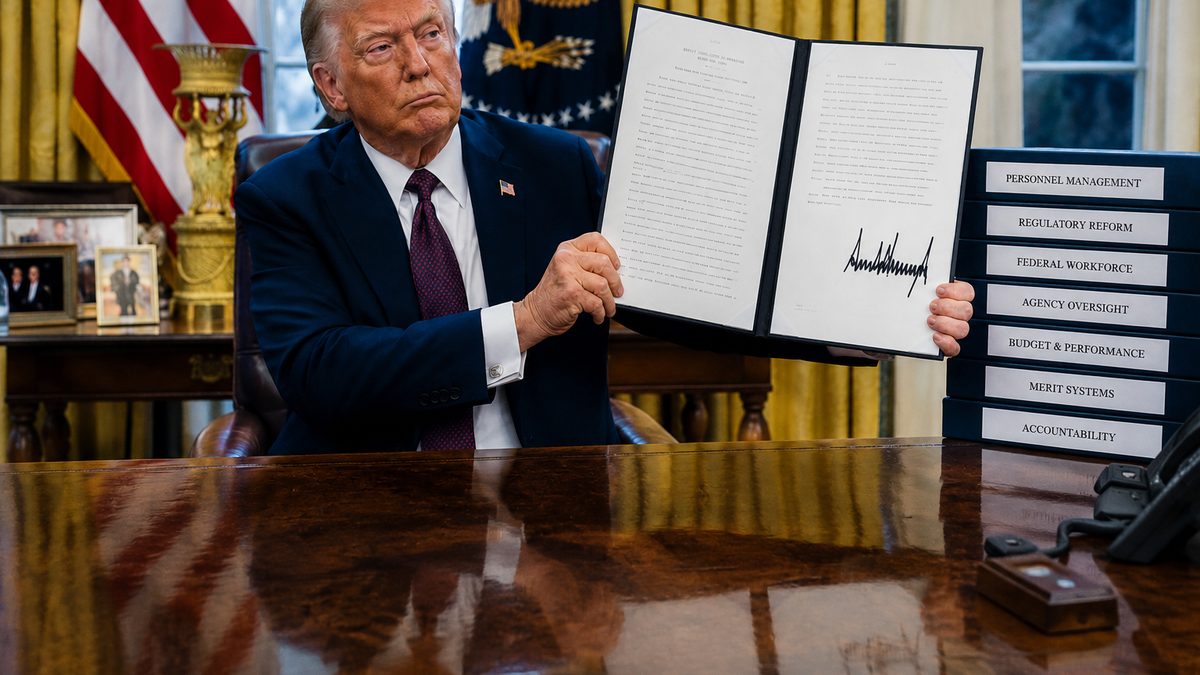
President Donald Trump said Bill Pulte will not be his permanent nominee for director of national intelligence, according to Associated Press reporting. The statement leaves Pulte tied to the acting role while keeping the permanent choice unresolved.
That matters because the director of national intelligence is not a routine staffing post. The role sits at the center of how the federal government coordinates major intelligence functions, briefs senior officials and helps manage oversight across the intelligence community.
What Changed
The immediate development is Trump's clarification that Pulte is not expected to be the permanent nominee for the DNI post. That distinction matters because acting service and permanent nomination are different things.
An acting official may temporarily perform the duties of a senior role while the administration decides on a longer-term choice or while a nominee moves through the confirmation process. A permanent nominee, by contrast, would face a formal Senate path before taking the job on a confirmed basis.
For readers, the difference is not just procedural. Acting appointments can keep government running, but they can also raise questions about accountability, qualifications and how long temporary leadership should last in powerful offices.
Why the DNI Job Matters
The director of national intelligence helps oversee and coordinate major intelligence work across the federal government. The job is connected to national security, intelligence priorities and how information moves between agencies and the White House.
That does not mean the public can or should know every operational detail. Much of the intelligence world involves classified work. But the identity, background and confirmation status of the person leading that system are public accountability questions.
This is why acting leadership draws attention in national security roles. Voters and lawmakers may disagree over a president's preferred choice, but the public has a clear interest in knowing who has authority, how that authority is being used and whether the permanent leadership process is moving forward.
The White House Defense and the Criticism
The White House released material defending Pulte's acting appointment. That gives the administration's position, but it should be read as an official defense of the decision, not an independent assessment of the appointment.
Concerns about Pulte's qualifications have also been reported and should be treated carefully. Those concerns are part of the public debate around the appointment, but they should be attributed to lawmakers and reporting rather than stated as settled conclusions.
The central fact remains narrower: Trump has said Pulte is not the permanent pick. That leaves the administration defending the temporary arrangement while the longer-term leadership question remains unanswered.
What Remains Unclear
The biggest unanswered question is who Trump will nominate for the permanent director of national intelligence role. Public reporting cited in the handoff does not identify a final permanent nominee.
It is also unclear how long Pulte will serve in the acting role. That timing matters because temporary service in a senior intelligence post can become more politically sensitive the longer it continues without a clear permanent nomination.
What should not be inferred is anything about classified intelligence operations. The available reporting concerns leadership, appointment status and public debate over the role, not details of intelligence work itself.
What to Watch Next
The next major marker would be a formal nomination for permanent director of national intelligence. That would shift the story from acting leadership to the Senate's role in reviewing the president's choice.
Until then, the public picture is unfinished. Pulte is associated with the acting role, the White House is defending the appointment, Trump says he will not be the permanent nominee, and the final choice for one of the country's most sensitive national security jobs has not yet been named.
Reporting note: Reporting draws on White House materials, wire reporting, defense-policy reporting, and reviewed background context. This article was produced with AI-assisted research and reviewed by an editor before publication.