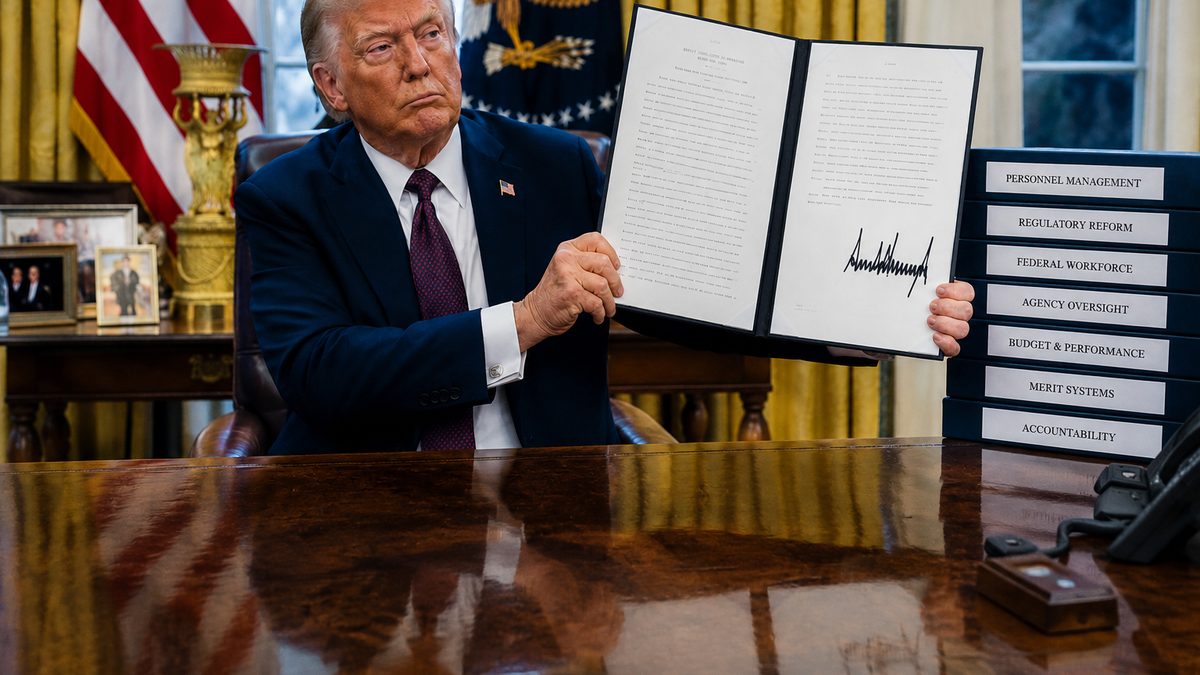
Who Watches the Watchdogs? New Staffing Trend Raises Questions About Federal Oversight
New reporting shows political appointees entering inspector general offices at multiple federal agencies, prompting debate over how independent government watchdogs can remain.
Save Article
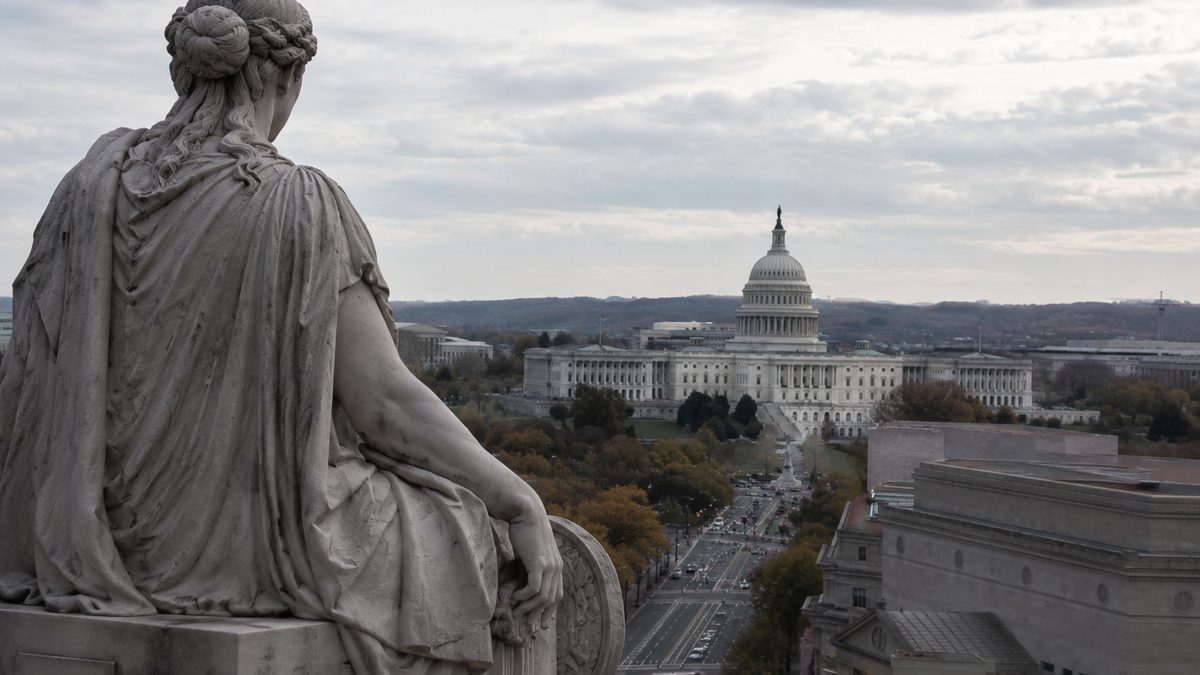
Government watchdogs can only protect public trust if they remain independent from the officials they oversee. Editorial illustration by TheDailyGlobe.
Key Facts
- Government Executive reported that 16 federal agencies now have non-Senate-confirmed political staffers working in inspector general offices.
- Inspectors general are responsible for investigating waste, fraud, abuse, and misconduct within federal agencies.
- The Partnership for Public Service argues such appointments can create structural conflicts of interest.
- Related federal workforce reporting indicates political appointees are increasingly filling roles traditionally held by career officials.
- No evidence presented in the reporting shows that specific investigations have been improperly influenced.
Government watchdogs serve a simple purpose: they are supposed to investigate problems inside government, even when those problems involve powerful officials. Their credibility depends on the belief that they can follow facts wherever they lead without worrying about political consequences.
That is why recent reporting about staffing changes inside federal inspector general offices has attracted attention beyond Washington's usual personnel debates. The issue is not about a specific investigation or allegation of misconduct. It is about whether offices designed to provide independent oversight can remain fully independent when political appointees move into positions inside those same watchdog organizations.
What Changed Inside Watchdog Offices
According to reporting by Government Executive, inspector general offices at 16 federal agencies now include non-Senate-confirmed political appointees, a development the publication described as the first time such staffing levels have appeared in watchdog offices in roughly 15 years.
Inspectors general occupy a unique role in government. They are tasked with auditing programs, investigating allegations of misconduct, examining agency spending, and identifying waste or abuse. Their mission often requires scrutiny of the very agencies in which they operate.
For decades, those offices have generally relied heavily on career staff whose positions are intended to remain separate from political changes that accompany new administrations.
Why Independence Matters
The concern raised by critics is not necessarily that political appointees will interfere with investigations. Rather, the concern is that watchdog offices depend on both actual independence and the appearance of independence.
The Partnership for Public Service, a nonprofit organization focused on government effectiveness, argues that political appointments within traditionally career-led oversight functions can create structural conflicts of interest. The organization says the risk comes from placing people with political loyalties inside offices expected to evaluate agency leadership objectively.
Supporters of political appointments often argue that administrations have a legitimate interest in ensuring their priorities are implemented across government. The tension arises because inspector general offices are not intended to function like ordinary policy offices. Their role is to provide oversight, including oversight of agency leadership itself.
What Has Not Been Proven
It is important to separate concerns from evidence. The reporting reviewed by TheDailyGlobe does not establish that political appointees have altered specific investigations, suppressed findings, or improperly influenced inspector general decisions.
No public record identified in the reporting demonstrates that any particular audit, investigation, or report was changed because of political staffing. That distinction matters because the current debate centers largely on institutional safeguards and future risks rather than documented interference.
In other words, critics are raising questions about structure and incentives, not presenting proof of wrongdoing.
A Broader Trend in Federal Staffing
The inspector general issue appears alongside a wider discussion about the balance between political leadership and career expertise throughout the federal government. Related workforce reporting has found political appointees increasingly occupying positions historically held by career officials in some areas of government management.
Supporters see greater political control as a way to ensure elected administrations can carry out their agendas. Critics worry that replacing career expertise with political personnel may weaken institutional independence in offices designed to provide objective analysis or oversight.
The debate reflects a larger question that extends beyond any single administration: how much political influence should exist within functions meant to monitor government itself?
What Readers Should Watch Next
The practical impact of these staffing changes remains uncertain. Congress could examine the issue through oversight hearings, agency watchdog offices could address concerns publicly, or future inspector general reports could provide more information about how staffing changes affect operations.
Readers should also watch whether additional agencies adopt similar staffing patterns and whether lawmakers pursue legislation related to inspector general independence.
For now, the core issue is less about a specific scandal and more about a principle. Watchdog offices exist to provide accountability inside government. The debate now unfolding asks whether those safeguards remain strongest when the people conducting oversight are insulated from politics—or whether political appointments can coexist with genuine independence. That question remains unresolved.
Reporting note: Reporting draws on federal workforce reporting, inspector general oversight materials, institutional analysis, and reviewed background materials. This article was produced with AI-assisted research and reviewed by an editor before publication.