Trump Order Shifts Some Federal Jobs Into a New Policy-Focused Category
The executive order moves certain policy-influencing career federal jobs into Schedule Policy/Career, reopening questions about presidential control and civil-service protections.
Save Article

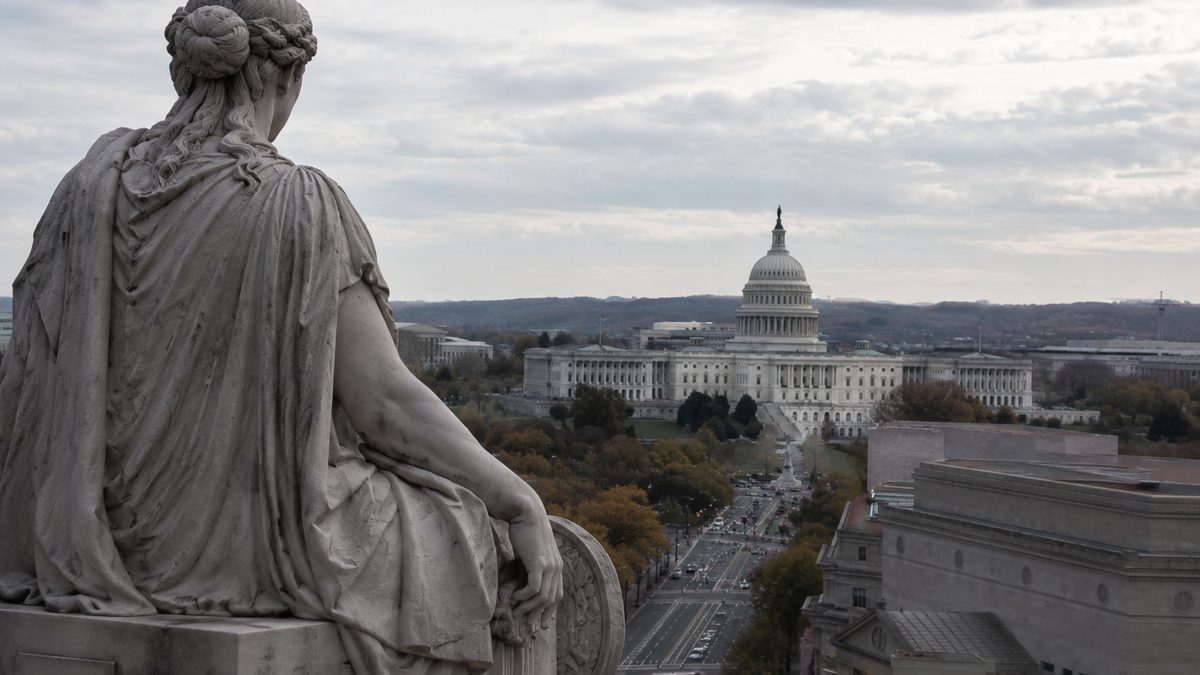
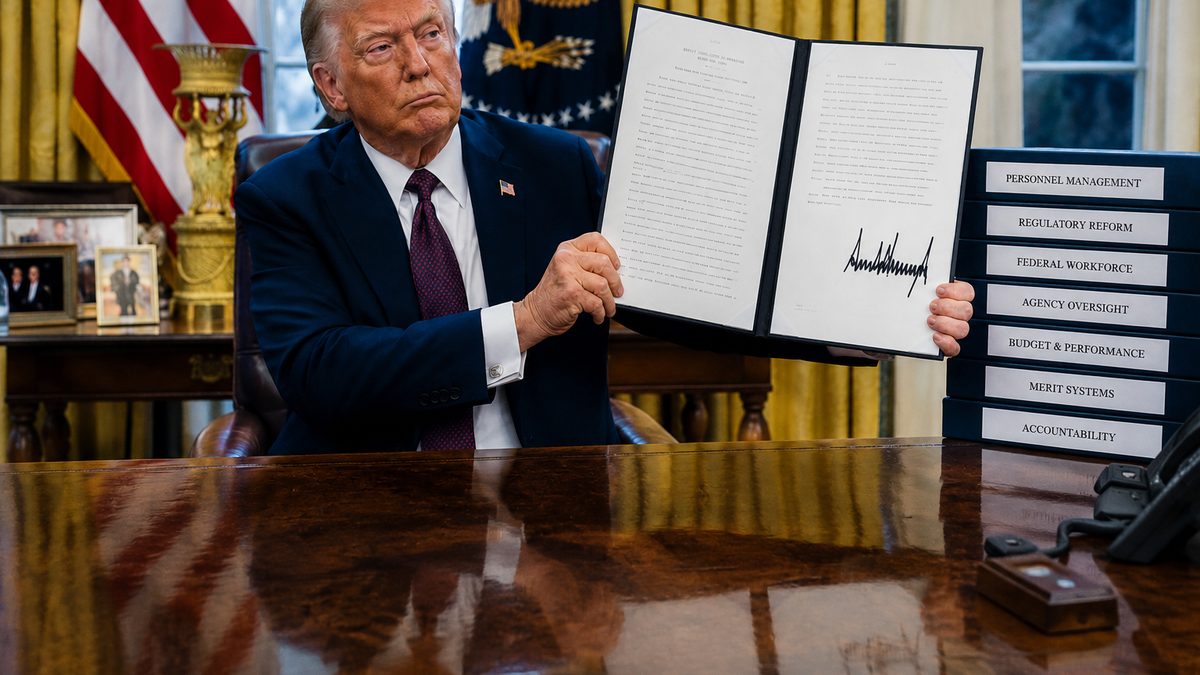
A new executive order changes the employment category for certain policy-influencing federal jobs. Editorial illustration by TheDailyGlobe.
Key Facts
- The White House issued the executive order on June 3, 2026.
- The order says Schedule Policy/Career covers policy-influencing career positions.
- The order says those positions are filled based on merit and not political affiliation.
- The order directs positions listed in its appendix to be placed into Schedule Policy/Career.
- Government Executive reported an estimate of roughly 8,000 affected federal positions, but that figure should be treated as an attributed estimate rather than an official final count.
Federal agencies can feel far removed from daily life, but the people who carry out federal policy help shape how government works in practice. A new executive order from President Donald Trump puts that question back at the center of Washington: who should have job protection inside the federal government, and who should be easier for a president to remove?
The White House issued an executive order on June 3 creating and implementing Schedule Policy/Career, a category for certain policy-influencing career positions in the federal workforce. The order says those jobs are still to be filled based on merit and not political affiliation, but it also directs listed positions in an appendix to be placed into the new category.
The change is technical on paper, but its practical meaning is easier to understand: it may affect job protections for some career federal employees whose work is tied closely to policy. Supporters of the move frame it as an accountability measure for officials who help carry out a president's agenda. Critics may see a risk that career civil-service jobs could become more vulnerable to political pressure.
What the Order Changes
The order creates a new employment category inside the excepted service, the part of the federal workforce that operates outside the standard competitive-service hiring system. According to the order, Schedule Policy/Career applies to career positions that influence policy while still being filled through merit-based standards rather than political loyalty.
That distinction matters because not every federal worker serves the same role. Some employees perform technical, administrative, enforcement, scientific, or service work that is meant to continue across administrations. Others work closer to policy development, implementation, or advice. The new category focuses on that second group: career jobs the administration describes as policy-influencing.
The White House order directs the positions listed in its appendix to move into Schedule Policy/Career. The full practical effect will depend on which positions are included, how agencies carry out the order, and whether the policy faces successful legal or administrative challenges.
Why Civil-Service Protections Matter
The federal civil service was built around a basic idea: many government jobs should not change hands every time political power changes. That system is meant to protect professional government work from becoming purely political, while still allowing elected leaders and appointed officials to set policy direction.
The tension is that presidents also expect agencies to follow lawful policy priorities set by the elected administration. When career officials hold positions that shape, advise on, or carry out policy, the line between professional independence and presidential accountability can become disputed.
That is the core fight behind the order. The White House position is that certain policy-influencing roles should be treated differently from other career jobs. Critics are likely to focus on whether the change weakens civil-service independence or makes it easier to remove experienced employees for reasons tied to politics rather than performance.
What Readers Should Know About the Scale
Government Executive reported that roughly 8,000 federal employees could be affected. That number gives readers a sense of possible scale, but it should not be treated as the final official count unless confirmed through the appendix, agency notices, or other government records.
The affected group is also not the same thing as political appointees. The order describes Schedule Policy/Career positions as career positions, not campaign or patronage jobs. That difference is important because the public debate is not simply about who serves in a new administration. It is about how much protection certain career workers should keep when their jobs influence policy.
What Remains Unclear
Several major questions remain open. Agencies still have to implement the order, and it is not yet clear how quickly that process will move. It is also unclear whether legal challenges will delay, narrow, or block parts of the policy.
Another open question is whether additional positions may be moved into Schedule Policy/Career later. The June 3 order directs listed positions into the category, but future agency actions or additional guidance from the Office of Personnel Management could shape how broad the category becomes in practice.
What Happens Next
The next steps to watch are OPM guidance, agency notices, and any court filings challenging the order. Those actions will show whether Schedule Policy/Career becomes a limited classification for specific roles or a larger change in how Washington handles career employees tied to policy work.
For readers, the issue is bigger than a personnel chart. It is about the balance between a president's authority to direct the executive branch and the long-standing idea that much of the federal workforce should remain professional, stable, and insulated from day-to-day political pressure.
Reporting note: Reporting draws on a White House executive order, U.S. Office of Personnel Management guidance, specialized federal workforce reporting, and reviewed background materials. This article was produced with AI-assisted research and reviewed by an editor before publication.