Trump Order Pushes Federal Agencies Toward Narrower Childhood Vaccine Guidance
The order directs CDC and ACIP to review an HHS assessment, but states, courts, insurers, schools, and doctors will shape what families actually see.
Save Article

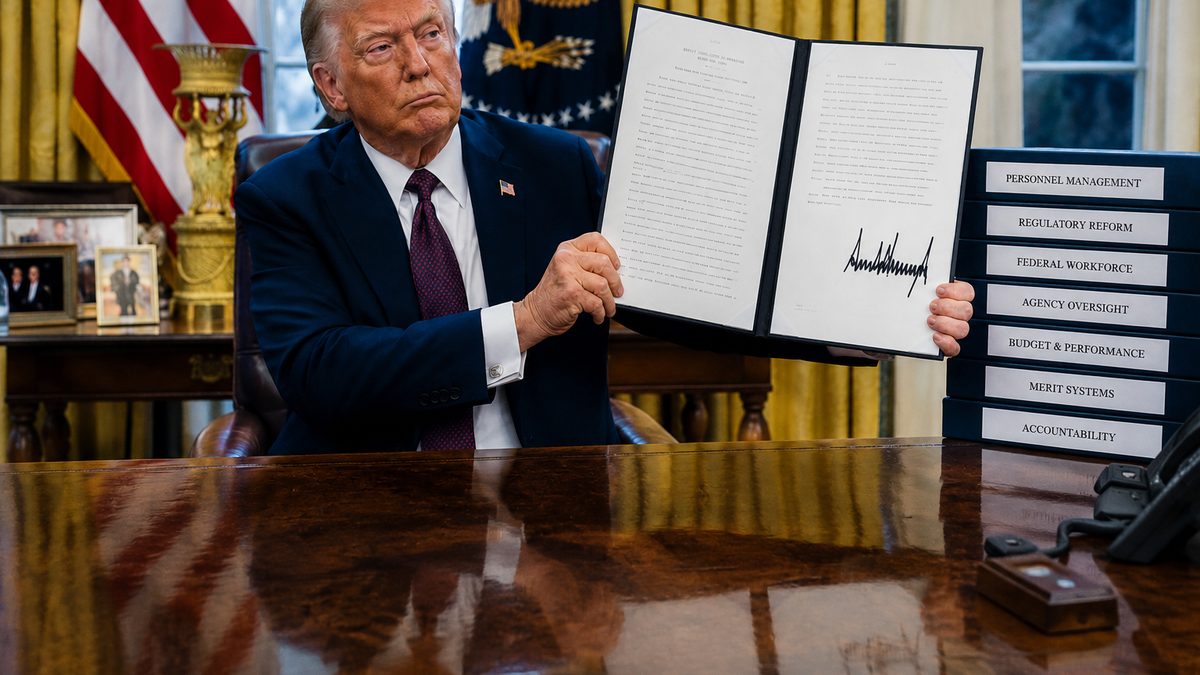
A new White House order could reshape how federal agencies approach childhood vaccine recommendations. Editorial illustration by TheDailyGlobe.
Key Facts
- The White House issued an executive order on May 29, 2026, titled “Realigning United States Core Childhood Vaccine Recommendations with Best Practices from Peer, Developed Countries.”
- The order directs CDC and ACIP to review an HHS assessment and take appropriate steps regarding childhood and adolescent vaccine recommendations.
- The Associated Press reported that the order endorses a January HHS study calling for fewer vaccines to be recommended for every American child.
- KFF reported that changes to federal vaccine guidance can affect public-health policy, access questions, and state-level decisions.
- States still control many school-entry vaccine requirements, so federal guidance does not automatically change every classroom rule.
Parents trying to understand childhood vaccine guidance may soon hear different messages from Washington, state officials, doctors, schools, insurers, and medical organizations. That does not mean every rule changes overnight. It does mean the federal government has started a policy process that could reshape how vaccine recommendations are written and used.
President Donald Trump issued a May 29 executive order directing federal health agencies toward narrower childhood and adolescent vaccine recommendations. The order does not itself rewrite every school rule or insurance policy, but it tells the Centers for Disease Control and Prevention and the Advisory Committee on Immunization Practices to review an HHS assessment and take appropriate steps under the law.
What the Order Does
The executive order acknowledges an HHS scientific assessment as a guiding resource for the federal government. It directs CDC and ACIP to review that assessment, along with the latest clinical data, and to take appropriate steps to update the United States childhood and adolescent vaccine schedule where permitted by law.
The order also tells federal departments and agencies to align actions, regulations, funding, and coverage related to child and adolescent immunizations with the schedule recommended by ACIP and adopted by CDC. It says vaccines included in any category on that schedule should continue to be covered without cost sharing by private insurance and covered by Medicaid, the Children’s Health Insurance Program, and the Vaccines for Children Program.
That language matters because federal vaccine recommendations do more than sit on a government website. They can influence doctor guidance, public-health planning, insurance coverage, school debates, and how state officials frame their own policies.
Where Federal Power Ends
The order is a federal policy move, not a direct replacement for every state vaccine rule. States control many school-entry vaccine requirements, and state laws vary. That means families could see different practical effects depending on where they live, how state officials respond, and whether schools or health agencies revise their own rules.
Insurers and public programs are another part of the chain. Federal guidance can affect coverage expectations, but the exact effect depends on how agencies implement the order and how existing laws apply. Doctors and medical groups may also continue to issue their own guidance based on professional standards and clinical judgment.
For readers, the most important distinction is this: federal recommendations can be powerful, but they are not the same thing as a school mandate, a doctor’s medical advice, or a state law.
The Dispute Over the Policy
The administration says the order is meant to align U.S. childhood vaccine recommendations with practices in peer developed countries while preserving access to vaccines currently available to Americans. The White House has framed the move around scientific review, parental authority, religious liberty, and public trust.
Critics and some medical groups argue that narrower federal guidance could increase confusion or public-health risk. Their concern is that a smaller federal schedule could make families less certain about what doctors recommend, make schools and states more divided, or make vaccine access and coverage harder to navigate.
Those are policy and public-health disputes, not settled outcomes. The order starts an implementation process, and the effects will depend on what CDC and ACIP do next, whether courts intervene, and how states and medical institutions respond.
What Families Should Watch Next
The next steps are practical. CDC and ACIP actions will show how the federal schedule may change. Court challenges could affect timing or implementation. States may decide whether to adjust their own vaccine policies or leave existing school-entry rules in place.
Families should also watch guidance from pediatricians, medical organizations, insurers, schools, and state health departments. Those are the places where federal policy often becomes real-world information: what a doctor recommends, what a plan covers, what a school requires, and what parents are told when they ask what has changed.
For now, the order is best understood as the start of a federal policy shift, not the final word. It moves agencies toward a narrower approach to childhood vaccine recommendations while leaving major questions about implementation, legal challenges, state response, and practical access unresolved.
Reporting note: Reporting draws on official White House materials, federal health-policy background, established reporting, policy analysis, and reviewed background materials. This article was produced with AI-assisted research and reviewed by an editor before publication.