Senate Immigration Bill Moves Border Funding Fight to the House
The Senate passed a $70 billion immigration enforcement bill after a long fight over agency funding and a disputed settlement fund, sending the measure to the House for its next test.
Save Article
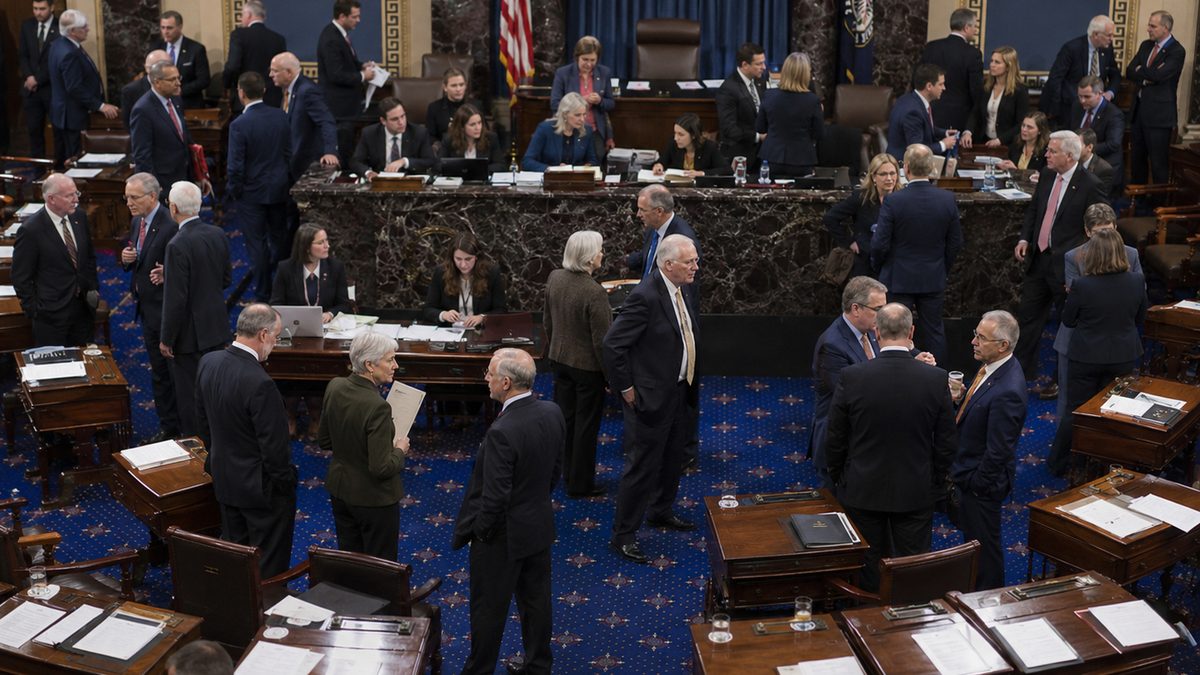
The Senate’s passage of a major immigration enforcement funding bill shifts the next stage of debate to the House. Editorial illustration by TheDailyGlobe.
Key Facts
- The Senate passed a $70 billion immigration enforcement bill after an extended fight over amendments and related disputes.
- The legislation would fund ICE and Border Patrol through the remainder of President Donald Trump’s term, according to public reporting.
- A disputed $1.776 billion settlement fund became a major point of conflict during the debate.
- The bill now moves to the House, where its final path remains uncertain.
The Senate passed a roughly $70 billion immigration enforcement bill early Friday, moving a major border and detention funding fight to the House after weeks of delays, partisan conflict and Republican disagreement over an unrelated settlement fund.
According to Associated Press reporting, the bill would fund immigration enforcement agencies, including U.S. Immigration and Customs and Border Protection. The measure passed the Senate 52-47 and now heads to the House, where lawmakers are expected to decide whether to accept the Senate version, revise it or force another round of negotiation.
The legislation sits at the center of several overlapping arguments. Supporters frame it as a necessary funding measure for border operations, immigration detention, deportation capacity and federal enforcement staffing. Critics argue that expanding enforcement funding without stronger oversight or policy limits gives too much power to agencies already facing intense public scrutiny. Those are not small differences in messaging. They reflect a wider national divide over what immigration enforcement should look like, how much it should cost and what safeguards should come with it.
The fight became more complicated because the bill was not only about border agencies. AP reported that a $1.776 billion settlement fund, connected to claims of political targeting, threatened to derail the measure. Some Republicans sought to permanently block or redirect the fund, while Senate leaders pushed to keep the bill narrow enough to pass and avoid creating new problems in the House. The amendment fights stretched into a long voting session before the final Senate vote.
For readers who do not follow congressional procedure closely, the important point is that Senate passage is not the same as final approval. The House can pass the bill as written, change it or delay action. If the House changes the measure, the Senate may have to revisit it. That means the bill’s practical effect will depend not only on Friday’s vote but also on how House leaders manage the next step.
The measure is also likely to remain politically volatile because immigration is one of the few issues that touches almost every major pressure point in national politics: border security, asylum, local government costs, labor markets, public safety, civil liberties, federal-state conflict and presidential power. A funding bill may sound technical, but this one is tied to larger questions about how aggressively the federal government should enforce immigration law and how much money Congress should provide to do it.
Democrats have pushed for more oversight and policy changes, while Republicans have largely emphasized enforcement capacity and border control. Even within the Republican conference, however, the settlement-fund dispute showed that not every conflict followed a simple party-line pattern. Some senators objected to the fund or wanted it redirected, creating an internal fight inside the broader immigration debate.
The bill’s shareability comes from its scale and its direct connection to daily national arguments. A $70 billion enforcement package is large enough to affect federal staffing, detention operations and border management. It is also specific enough for readers to understand: Congress is deciding how much money immigration agencies get, under what conditions and with what political tradeoffs attached.
The next question is whether the House treats the bill as a must-pass enforcement measure or reopens the fight. If House lawmakers change the bill substantially, the debate could stretch further. If they move quickly, the package could become one of the most consequential immigration funding actions of the year. Either way, the vote gives readers a clear signal: the immigration debate has shifted from campaign rhetoric back into the machinery of federal budgeting, where policy choices become agency funding, staffing and enforcement power.
Reporting note: Reporting draws on Associated Press coverage, public congressional process reporting, NPR member-station coverage, and reviewed background materials on federal immigration enforcement funding. This article was produced with AI-assisted research and reviewed under TheDailyGlobe editorial standards before publication.