New Immigration Funding Law Gives ICE and Border Patrol Years of Money With Fewer Oversight Fights
A newly signed immigration funding law provides nearly $70 billion for enforcement agencies and changes how future funding battles may unfold in Washington.
Save Article

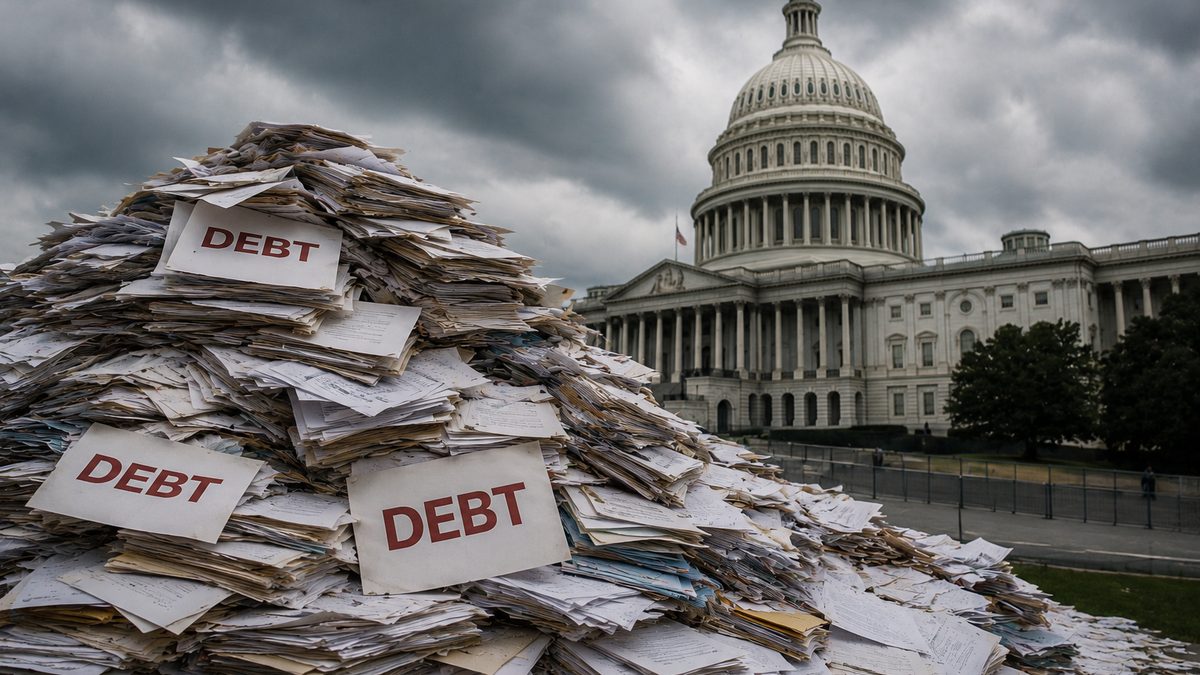
Federal spending decisions can shift political power long after the vote is over. Editorial illustration by TheDailyGlobe.
Key Facts
- President Trump signed legislation providing nearly $70 billion for immigration enforcement.
- Associated Press reporting said the law includes approximately $38 billion for ICE and $26 billion for Border Patrol.
- The House approved the legislation by a narrow vote before it was signed into law.
- The White House described the measure as full funding for ICE, CBP, and border security priorities.
- Questions remain about how the Department of Homeland Security will allocate the money and what oversight mechanisms will be used going forward.
Congress debates immigration funding almost every year. Those fights typically give lawmakers repeated opportunities to question agency leaders, negotiate spending levels, and attach conditions to how money is used.
A newly signed immigration enforcement law changes that dynamic. President Donald Trump signed legislation providing nearly $70 billion for immigration enforcement, including major funding increases for Immigration and Customs Enforcement and U.S. Border Patrol. Beyond the dollar amount, the law's structure may reduce the need for repeated funding battles that have often served as a tool for congressional oversight.
What Congress Funded
According to Associated Press reporting, the legislation provides roughly $38 billion for ICE and about $26 billion for Border Patrol. Together, those allocations account for most of the nearly $70 billion package.
The White House promoted the law as a major investment in border security and immigration enforcement. Administration officials said the funding would support priorities involving immigration enforcement operations and border management.
The legislation's passage followed a closely contested vote in the House, reflecting the continued political divide surrounding immigration policy. While lawmakers disagreed sharply on the bill, Congress ultimately approved the measure and sent it to the president for signature.
Why the Funding Structure Matters
The size of the funding package has attracted attention, but the structure may prove just as important. Annual appropriations battles often give Congress recurring leverage over federal agencies. Lawmakers can hold hearings, demand reports, adjust funding levels, or threaten reductions if they are dissatisfied with agency performance.
When agencies receive funding intended to support operations over a longer period, those recurring budget fights can become less central to day-to-day oversight. Congress still retains oversight authority, but the pressure point created by yearly funding negotiations may become less immediate.
For readers, the practical question is not only how much money was approved but also how much flexibility agencies will have in deciding how to use it. The answer could shape staffing levels, detention capacity, transportation resources, technology investments, and other operational decisions within the Department of Homeland Security.
Supporters and Critics See Different Risks
Supporters of the law argue that immigration enforcement agencies need stable funding to carry out border security responsibilities. They contend that long-term funding allows agencies to plan operations more effectively and avoid uncertainty tied to annual budget negotiations.
Critics raise a different concern. They argue that providing large amounts of funding up front may reduce opportunities for lawmakers to review agency performance through future appropriations battles. Some advocacy groups and opponents of the legislation have said stronger accountability safeguards should have accompanied the funding increases.
Those competing arguments reflect a broader debate about how federal agencies should be supervised. The disagreement is not limited to immigration policy; it also involves questions about how Congress balances agency flexibility with ongoing accountability.
What We Still Do Not Know
Several important details remain unresolved. Public reporting has not established exactly how the Department of Homeland Security will divide the money among staffing, detention facilities, transportation systems, technology programs, and other enforcement activities.
It is also unclear what future congressional oversight efforts will look like now that the funding has been approved. Congress retains authority to conduct hearings, request records, and investigate agency actions, but the specific oversight plans have not yet been fully outlined.
The law's real-world effects will also depend on implementation decisions that have not yet been made public. Funding authorization alone does not determine how enforcement operations will be carried out in practice.
What Readers Should Watch Next
The next phase of the story will likely center on implementation. Department of Homeland Security spending plans, agency hiring decisions, detention capacity changes, and operational updates will offer a clearer picture of how the money is being used.
Congressional oversight hearings may also provide insight into whether lawmakers believe the agencies are meeting the goals outlined in the legislation. Court challenges or disputes involving state governments could further shape how the funding is ultimately used.
For now, the central fact is clear: Congress approved and the president signed one of the largest immigration enforcement funding packages in recent years. The debate is shifting from whether the money should be provided to how it will be spent, how closely it will be monitored, and what results it ultimately produces.
Reporting note: Reporting draws on Associated Press reporting, White House materials, congressional actions, and reviewed background materials. This article was produced with AI-assisted research and reviewed by an editor before publication.