Congress Missed a Surveillance Deadline. What Changes Now Is Less Clear Than It Sounds
Congress failed to extend Section 702 before a key deadline, but the practical effects may unfold more gradually than the political fight surrounding the program suggests.
Save Article
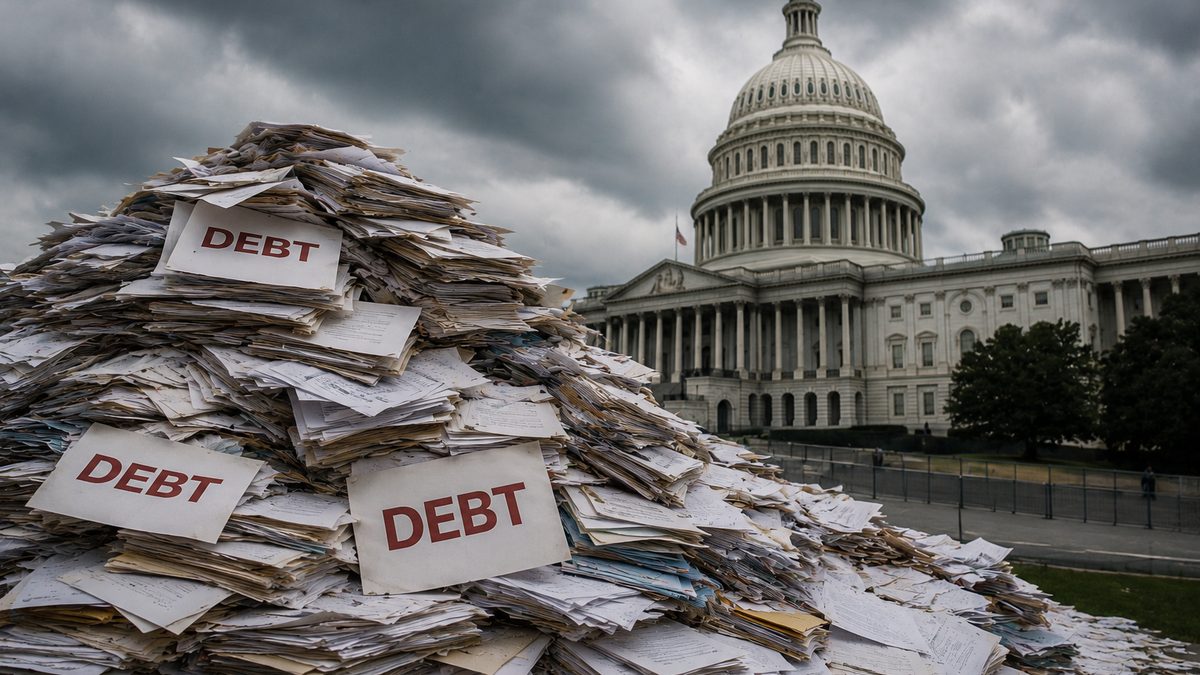
Surveillance powers sit at the intersection of national security, privacy, and congressional oversight. Editorial illustration by TheDailyGlobe.
Key Facts
- Congress failed to extend Section 702 before the June 12 deadline.
- Section 702 allows intelligence agencies to target foreigners located outside the United States for intelligence collection.
- Existing certifications may allow certain operations to continue despite the lapse.
- The authority has long been the subject of disputes over national security and privacy protections.
- Lawmakers could still pursue renewal, reform, or another legislative solution.
Most Americans do not spend much time thinking about surveillance authorities buried deep inside federal law. But when those authorities expire, the debate quickly reaches questions many people care about: how intelligence agencies track threats, how much power the government should have, and what safeguards exist to protect privacy.
That debate moved back into the spotlight on June 12 when Congress failed to extend Section 702 before its deadline. The lapse follows months of disagreement over whether the authority should be renewed as written, reformed, or allowed to expire.
The headline may sound straightforward, but the practical consequences are more complicated. While the legal authority has reached its deadline, existing certifications may allow some intelligence collection activities to continue for now, meaning the immediate operational impact remains uncertain.
What Section 702 Actually Does
Section 702 is part of the Foreign Intelligence Surveillance Act, commonly known as FISA. According to the Office of the Director of National Intelligence, the authority allows the government to collect foreign intelligence by targeting non-U.S. persons located outside the country.
Supporters argue the program has become an important intelligence tool for monitoring foreign threats, including terrorism, cyber activity, and actions by foreign governments. Intelligence officials have repeatedly said the authority helps produce information that would otherwise be difficult to obtain.
At the same time, critics have raised concerns for years about how information collected under the program can affect Americans. Civil-liberties advocates have argued that reforms are needed to strengthen oversight and reduce the risk of improper access to communications involving U.S. persons.
Why Congress Reached the Deadline
The deadline itself was not a surprise. Lawmakers knew it was approaching and had months to decide how to handle the authority.
Instead, the issue became part of a broader political fight over surveillance powers, intelligence oversight, and competing views about how much reform should accompany any renewal. Some lawmakers emphasized national-security concerns, while others argued that extending the authority without additional safeguards would leave unresolved privacy questions.
The result was a familiar Washington outcome: a known deadline arrived before Congress reached agreement.
What Remains in Place
One reason experts caution against dramatic conclusions is that expiration does not necessarily mean an immediate halt to every activity associated with the program.
According to reporting and official materials, existing certifications may continue to support certain intelligence operations for a period of time. That means the practical effects of the lapse could be less immediate than the political headlines suggest.
Exactly how much continuity exists and how agencies manage the transition period remains an area where public information is still limited.
The Accountability Question
Beyond the legal details, the lapse raises a broader question about congressional responsibility. Whether lawmakers support renewal or oppose it, the deadline was well known.
For supporters of the authority, the concern is that uncertainty could complicate intelligence planning. For critics, the lapse highlights years of unresolved debate over surveillance safeguards and oversight. Both sides point to different risks, but both are responding to a deadline Congress ultimately did not resolve before it arrived.
What Readers Should Watch Next
The most important unanswered question is what Congress does next. Lawmakers could pursue a clean renewal, negotiate a reform package, or attempt a shorter-term extension while broader debates continue.
Another question is whether agencies or courts provide additional clarification about how existing certifications operate during the lapse period. Those details could help determine whether the practical impact is limited, substantial, or somewhere in between.
For now, two facts can exist at the same time: Congress missed the deadline, and the full effect of that lapse is not yet clear. The next round of legislative and legal decisions will determine whether Section 702 returns unchanged, returns with reforms, or becomes the center of an even larger debate about surveillance and privacy in the years ahead.
Reporting note: Reporting draws on Associated Press reporting, Office of the Director of National Intelligence materials, legal policy resources, and reviewed background materials. This article was produced with AI-assisted research and reviewed by an editor before publication.