GAO's Latest Warning Raises a Question Congress Still Has Not Answered
A new federal watchdog report says debt is growing faster than the economy and interest costs are consuming a larger share of federal resources, but lawmakers remain divided on how to respond.
Save Article
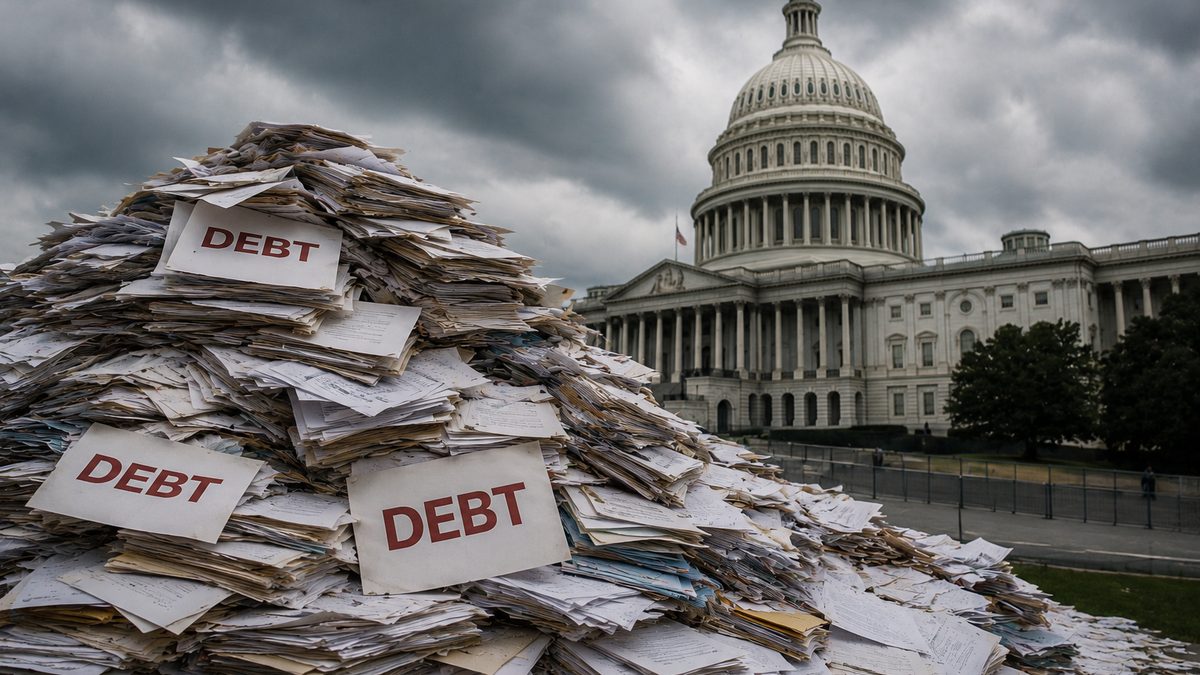
Federal debt becomes a daily-life issue when interest costs crowd out choices lawmakers would rather postpone. Editorial illustration by TheDailyGlobe.
Key Facts
- GAO reported publicly held federal debt reached $31.3 trillion as of April 2026.
- The agency said publicly held debt is now roughly equal to the size of the U.S. economy.
- GAO projects debt will grow more than twice as fast as the economy over the next decade.
- GAO reported net interest spending in fiscal year 2025 exceeded federal spending on national defense.
- The Congressional Budget Office projects debt held by the public will rise from 101 percent of GDP in 2026 to 120 percent in 2036.
Every dollar the federal government spends on interest is a dollar that cannot be used elsewhere. It cannot fund defense programs, infrastructure projects, scientific research, disaster response, or tax relief. That reality sits at the center of a new warning from the Government Accountability Office, the independent watchdog that audits federal operations for Congress.
The agency's latest fiscal health report does not predict an immediate financial collapse. Instead, it highlights a longer-term problem: federal debt is growing faster than the economy, and interest costs are becoming a larger part of the federal budget.
For years, lawmakers in both parties have acknowledged the challenge. What remains largely unresolved is how Congress intends to address it.
What the New Warning Says
The GAO's report focuses on the government's long-term fiscal path rather than next year's budget debate. According to the agency, debt held by the public has reached a level roughly equal to the nation's annual economic output. The watchdog also projects that debt will continue growing faster than the economy if current trends remain in place.
One figure attracted particular attention: net interest spending in fiscal year 2025 exceeded federal spending on national defense. Interest payments are not a program lawmakers can easily reduce once debt exists. They are obligations tied to money the government has already borrowed.
That distinction matters because rising interest costs can limit future budget flexibility. As more revenue goes toward servicing debt, lawmakers face fewer options elsewhere in the budget.
Why Debt Matters Beyond Washington
Federal debt can feel distant from everyday life because it is measured in trillions of dollars. Most households do not think in numbers that large. The practical issue is not the headline figure itself but what growing debt can mean for future policy choices.
When Congress debates taxes, defense spending, health programs, infrastructure, or other priorities, those decisions increasingly occur alongside rising interest obligations. Higher interest costs do not automatically require spending cuts or tax increases, but they can make those conversations more difficult.
The GAO argues that the current path creates economic, national-security, and societal challenges over time. The exact impact will depend on future policy decisions, economic growth, inflation, and interest rates.
Congress Knows the Numbers
One reason debt reports continue drawing attention is that the underlying problem is not a surprise. Congress receives regular projections from both the GAO and the Congressional Budget Office. The agencies have repeatedly warned that current trends place increasing pressure on future budgets.
Yet lawmakers have not adopted a durable long-term fiscal strategy. Both parties have contributed to debt growth over time through combinations of spending decisions, tax policies, emergency measures, and other legislative actions.
The political challenge is straightforward but difficult. Voters often support specific government programs and tax preferences, while proposals to reduce spending or increase revenue frequently face resistance. As a result, elected officials can find it easier to delay major decisions than to build consensus around a long-term plan.
The Hard Choices Remain Undefined
The GAO report identifies the problem but does not prescribe a single solution. It does not determine which taxes should rise, which programs should be reduced, or which reforms Congress should prioritize.
Those questions remain political decisions rather than accounting exercises. Lawmakers would need to decide which priorities to protect, which tradeoffs to accept, and how much of the burden should come from spending changes, revenue changes, economic growth, or some combination of all three.
At this stage, available reporting does not show a bipartisan agreement on any comprehensive approach.
What Readers Should Watch Next
The next clues are likely to emerge through budget negotiations, tax legislation, and future Congressional Budget Office updates. Changes in interest rates and economic growth could also affect future projections.
The most important question is not whether federal debt exists. That is already established. The question is whether Congress develops a credible strategy before interest costs consume an even larger share of federal resources.
For now, the GAO's warning adds another entry to a growing stack of reports pointing in the same direction. The numbers are becoming harder to ignore. What remains unclear is whether lawmakers are any closer to agreeing on what to do about them.
Reporting note: Reporting draws on Government Accountability Office reports, Congressional Budget Office projections, public fiscal data, policy analysis, and reviewed background materials. This article was produced with AI-assisted research and reviewed by an editor before publication.