Senate Delay Puts Immigration Funding and DOJ Fund in the Same Fight
A Senate delay over immigration enforcement money has turned into a broader fight over congressional control, DOJ settlements, and a $1.776 billion fund tied to claims of government weaponization.
Save Article
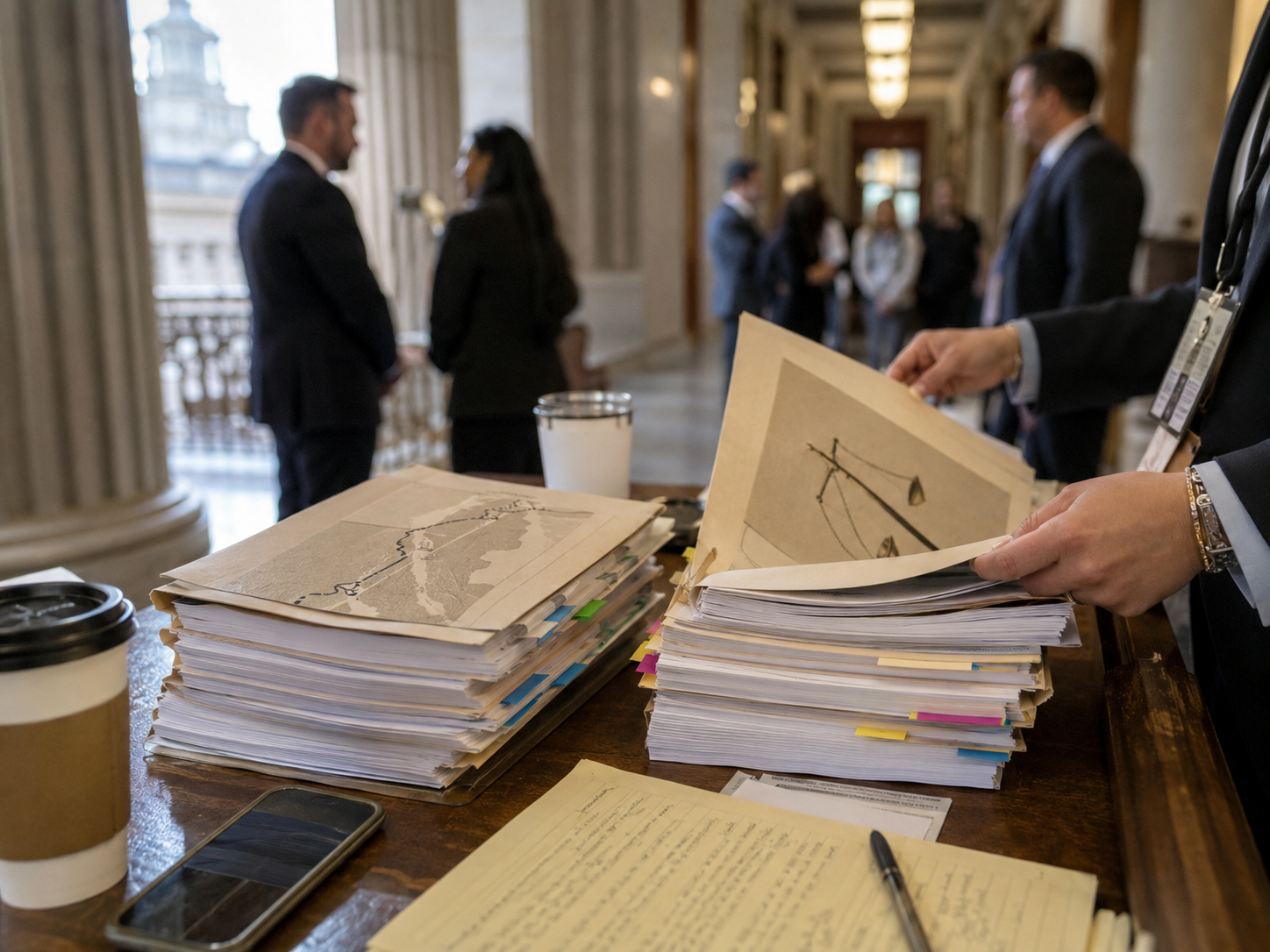
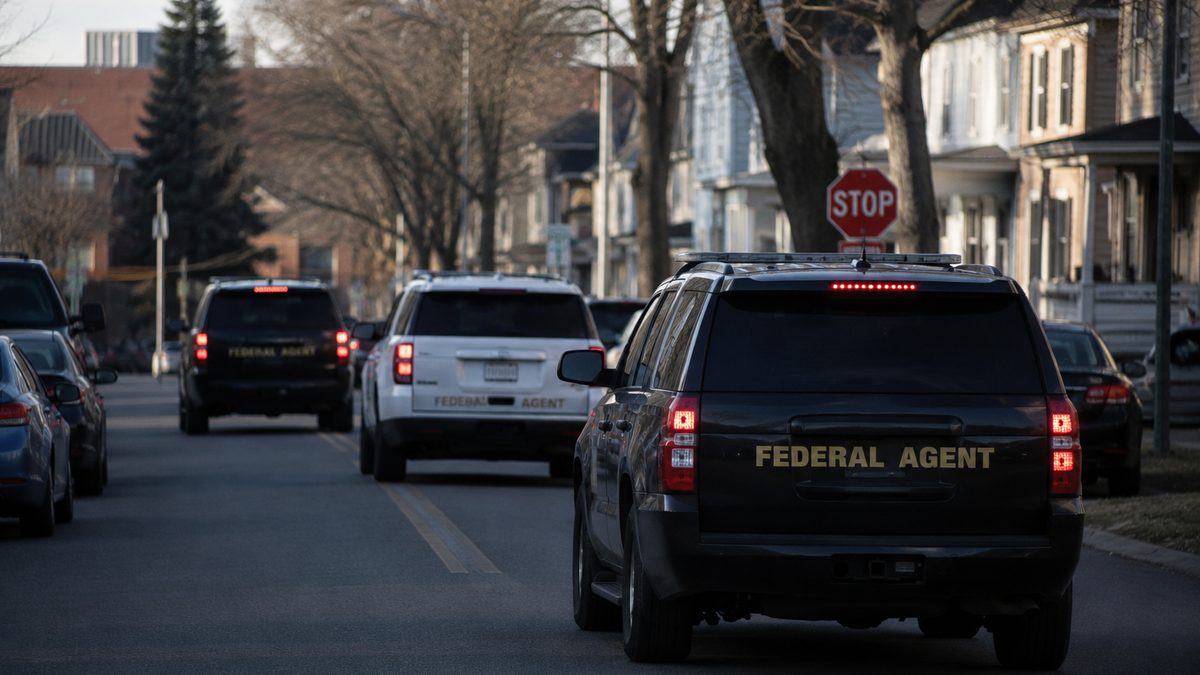
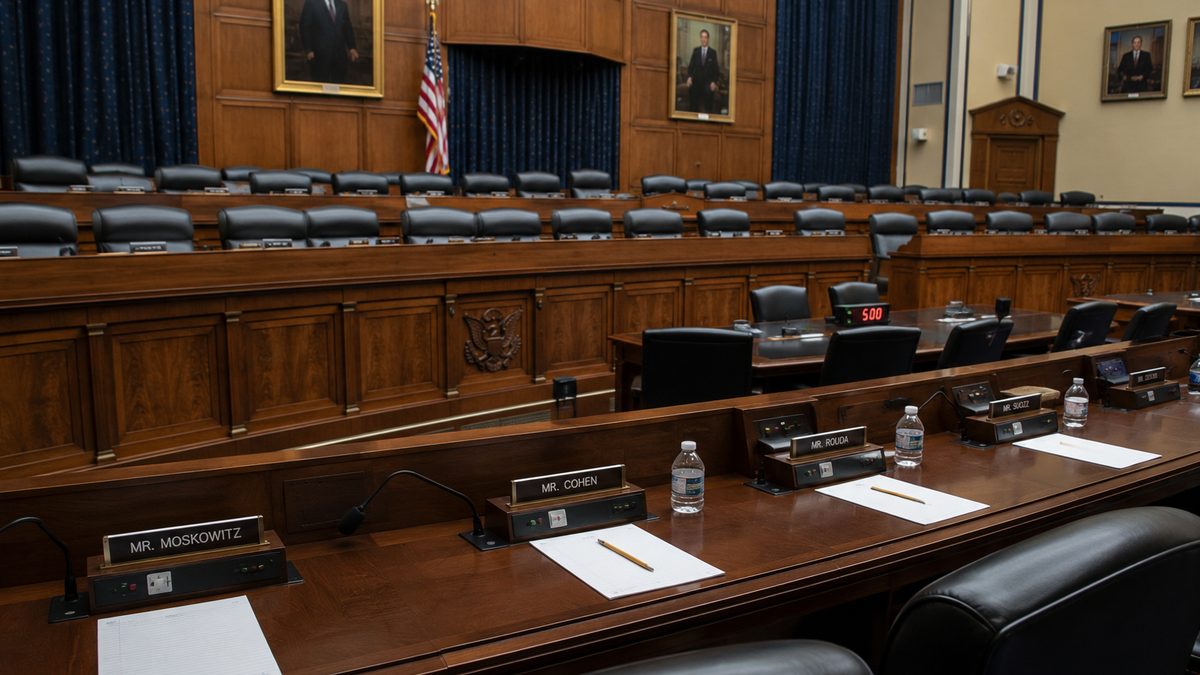
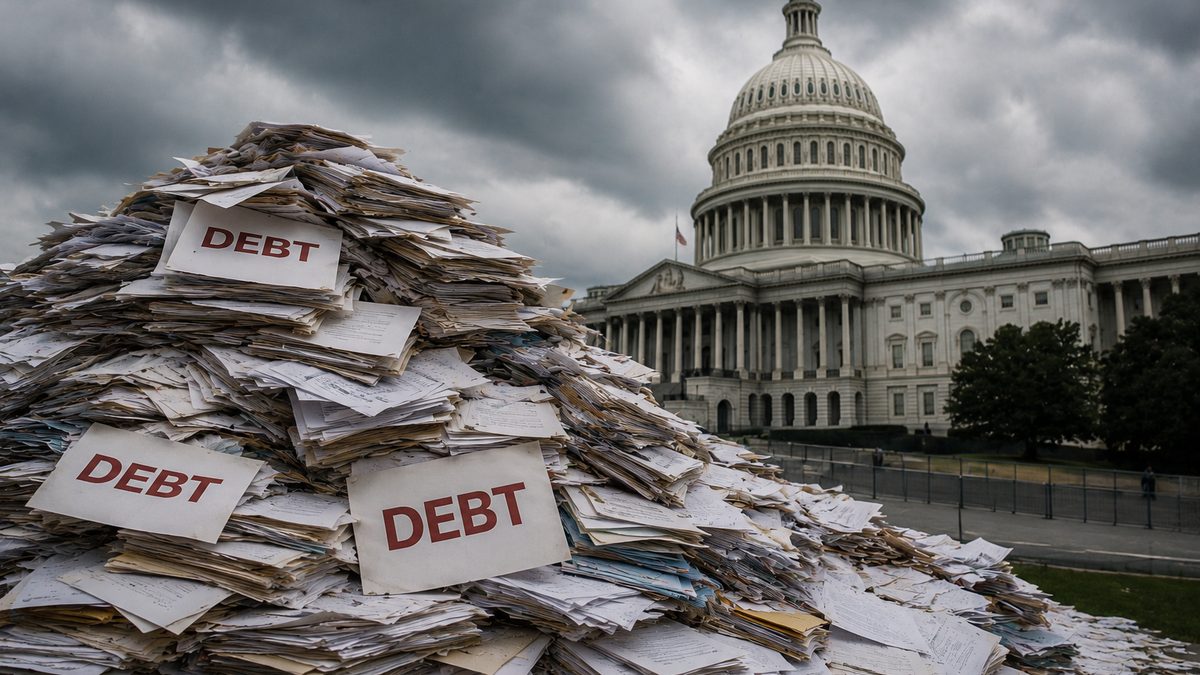
A Senate delay over immigration enforcement money has turned into a broader fight over congressional control, DOJ settlements, and a $1.776 billion fund tied to claims of government weaponization. Editorial illustration by TheDailyGlobe.
Key Facts
- The Justice Department announced the Anti-Weaponization Fund on May 18, 2026, as part of the settlement agreement in President Donald J. Trump v. Internal Revenue Service.
- DOJ said the fund is intended to provide a process to hear and redress claims from people who suffered weaponization and lawfare.
- The fund is set at $1.776 billion and would come from the federal judgment fund, according to DOJ materials.
- Senate Republicans left Washington without voting on a roughly $70 billion immigration enforcement funding bill.
- The dispute includes whether Congress should restrict, rewrite, or block payouts from the Anti-Weaponization Fund.
Senate Republicans left Washington without voting on a roughly $70 billion immigration enforcement funding bill, delaying one of President Donald Trump’s major priorities after concerns grew inside his own party over a separate Justice Department compensation fund.
The delay matters because two different issues have now become tied together: money for federal immigration enforcement and congressional scrutiny of a $1.776 billion Anti-Weaponization Fund announced by the Justice Department. The fund was created as part of a settlement agreement in President Donald J. Trump v. Internal Revenue Service, according to DOJ materials.
For regular readers, the fight is not only about one funding bill or one legal settlement. It is about who controls federal spending, how much authority the executive branch has to structure legal settlements, and whether Congress will place limits on a fund that critics say could become a political payout mechanism.
What Stalled in the Senate
The immigration enforcement bill was intended to provide major funding for federal immigration and deportation operations. But Senate action stalled after Republican objections grew over the DOJ fund, according to national reporting.
The delay does not mean the immigration funding bill is dead. It means lawmakers did not advance it before leaving Washington, pushing the fight into the next round of congressional action. That gives senators more time to decide whether they want to separate the immigration money from the DOJ fund dispute or use the broader package to impose limits.
That is the governing conflict at the center of the story. Many Republicans support stronger immigration enforcement. But some are also objecting to the way the administration created, structured, or defended the Anti-Weaponization Fund. Those two positions are now colliding inside the same legislative timeline.
What the DOJ Fund Is Supposed to Do
The Justice Department describes the Anti-Weaponization Fund as a process for people to bring claims that they were harmed by government weaponization or lawfare. DOJ said the fund was established by the Attorney General as part of the Trump v. IRS settlement.
According to DOJ materials, the plaintiffs in that case include President Trump, Donald Trump Jr., Eric Trump, and the Trump Organization. The case followed the leak of Trump tax records. DOJ said the plaintiffs would receive a formal apology but no monetary payment or damages of any kind from the settlement.
The Justice Department also said the fund would be able to issue formal apologies and monetary relief to claimants. DOJ said claims would be voluntary, that there would be no partisan requirements to file, and that any money left when the fund ends would return to the federal government.
Those details explain why the fund is more than a symbolic issue. It involves a large pool of federal money, a settlement structure, and future decisions about who qualifies for compensation. The public record does not yet answer every practical question about how claims would be reviewed or who would ultimately receive payments.
Why Some Republicans Objected
The objections from Senate Republicans centered on whether the fund could be used to compensate people in a way lawmakers view as inappropriate. Critics have characterized the fund as a possible political payout mechanism. That criticism should be understood as an argument, not a settled fact.
The sharper question for Congress is whether lawmakers want to let the fund proceed under the structure announced by DOJ, rewrite the terms, restrict the money, or block it outright. Because the fund is connected to a legal settlement and the federal judgment fund, the issue also raises questions about congressional oversight of executive-branch settlement decisions.
That is why the dispute reached beyond normal party-line disagreement. It put Republican senators in the position of weighing support for Trump’s immigration agenda against concern over a fund created by his Justice Department in connection with a settlement of his own lawsuit.
What This Means for Immigration Funding
The immigration bill remains important on its own. A roughly $70 billion package would be a major federal spending commitment, and immigration enforcement is one of the central priorities of the Trump administration.
But the delay shows how a separate controversy can slow even a bill with strong support inside the president’s party. If lawmakers keep the issues linked, the immigration funding package may have to move through negotiations over the DOJ fund. If they separate them, Congress could try to advance enforcement money while addressing the fund through another bill, restriction, or oversight process.
For communities, agencies, and people affected by immigration enforcement, the practical question is whether the delay changes the timing or scale of federal enforcement resources. The source material supports that the vote was delayed. It does not yet show what final changes Congress may make to the funding bill.
What Congress May Do Next
The next steps are still unsettled. Congress could leave the DOJ fund alone, restrict it, rewrite parts of it, or attempt to block payouts. Lawmakers could also seek more information about who would qualify, how claims would be judged, and what reporting or auditing rules would apply.
DOJ materials say the fund would report quarterly to the Attorney General on who received relief and what form of relief was awarded. DOJ also said the fund could be audited at the Attorney General’s direction and must take steps to protect private information and avoid fraud.
Those safeguards may not satisfy lawmakers who believe Congress should have a direct role in limiting or approving how the money is used. The core issue is not whether Congress supports immigration enforcement. It is whether senators are willing to approve a major funding package while leaving the Anti-Weaponization Fund untouched.
For now, the confirmed facts are narrow but important: DOJ created the fund through a settlement agreement, the fund is large enough to draw congressional scrutiny, and Senate action on immigration enforcement funding has been delayed amid Republican objections. What remains unclear is whether Congress will use that delay to change the fund, block it, or move forward after recess with only minor adjustments.
Reporting note: Reporting draws on Justice Department materials, congressional reporting, national wire reporting, and reviewed background materials. This article was produced with AI-assisted research and reviewed by an editor before publication.