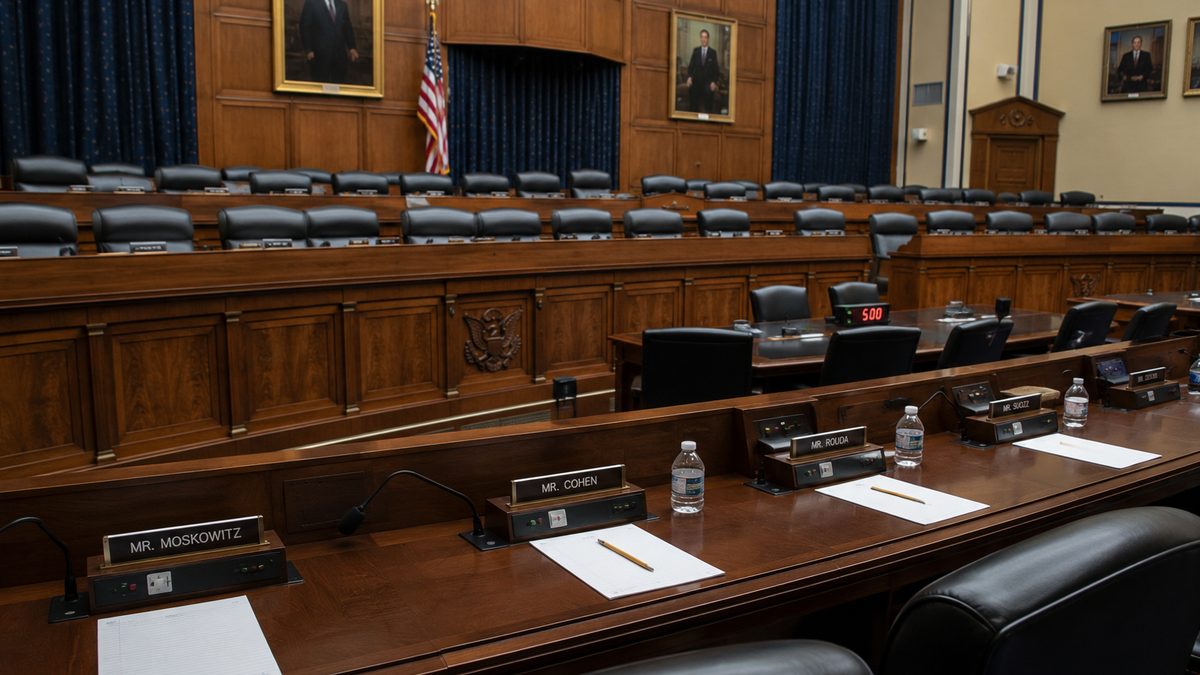
Senate Bill Would Put Congress in the Middle of College Sports Rules
A bipartisan proposal from Sens. Ted Cruz and Maria Cantwell would create national rules for NIL payments, transfers, athlete protections and oversight.
Save Article
A bipartisan Senate bill would try to create national rules for college sports. Editorial illustration by TheDailyGlobe.
Key Facts
- Sens. Ted Cruz and Maria Cantwell introduced a bipartisan college sports bill.
- The bill would address NIL payments, transfer rules, athlete protections and oversight structures.
- The proposal includes limited antitrust protections tied to college sports governance.
- The bill would preempt the current patchwork of state NIL laws.
- The bill's path through Congress remains uncertain.
College sports have become harder for students, schools and fans to follow as athlete pay, transfer rules and state laws keep shifting at the same time.
Two senior senators are now trying to move that fight into a national framework. Sens. Ted Cruz, Republican of Texas, and Maria Cantwell, Democrat of Washington, have introduced a bipartisan college sports bill aimed at setting federal rules for name, image and likeness payments, athlete transfers, player protections and oversight.
The proposal matters because it asks Congress to decide who should set the rules for a fast-changing college sports system: states, schools, conferences, the NCAA, athletes or federal lawmakers.
What the Bill Tries to Fix
The college sports system has been remade by NIL deals, conference realignment, transfer movement and court-driven changes to NCAA authority. The result is a system where schools and athletes often face different rules depending on the state, conference or governing body involved.
The Cruz-Cantwell bill is designed to replace some of that uneven system with national rules. It would regulate parts of the NIL marketplace, set limits around athlete transfers, create athlete protections and establish oversight structures for the new system.
The bill also includes federal preemption, meaning national rules would take priority over the state-by-state NIL laws that have developed since college athletes gained wider ability to earn money from their name, image and likeness.
Why Federal Rules Would Be a Big Shift
For athletes, national rules could bring more consistency, but the details matter. A federal standard could make it clearer what athletes can earn, how NIL deals are reviewed and what protections they have. It could also limit some rights or options that athletes or advocates believe should remain broader.
For schools and conferences, the appeal is stability. Athletic departments have been trying to operate in a system where state laws, NCAA rules, court settlements and conference policies do not always line up cleanly.
For states, federal preemption would mean giving up some control over college sports rules. That could simplify the system nationally, but it would also reduce the ability of individual states to set their own athlete-compensation policies.
The Antitrust Question
One of the most sensitive parts of college sports legislation is antitrust protection. The NCAA and other college sports leaders have sought legal protection that would allow them to set and enforce rules without facing the same level of antitrust risk that has helped reshape the industry.
The Cruz-Cantwell proposal includes limited antitrust protections. That wording is important because broad antitrust immunity has been one reason earlier college sports bills faced resistance. Supporters argue some protection is needed to create stable rules. Critics may question whether it gives too much power back to institutions that athletes have spent years challenging.
The bill does not settle that debate simply by being bipartisan. It moves the debate into a more serious legislative phase, but the hardest questions remain: how much freedom athletes should have, how much authority schools and the NCAA should regain, and who should enforce the rules.
What Remains Unclear
The bill's prospects are still uncertain. Earlier college sports proposals have stalled, and a bipartisan Senate bill still needs enough support to move through committee, clear the Senate and line up with whatever the House is willing to consider.
The response from athlete advocacy groups, conferences and state officials will also matter. Some may welcome a national standard. Others may object if they believe the proposal limits athlete rights, weakens state protections or gives too much legal shelter to the NCAA and other governing bodies.
Final bill text, committee timing and possible amendments will determine how much the proposal changes before any vote. Until those details are settled, the bill should be understood as a serious attempt to break a congressional stalemate, not as a finished new rulebook for college sports.
What To Watch Next
The next steps are committee action, publication or review of full bill text, possible amendments and any signal from House leaders about whether they are willing to take up a similar approach.
For readers, the practical question is whether Congress can create one national college sports system without flattening important differences among athletes, schools and states. That is the tradeoff at the center of the bill.
If the proposal advances, the debate will not be only about NIL. It will be about who has power in college sports now, who should have it next and whether federal law can bring order to a system that has already changed faster than Congress has been able to respond.
Reporting note: Reporting draws on congressional materials, Senate legislative tracking, Associated Press reporting, and reviewed college sports policy context. This article was produced with AI-assisted research and reviewed by an editor before publication.