Why a Mail Voting Court Fight Could Matter More Than the Initial Ruling
A federal judge declined to immediately block a Trump executive order involving mail voting and a federal voter list, but the larger legal battle is still unfolding.
Save Article
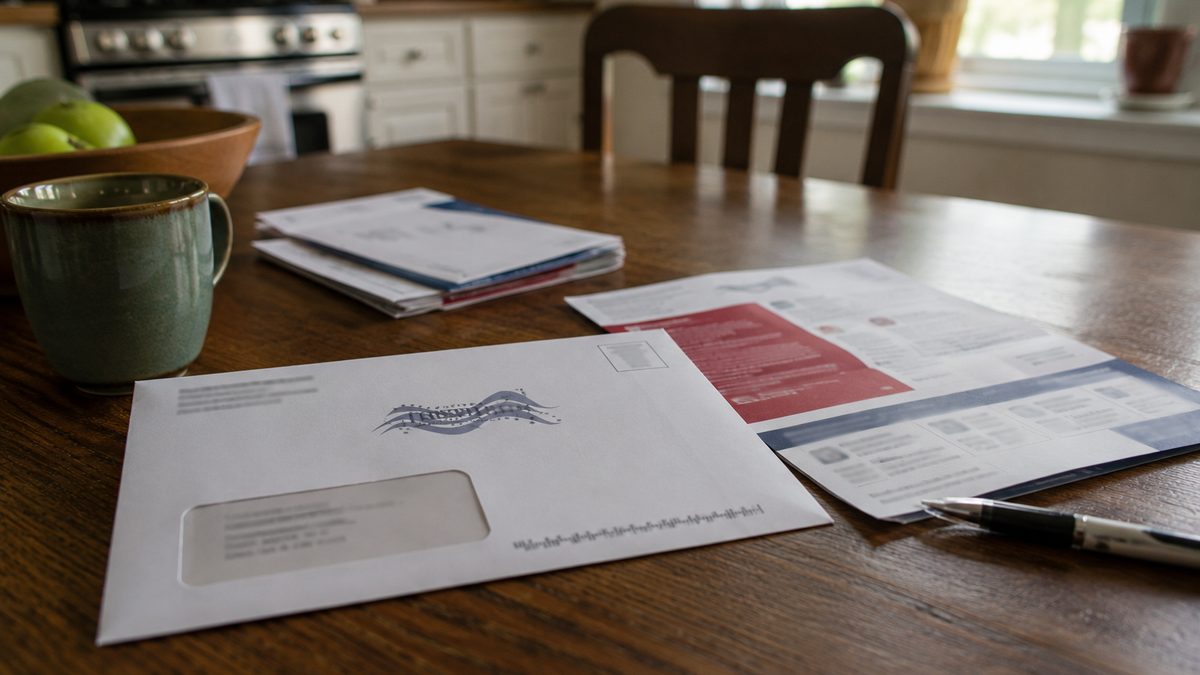
Election rules depend on clear procedures as much as public trust. Editorial illustration by TheDailyGlobe.
Key Facts
- A federal judge declined to immediately block the executive order.
- Associated Press reporting said the ruling has no immediate effect on the 2026 midterm elections.
- The order involves a federal voter list and restrictions related to mail voting.
- Legal challenges to the order remain active.
- Appeals and future court decisions could still affect how the policy develops.
Most voters rarely think about election administration until something changes. The expectation is simple: before ballots are cast, people should know which rules apply, who is responsible for running elections, and what procedures will be used.
That expectation sits at the center of a growing legal fight over a Trump administration executive order involving mail voting and the creation of a federal voter list. A federal judge recently declined to immediately block the order, but the decision did not settle the broader dispute. Instead, it moved the debate into the next phase of litigation.
What the Judge Actually Decided
One reason election-law stories can be confusing is that early court rulings often focus on procedure rather than the ultimate legality of a policy. In this case, the judge declined requests to immediately stop the executive order while litigation continues.
That distinction matters. The ruling did not represent a final determination that the order is lawful, nor did it resolve the underlying questions raised by challengers. According to reporting reviewed by TheDailyGlobe, the court's decision means the order remains in place for now while legal challenges proceed.
The practical result is that the legal fight continues even though opponents did not receive the immediate injunction they sought.
A Debate Over Federal and State Authority
Beyond the specific provisions of the order, the case raises a larger question about who controls election administration in the United States.
States and local election officials traditionally play the leading role in managing elections. The administration argues that the executive order is intended to protect election integrity and improve oversight of voting systems. Supporters view the effort as a legitimate use of federal authority to address election-related concerns.
Plaintiffs challenging the order argue that it exceeds federal authority and could interfere with systems normally managed by states and local officials. They contend that changes involving voter lists and mail-voting procedures should not be imposed through executive action in the way the order proposes.
The court has not yet issued a final ruling on those competing claims.
Why Timing Matters
Election litigation often becomes more complicated as voting deadlines approach. Courts frequently consider not only the substance of election rules but also whether changes close to an election could create confusion for administrators or voters.
For that reason, timing may become almost as important as the legal arguments themselves. While current reporting indicates the ruling has no immediate effect on the midterms, future court decisions, appeals, or implementation efforts could influence how the issue develops.
At this stage, available reporting does not establish whether the order can be fully implemented before major midterm voting activity begins.
Questions That Remain Unanswered
Several important questions remain unresolved. Appeals courts may choose to review aspects of the case. Officials have not fully explained how some portions of the order would operate in practice if implementation moves forward.
It is also unclear how election officials and the U.S. Postal Service would manage any procedures connected to a federal voter-list system described in reporting about the order. Those operational details could become important if courts ultimately allow the policy to proceed.
The current record also does not establish how judges may evaluate the underlying legal arguments once the case moves beyond the early procedural stage.
What Readers Should Watch Next
The most important developments are likely to come from appeals courts and future rulings rather than from the recent decision itself. Those proceedings could provide clearer answers about the scope of federal authority, the legality of the order, and whether any provisions can be implemented before future elections.
For now, the central fact remains relatively narrow: a judge declined to immediately block the executive order, but the broader legal fight is still underway. What happens next will depend less on political rhetoric and more on how courts interpret the balance between federal power and the traditional role states play in running elections.
Reporting note: Reporting draws on court reporting, official legal filings, Associated Press reporting, PBS NewsHour reporting, legal analysis, and reviewed background materials. This article was produced with AI-assisted research and reviewed by an editor before publication.