Iran War Powers Vote Delay Tests Congress’s Role in Military Action
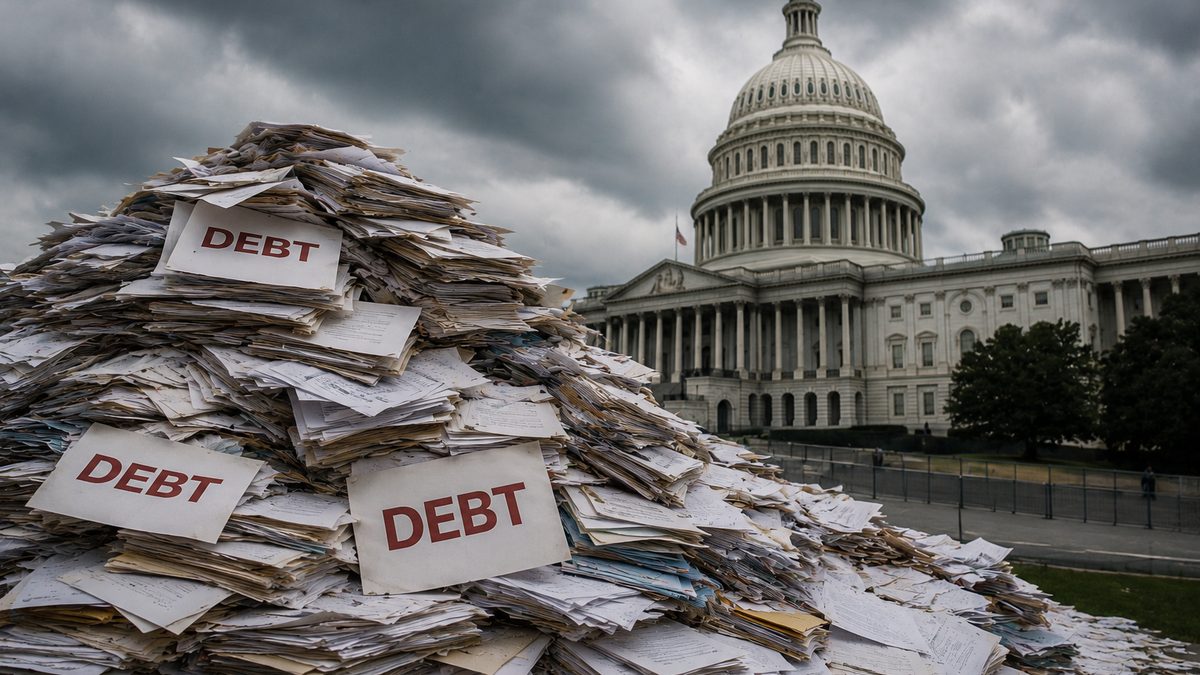
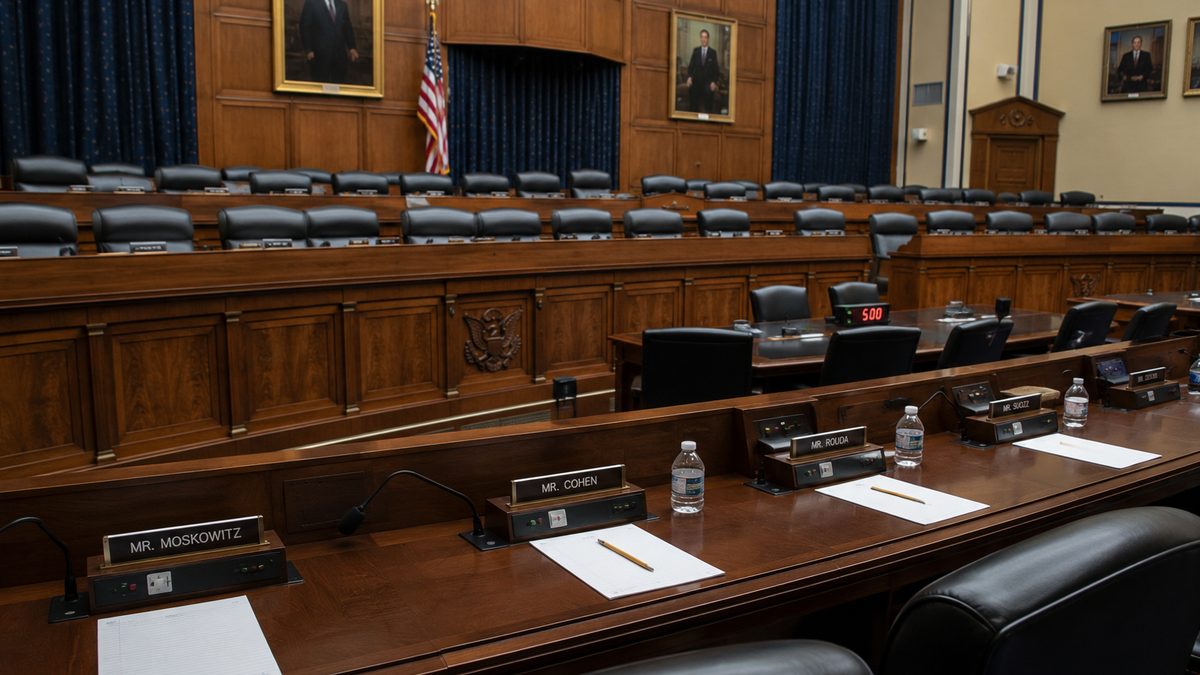
A delayed House vote over Iran-related war powers puts a basic constitutional question back in front of Congress: when can presidents use military force without new authorization?
Save Article
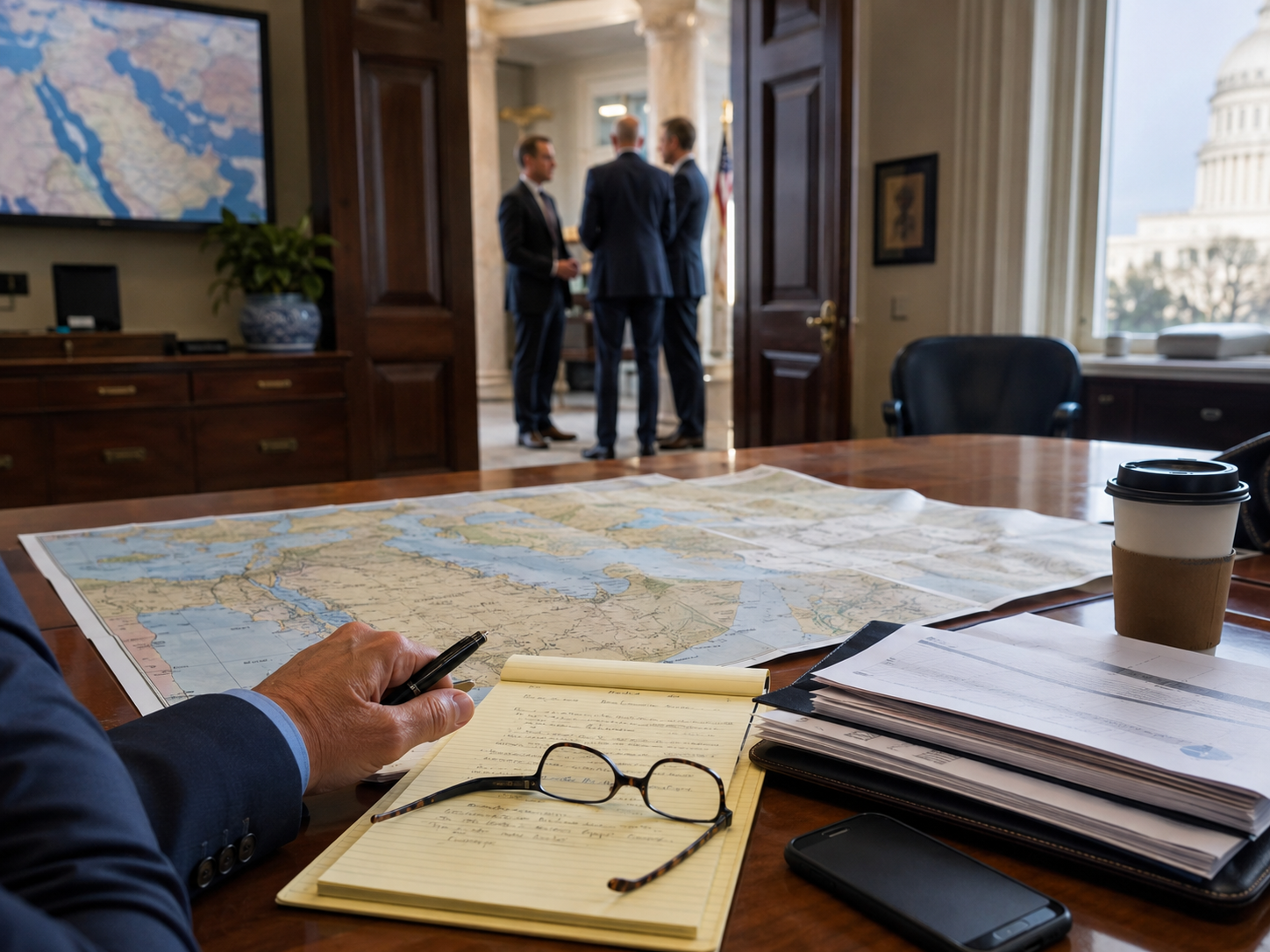
A delayed House vote over Iran-related war powers puts a basic constitutional question back in front of Congress: when can presidents use military force without new authorization?. Editorial illustration by TheDailyGlobe.
Key Facts
- House Republicans delayed planned votes on a resolution related to withdrawing U.S. forces from unauthorized hostilities in Iran.
- The dispute concerns Congress’s role under the War Powers Resolution.
- A bipartisan war powers push has been led by members including Rep. Thomas Massie, a Republican from Kentucky, and Rep. Ro Khanna, a Democrat from California.
- National reporting says GOP leaders delayed the vote because they lacked support to block the measure.
- It remains unclear whether the House will take up the measure after recess or whether any measure would survive a presidential veto.
House Republicans delayed planned votes on a measure tied to U.S. military action involving Iran, pushing off a fight over one of Congress’s most serious responsibilities: deciding when the country authorizes war.
The resolution concerned withdrawing U.S. forces from unauthorized hostilities in Iran. The issue sits inside the War Powers Resolution, a law meant to define how Congress and the president share authority when U.S. forces are placed into armed conflict.
For readers, the dispute is not just about one House vote. It is about whether Congress is willing and able to assert its role when presidents conduct military operations without a new authorization from lawmakers. That question matters regardless of which party controls the White House.
What the Delayed Vote Was About
The planned House action centered on whether Congress should force a vote related to U.S. forces and unauthorized hostilities in Iran. The source material does not establish that the measure has passed or that it will pass later. The confirmed development is the delay.
According to national reporting, GOP leaders called off the vote as the resolution appeared to have enough support to advance or at least create a difficult political moment. That reason should be attributed to reporting because House leaders’ internal vote calculations are not the same as an official legislative result.
The delay gives lawmakers more time, but it does not settle the underlying question. Congress may still return to the measure after recess, alter the approach, or avoid a direct vote. The White House could also oppose any restriction, and even a measure that passes Congress could face a veto.
Why War Powers Matter
The Constitution gives Congress the power to declare war. Presidents, as commanders in chief, direct the military. The tension between those two roles has shaped U.S. foreign policy for decades, especially when presidents order military operations without asking Congress for a new war authorization.
The War Powers Resolution was designed to keep presidents from conducting open-ended hostilities without congressional involvement. In practice, however, presidents of both parties have often argued that they have enough authority to act quickly, especially when they say U.S. forces, allies, or national security interests are at risk.
That is why votes like this matter even when they do not immediately change battlefield realities. They are one of the few ways Congress can put members on record and test whether lawmakers are willing to reclaim authority that often shifts toward the executive branch during national security crises.
The Bipartisan Push Behind the Measure
The war powers effort has bipartisan backing, including from Rep. Thomas Massie and Rep. Ro Khanna. Their work reflects a recurring divide in Congress that does not always follow the usual party lines.
Some lawmakers on the left and right have argued for years that Congress has allowed presidents too much room to conduct military operations without fresh authorization. Their reasons can differ. Some focus on constitutional limits. Others focus on avoiding another long-running conflict. Still others object to giving any president broad military discretion without a clear vote from elected representatives.
That bipartisan alignment does not guarantee passage. War powers votes can scramble party leadership, foreign policy pressure, national security arguments, and concerns about how a vote may be interpreted abroad. Members may agree in theory that Congress should have a say while disagreeing over the timing, wording, or consequences of a specific measure.
What Congress Can and Cannot Do
Congress can pass legislation to restrict or direct the use of military force, cut or condition funding, demand reporting, or force debate through procedures tied to the War Powers Resolution. Those tools can matter, especially when lawmakers from both parties are willing to use them.
But Congress cannot easily control every military decision in real time. The president retains command authority, and national security disputes often move faster than legislative calendars. Even when Congress acts, a president may veto the measure unless enough lawmakers support overriding that veto.
That is the practical problem behind the delayed Iran vote. A resolution can be a constitutional statement, a political pressure point, or a legal restriction, depending on what it says and how far it gets. Until the House acts, readers should be careful not to treat the measure as settled policy.
What Remains Unclear After Recess
The next step is not certain. The House may take up the measure after recess, revise it, or move on to other business. The available source material does not show whether supporters have enough votes to pass it later.
It is also unclear whether any war powers measure could survive a presidential veto. That matters because a symbolic House vote and a binding law are different things. A House vote can show congressional concern, but changing U.S. military policy usually requires either broader congressional agreement or a shift by the executive branch.
For now, the delayed vote has already done one thing: it has put Congress’s war powers role back in public view. The question after recess is whether lawmakers will keep that debate alive or let the president’s authority remain the main driver of U.S. military action involving Iran.
Reporting note: Reporting draws on congressional records, official House materials, national reporting, lawmaker statements, and reviewed background materials. This article was produced with AI-assisted research and reviewed by an editor before publication.