House Ukraine Aid Vote Shows How a Narrow Majority Can Bypass Leadership
A House vote on Ukraine support moved forward through a discharge petition, showing how rank-and-file lawmakers can force action when leadership objects.
Save Article

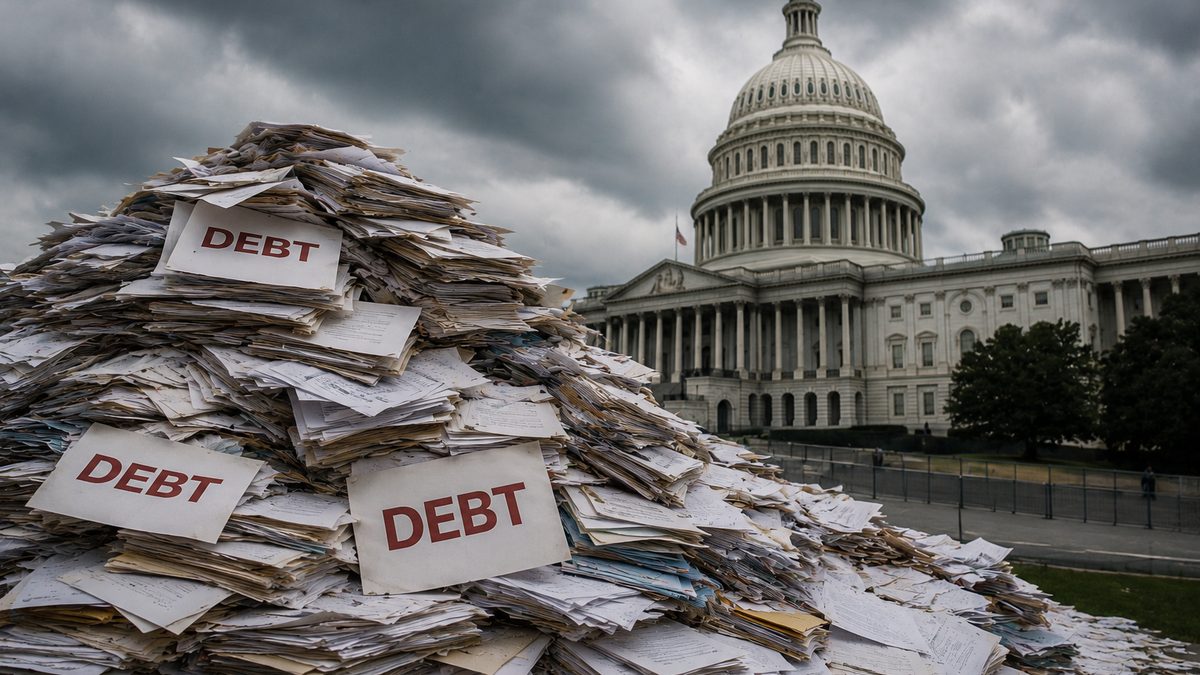
House lawmakers used a discharge petition to force action on Ukraine support legislation. Editorial illustration by TheDailyGlobe.
Key Facts
- The House Clerk listed Roll Call No. 200 on H. Res. 518, a discharge motion related to H.R. 2913, as passed with 218 yeas.
- The Associated Press reported that the Ukraine package seeks more than $1 billion in security and reconstruction aid.
- AP reported that the bill would make another $8 billion available through loans.
- AP reported that supporters forced action by gathering 218 signatures on a discharge petition.
- AP reported that Republican leaders opposed the bill.
Most House bills never reach the floor unless party leadership allows them to get there. On Ukraine aid, a narrow majority of lawmakers used a rarely successful procedural path to change that.
The House Clerk listed Roll Call No. 200 on H. Res. 518, a motion to discharge related to H.R. 2913, as passed with 218 yeas. The vote moved forward after supporters gathered enough signatures on a discharge petition, a tool that lets lawmakers force action on a measure even when leadership does not bring it up.
The issue is not only whether Congress sends more support to Ukraine. It is also about who controls the House agenda when enough members want a vote that leaders oppose.
How the Vote Reached the Floor
A discharge petition is one of the House's pressure valves. It allows a majority of members to move a bill forward without waiting for committee action or leadership approval. It is not easy to use because it requires 218 signatures, meaning supporters must assemble a majority in public.
That is what made the Ukraine aid vote notable. According to AP, supporters gathered the 218 signatures needed to force action. The official House record then showed the discharge motion passing with 218 yeas.
For readers who do not follow House procedure closely, the plain-English point is simple: enough members wanted a vote badly enough to go around leadership. That does not happen casually. It usually signals a split between the formal power of leaders and the practical power of a House majority.
What the Ukraine Package Would Do
AP reported that the legislation seeks more than $1 billion in security and reconstruction aid for Ukraine and would make another $8 billion available through loans. Those figures describe both direct support and a financing structure that could shape how future aid is framed.
The vote comes as U.S. support for Ukraine remains a contested issue in Congress. Some lawmakers argue continued support is needed as Ukraine defends itself against Russia. Others question the cost, oversight, duration, or priority of additional aid. This article does not resolve that policy fight, but the House action shows that enough lawmakers were willing to force a vote despite leadership resistance.
Why Procedure Matters Here
Congressional procedure can sound like inside baseball until it changes what actually happens. In this case, the discharge petition mattered because it turned a blocked or stalled measure into a House vote.
That matters for foreign policy because Congress controls spending. Presidents conduct foreign policy, but lawmakers decide whether to authorize or fund many parts of it. When the House is divided, the rules that determine what can reach the floor can become as important as the arguments over the policy itself.
Republican leaders opposed the bill, according to AP. The successful discharge push therefore showed a break between leadership's preferred agenda control and a majority willing to move the Ukraine measure anyway.
What Is Still Unclear
The next steps are not settled. It remains unclear whether the Senate will take up or pass the measure. It is also unclear whether the White House will support the package, oppose it, or seek changes.
Those open questions matter because House action alone does not make the package law. Any final path would depend on Senate action and the president's position. The bill text, timing, and possible negotiations could also affect what survives beyond the House.
What to Watch Next
The next signs to watch are whether Senate leaders schedule action, whether House leadership negotiates around the package, and whether the White House states a position. Those steps will show whether the House vote becomes the start of a broader aid push or a procedural win that stalls after leaving the chamber.
For voters, the larger lesson is about power inside Congress. Leadership usually controls the floor, but not always. When a majority uses the rules to force a vote, procedure stops being background noise and becomes part of the story.
Reporting note: Reporting draws on official House vote records, House discharge petition records, Associated Press reporting, and reviewed background materials. This article was produced with AI-assisted research and reviewed by an editor before publication.