The Disappearing Art of Being a Regular
For generations, people built community through the ordinary habit of showing up in the same places. As social connections change, becoming a familiar face has become less common.
Save Article
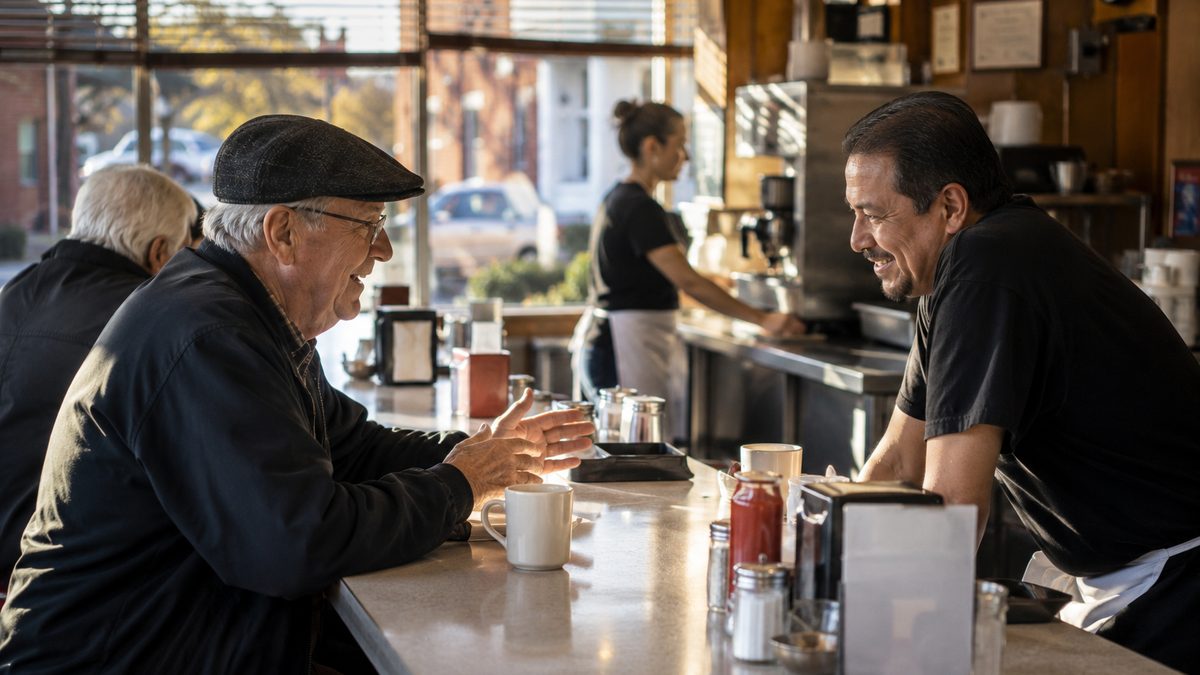
Small businesses often serve as gathering places where familiarity grows through everyday routines. Editorial illustration by TheDailyGlobe.
Key Facts
- Research has documented lower levels of social connection among many Americans compared with past generations.
- Repeated interaction is one of the simplest ways people build familiarity and trust.
- Small businesses often serve as informal gathering places within communities.
- Many daily activities have shifted online or become more transactional.
- Regular routines can create social connections without requiring close friendships.
There was a time when many people had a place where they did not need to introduce themselves. The waitress already knew how they liked their coffee. The barber remembered their last haircut. The bookstore owner knew which authors they enjoyed. Even brief conversations felt a little easier because familiarity had already done part of the work.
Those places still exist, but for many Americans they have become less common. As daily life grows busier, more digital, and often more mobile, the simple experience of becoming a regular somewhere has quietly faded.
What may seem like a small cultural shift reflects something larger: fewer opportunities to build the kind of casual relationships that once connected people to their communities.
Why Familiar Faces Matter
Most relationships do not begin as deep friendships. They start with recognition. A nod from across the room. A familiar greeting. A short conversation that becomes slightly longer over time.
Researchers who study social connection have long noted that repeated interaction helps people develop trust and comfort with one another. Not every relationship becomes meaningful, but familiarity lowers barriers that can make communities feel anonymous.
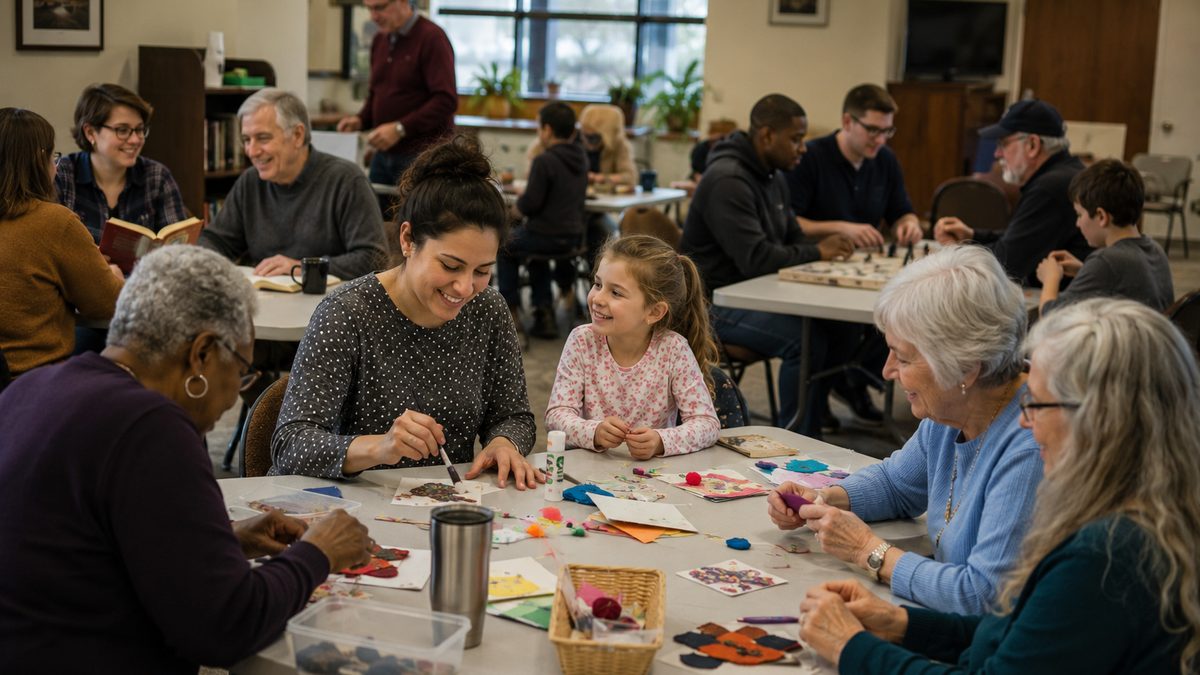
Being a regular creates those opportunities naturally. No networking event is required. No organized activity is necessary. People simply keep showing up, and over time they become part of the place.
How Daily Life Changed
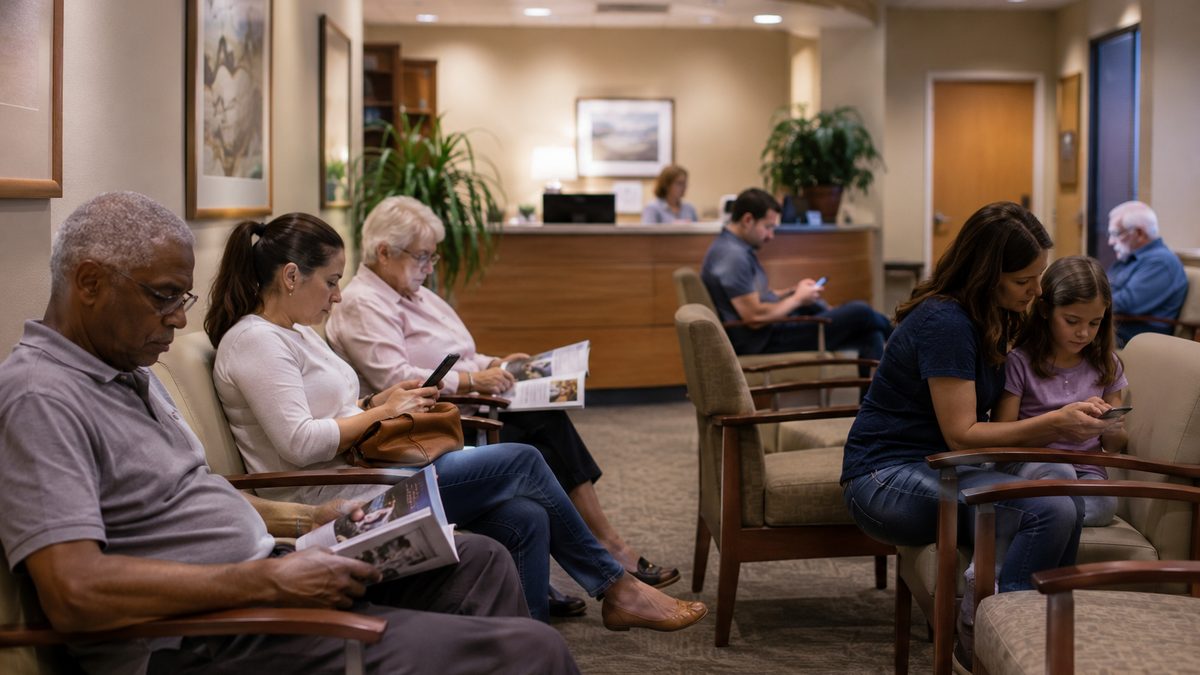
Many of the routines that once encouraged these interactions have changed. Online shopping has reduced visits to local stores. Remote work has altered daily commuting patterns. Food delivery services can eliminate trips to restaurants or coffee shops. Even entertainment increasingly happens at home.
None of those changes are inherently negative. Many save time, increase convenience, or provide flexibility. Yet convenience can sometimes remove small opportunities for human connection that people did not realize they were losing.
Someone who orders everything online may accomplish the same practical tasks as someone who shops locally. What disappears are the brief conversations and familiar faces that often came with those errands.
The Role of Small Businesses
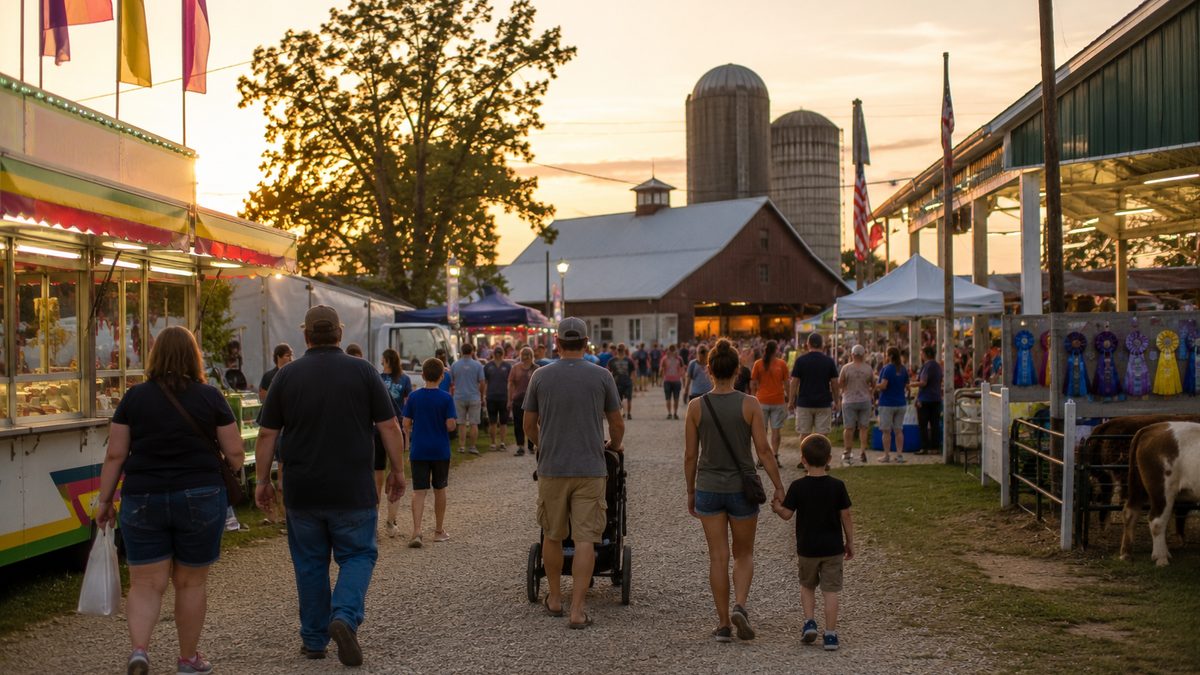
Local businesses frequently play a larger role than simply selling products or services. Diners, coffee shops, barbershops, bookstores, hardware stores, and similar places often become informal community spaces.
Employees learn names. Customers recognize one another. Local news gets exchanged. Recommendations are shared. People who might never meet elsewhere find themselves part of the same routine.
Business owners often describe these relationships as one of the most rewarding parts of serving a neighborhood. A regular customer is not just another transaction. They become part of the daily rhythm of the business.
What Gets Lost When Nobody Knows Your Name
The decline of becoming a regular is not simply about nostalgia. It touches a broader question about belonging.
Most people want to feel that they matter somewhere outside their immediate family and close friends. Being recognized by familiar faces can provide a small but meaningful sense of connection. It reminds people that they are part of a community rather than moving anonymously through it.
These relationships are often modest. The coffee shop employee may know only a first name. The barber may know a few stories about someone's family. Yet these lighter social ties can still contribute to a feeling of being connected to the world around us.
Can the Trend Be Reversed?
There is no simple way to recreate older patterns of community life, and not everyone wants the same level of social interaction. Still, becoming a regular does not require dramatic changes.
It can begin with something as simple as visiting the same coffee shop once a week, browsing the same bookstore, eating breakfast at the same diner, or supporting a neighborhood business often enough for faces to become familiar.
The larger lesson may be that community is rarely built through grand gestures. More often, it grows through repetition. People see one another, recognize one another, and gradually develop trust. In a world that increasingly emphasizes speed and convenience, the disappearing art of being a regular offers a reminder that sometimes belonging starts with simply showing up again tomorrow.
Reporting note: Reporting draws on Survey Center on American Life research, Pew community research, local business association reporting, and reviewed background materials. This article was produced with AI-assisted research and reviewed by an editor before publication.