House Delay Leaves Iran War Powers Fight Unresolved
A delayed House vote leaves a larger constitutional question unsettled: how far the president can go in Iran-related military action without Congress.
Save Article
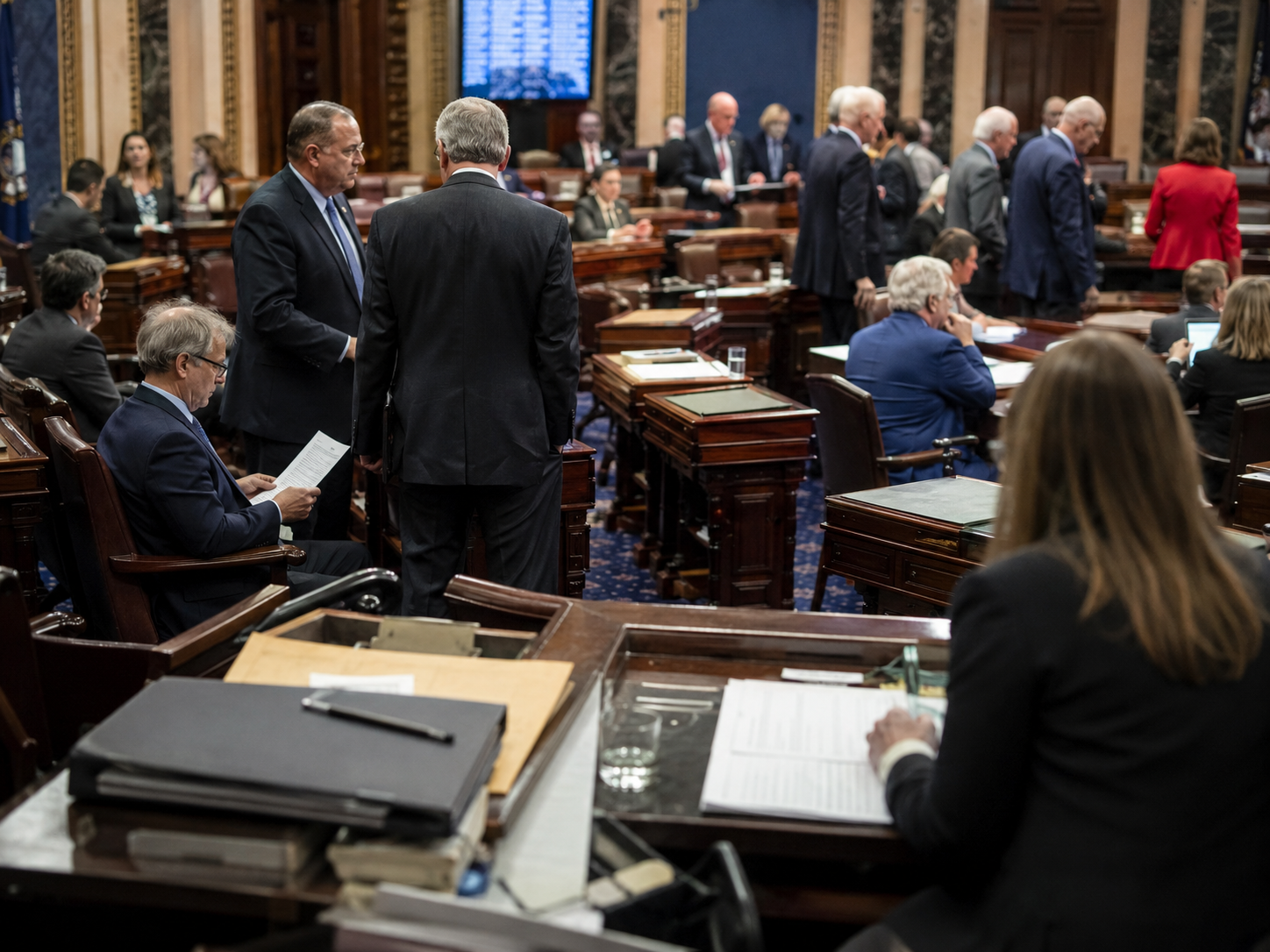
Editorial illustration by TheDailyGlobe.
Key Facts
- House Republican leaders delayed or canceled a scheduled vote on a war powers resolution related to U.S. military action involving Iran.
- The measure would have sought to limit or end U.S. military involvement without congressional authorization.
- Reporting said some Republicans had been expected to support the measure, creating risk that it could pass if brought to the floor.
- A similar debate has been active in the Senate.
- It remains unclear whether the House will hold the vote after recess or whether any final measure could overcome a presidential veto.
House Republican leaders delayed or canceled a scheduled vote on a war powers resolution tied to U.S. military action involving Iran, leaving Congress’s role in the dispute unresolved heading into recess.
The measure would have sought to limit or end U.S. military involvement without congressional authorization. Reporting from The Guardian and The Wall Street Journal said the vote was pulled after it became clear some Republicans were expected to support the resolution, creating the possibility that it could pass if brought to the floor.
For readers, the issue is bigger than one delayed vote. War powers fights are about who gets to decide when the United States uses military force: the president, who commands the armed forces, or Congress, which has constitutional power over declaring war and authorizing military action.
What the Resolution Was Meant to Do
War powers resolutions are designed to force a public decision on military action. They can require lawmakers to go on record about whether U.S. forces should continue in a conflict or military operation when Congress has not clearly authorized it.
In this case, the House measure centered on U.S. military involvement connected to Iran. The resolution would not have settled every question about foreign policy or military strategy. Its core purpose was narrower: to test whether Congress would formally try to limit or end involvement absent authorization from lawmakers.
That distinction matters. Congress often debates foreign policy in broad terms, but war powers measures are procedural tools with practical consequences. They can force votes, pressure the White House, and make clear whether lawmakers are willing to assert Congress’s authority over military action.
Why the Vote Was Delayed
The public explanations and political accusations differ. Democrats accused House Republican leadership of avoiding a vote that could be politically damaging. Republican leaders cited procedural or attendance-related reasons in reporting.
The safest confirmed point is that the vote did not move forward as scheduled. Reporting also said some Republicans were expected to support the measure. That mattered because support from members of the president’s own party could have made the vote harder for leadership to manage.
The delay does not end the debate. It pushes the fight forward, possibly until after the House returns from recess. Until then, lawmakers have not resolved whether the chamber will directly challenge or limit the administration’s authority on Iran-related military action.
Why Congress’s Role Matters
The Constitution gives Congress and the president different powers over war. Presidents direct the military as commander in chief. Congress controls declarations of war, funding, and authorization. In modern conflicts, that line has often been tested.
War powers debates are one way lawmakers try to reclaim or define their role. The question is not only whether members support or oppose a particular president’s policy. It is whether Congress is willing to require a vote before U.S. military involvement continues or expands.
That is why delayed votes matter. When Congress does not vote, the public gets less clarity about where lawmakers stand. A delay can also leave the president with more room to act while lawmakers argue over process, timing, and political risk.
What Remains Unresolved
The first unresolved question is whether the House will hold the vote after recess. If leadership brings the measure back, lawmakers will have to decide whether to support a limit on military involvement or back the administration’s authority.
The second question is whether any final measure could survive the rest of the process. Even if a war powers resolution passed the House and Senate, it could still face a presidential veto. Overriding a veto would require support that is difficult to assemble, especially on a national-security issue tied closely to the White House.
The Senate debate also matters. A similar war powers fight has been active there, meaning the issue is not limited to House procedure. If both chambers continue pressing the question, Congress may have to decide whether it is making a symbolic statement, setting a legal boundary, or trying to force a direct confrontation with the president over military authority.
What Readers Should Watch Next
The next test is the House schedule. Official floor activity will show whether leadership brings the resolution back, changes the timing, or lets the issue fade.
Readers should also watch whether Republican support for the measure grows, shrinks, or stays limited. Cross-party support is what can turn a war powers resolution from a message vote into a real institutional challenge.
For now, the House delay leaves the central question unanswered. Congress has not settled whether it will assert its war powers over Iran-related military action, and the administration’s authority remains the issue lawmakers will have to confront when the debate returns.
Reporting note: Reporting draws on congressional process reporting, official House floor materials, major national reporting, and reviewed background materials. This article was produced with AI-assisted research and reviewed by an editor before publication.