Georgia Runoffs Turn Senate and Governor Races Into Overtime Campaigns
Republican runoffs in Georgia will keep both a Senate race and an open governor contest unsettled as the 2026 midterm map takes shape.
Save Article
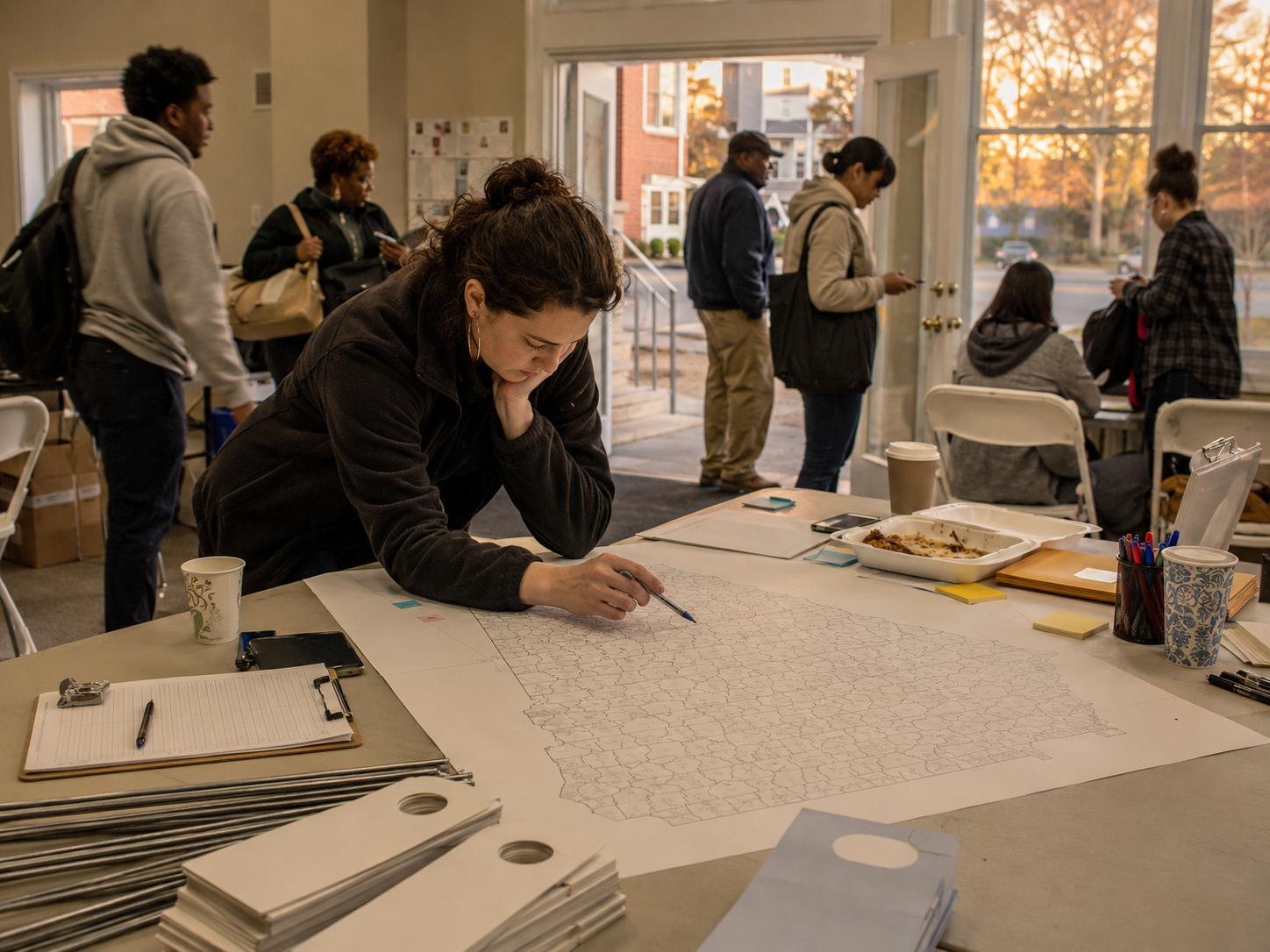
Republican runoffs in Georgia will keep both a Senate race and an open governor contest unsettled as the 2026 midterm map takes shape. Editorial illustration by TheDailyGlobe.
Key Facts
- AP reported Georgia Republicans are headed to runoffs in both the U.S. Senate and governor races after no candidate won outright.
- Derek Dooley and Rep. Mike Collins advanced to the Republican Senate runoff.
- The Senate runoff winner is set to face Democratic Sen. Jon Ossoff.
- Lt. Gov. Burt Jones and Rick Jackson advanced to the Republican runoff for governor.
- AP’s election calendar lists Georgia runoff timing as part of the 2026 primary calendar.
Georgia Republicans are headed into runoffs for both U.S. Senate and governor, keeping two of the state’s biggest 2026 races unresolved after no candidate won outright.
The Associated Press reported that Derek Dooley and Rep. Mike Collins advanced to a Republican runoff in the Senate race. The winner will face Democratic Sen. Jon Ossoff. In the governor race, Lt. Gov. Burt Jones and Rick Jackson advanced to a Republican runoff.
For readers outside Georgia, the runoff matters because it keeps a major Senate race and an open governor contest in motion at the same time. Georgia is not just picking nominees. It is helping shape the national midterm map before the general election campaign fully settles.
Why Georgia Is Still Unsettled
A runoff means the first round did not produce a final nominee. Instead of moving straight into the general election matchup, candidates have to keep campaigning through another contest.
That changes the rhythm of the race. Campaigns have to raise more money, keep supporters engaged, sharpen their arguments, and decide whether to broaden their appeal or focus on the voters most likely to return for a runoff.
The Senate race has national importance because Ossoff’s seat is part of the broader fight for Senate control. The governor race matters because it is an open contest in a state that has become central to modern national politics.
The Senate Race Keeps National Attention on Georgia
In the Senate runoff, Dooley and Collins now have to compete for the Republican nomination before either can turn fully toward Ossoff. The source material confirms who advanced and who the winner will face, but it does not support predictions about who has the advantage.
That restraint matters. Runoffs can reward organization, name recognition, money, endorsements, or turnout, but the outcome is not automatic. Voters who participated in the first round may not all return, and candidates who fell short may see their supporters move in different directions.
For national Republicans, the runoff delays final alignment behind one Senate nominee. For Democrats, it gives Ossoff more time to watch how the Republican contest develops before the general election matchup is set.
The Governor Race Adds Another Layer
The governor runoff between Jones and Jackson adds a second major Republican contest to the state’s calendar. An open governor race can draw heavy attention because no incumbent is defending the seat in the same way a sitting officeholder would.
That can make the campaign more fluid. Candidates have to define themselves, build coalitions, and compete for voters who may be hearing more about the race as the runoff approaches.
The Senate and governor runoffs also interact with each other. They may draw different kinds of voters, campaign spending, endorsements, and media attention, but both contests are happening inside the same state political environment.
What Remains Unresolved
The basic unanswered question is who will win each runoff. Until that is settled, Georgia’s general election matchups remain incomplete.
It also remains unclear how the runoff campaigns will affect party unity, fundraising, and candidate positioning for the general election. A short runoff can force candidates to make choices quickly, especially when the broader midterm calendar keeps moving.
The safest takeaway is simple: Georgia is in overtime. Two major Republican nominations are still undecided, and the results will help determine how one of the country’s most watched states fits into the 2026 midterm fight.
Reporting note: Reporting draws on wire reporting, primary results, election-calendar materials, and reviewed campaign context. This article was produced with AI-assisted research and reviewed by an editor before publication.