Congressional Retirements Add Volatility to the Midterm Map
Open seats can change campaign strategy before voters cast ballots, especially in a House environment shaped by turnover, fundraising, and primary calendars.
Save Article

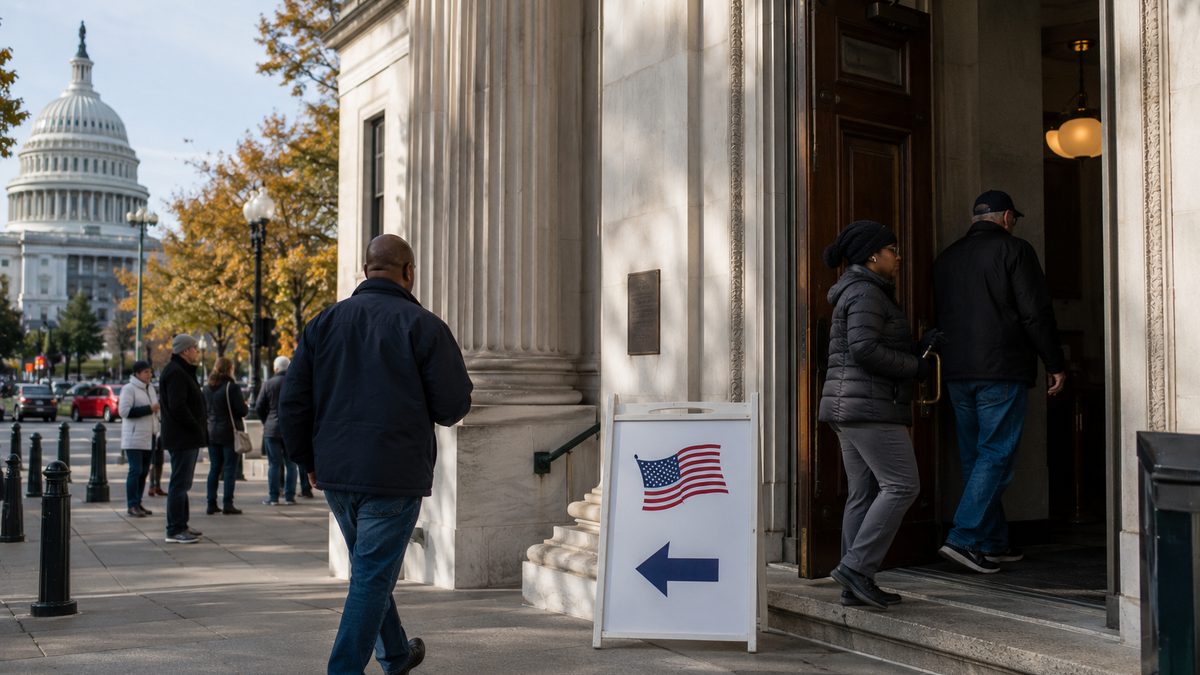
Open seats can change campaign strategy before voters cast ballots, especially in a House environment shaped by turnover, fundraising, and primary calendars. Editorial illustration by TheDailyGlobe.
Congressional retirements are adding another layer of uncertainty to the 2026 midterm map.
AP’s congressional retirements tracker said 59 current House representatives will not be back next term as of May 22, 2026. AP said that figure excludes members who resigned or died and whose seats will be filled before the general election.
For readers, the point is not to predict which party will win a seat. It is to understand why open seats can matter before campaigns fully take shape. When a sitting member leaves, the race often changes for candidates, donors, parties, and voters.
Why Open Seats Matter
Incumbency is one of the most durable advantages in House races. Sitting members usually have name recognition, existing donor networks, local relationships, and campaign organizations already in place. When that advantage disappears, more candidates may see a real opening.
That can change party strategy. National committees may spend more time recruiting candidates, protecting vulnerable districts, or trying to turn an open seat into a pickup opportunity. Local primaries can also become more crowded when no incumbent is standing in the way.
Money and Timing Shape the Field
FEC materials provide campaign finance context for the 2025-2026 election cycle, while AP’s election calendar tracks primary and general election dates across states. Together, those pieces help show why timing matters. A retirement announced early gives candidates more time to raise money and organize. A later departure can compress the race.
Ballotpedia also tracks congressional retirements by month and cycle, giving the current turnover a longer historical frame. That context matters because retirements are not rare, but clusters of open seats can still reshape the national map.
What Remains Unclear
It remains unclear how many open seats will be truly competitive by November. Some districts may strongly favor one party even without an incumbent. Others may become serious battlegrounds depending on candidate quality, fundraising, redistricting, local issues, and national conditions.
More turnover is also possible. Additional members could retire, lose renomination, or resign before the general election. For now, congressional retirements are a quiet but important force shaping the midterm environment before most voters begin paying close attention.
Reporting note: Reporting draws on congressional turnover tracking, election-calendar materials, campaign finance records, and reviewed election context. This article was produced with AI-assisted research and reviewed by an editor before publication.