Commerce Dept signs AI testing deals with Google DeepMind, Microsoft and xAI
The Commerce Department’s NIST unit says new, voluntary agreements will let government teams evaluate unreleased “frontier” AI models—including in classified settings—for national-security and public-safety risks.
Save Article
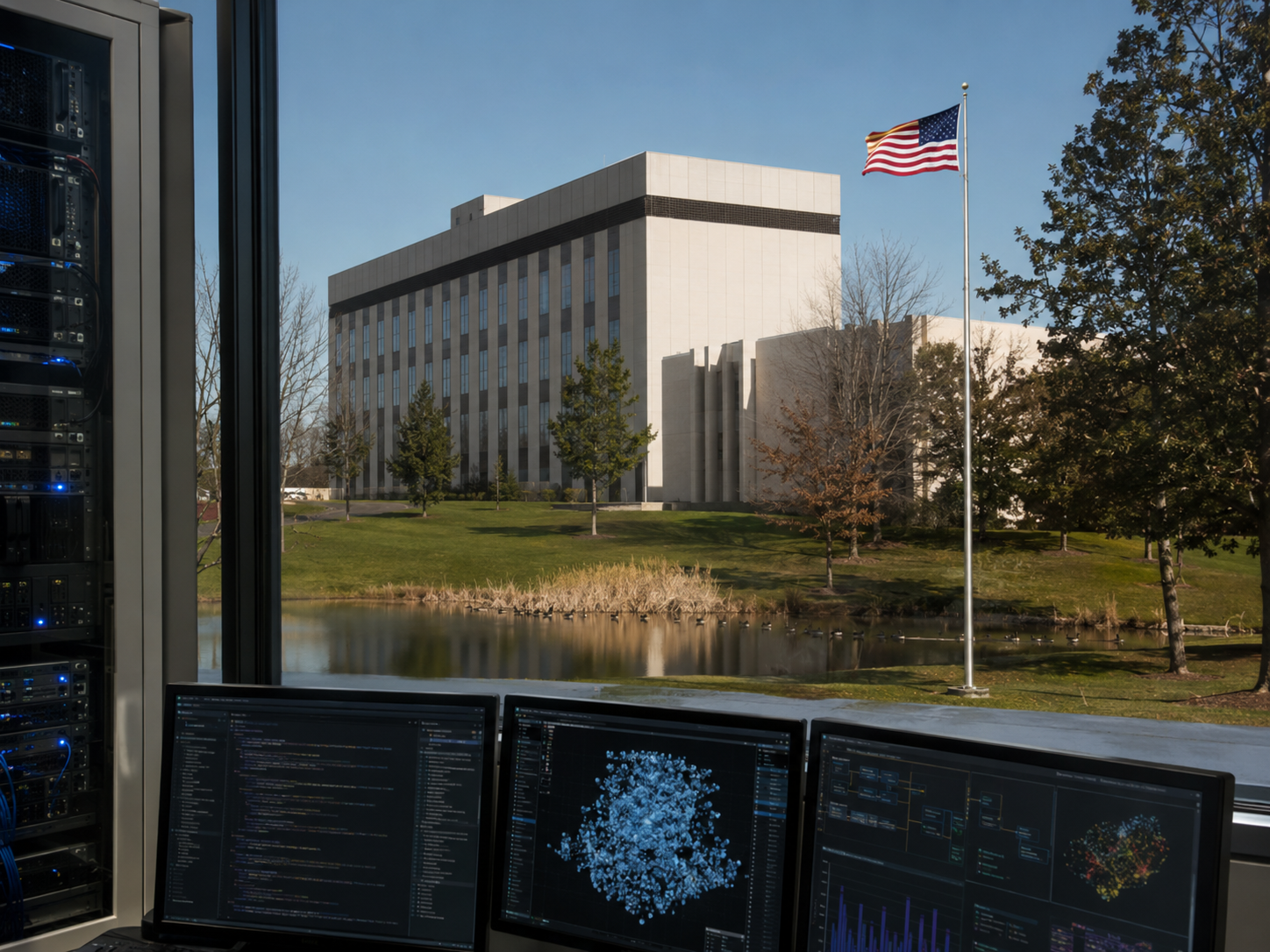
The Commerce Department’s NIST unit says new, voluntary agreements will let government teams evaluate unreleased “frontier” AI models—including in classified settings—for national-security and public-safety risks. Editorial illustration by TheDailyGlobe.
Key Facts
- NIST’s CAISI announced agreements on May 5 with Google DeepMind, Microsoft and xAI for pre-deployment evaluations of frontier AI models focused on national-security and public-safety risks.
- Under the agreements, government evaluators can examine unreleased models, including versions with reduced safeguards, in both classified and unclassified environments, according to the agency.
- CAISI said it has completed more than 40 evaluations to date and will continue coordinating with interagency task forces on national-security assessments.
- Participation is voluntary and expands industry–government testing infrastructure; the agreements do not create new regulatory requirements.
- The move outlines how the executive branch intends to assess high-capability AI systems before broad release, agency materials indicate.
The Commerce Department’s National Institute of Standards and Technology said on May 5 that its Center for AI Standards and Innovation (CAISI) has signed agreements with Google DeepMind, Microsoft and xAI to conduct pre-deployment evaluations and targeted research on high-capability, or “frontier,” AI models. The arrangements are designed to let government evaluators assess national-security and public-safety risks before those systems are broadly released, the agency said, expanding a voluntary testing infrastructure between federal experts and leading AI labs.
Pre-deployment evaluations, as described by CAISI, give federal evaluators controlled access to unreleased AI systems to probe capabilities and look for risk patterns that may not show up during standard product testing. The agency said testing can include work with model versions that have reduced safeguards to see how systems behave under stress and whether that behavior could create national-security or public-safety concerns once the technology reaches more users.
The agreements allow those exercises to take place in classified and unclassified settings. That matters because some risk scenarios—especially those with national-security implications—require secure handling of sensitive information. By creating channels for both secure and open testing, CAISI says it can better match the evaluation environment to the kind of question being asked.
CAISI also said it has completed more than 40 evaluations so far, signaling that the government has already been building and running tests on a range of systems. The new agreements with Google DeepMind, Microsoft and xAI extend that activity and establish a clearer path for assessing models before major releases, rather than only after systems are public and widely used.
Coordination with interagency task forces is a central feature, according to the agency. National-security assessments typically involve multiple departments and expertise areas. CAISI’s role, as NIST describes it, is to help structure the testing, generate consistent measurements, and feed those results to the relevant federal teams that handle risk review and response.
The participation of three prominent AI developers suggests growing industry willingness to let federal experts examine unreleased technology in a controlled way. Reporting from Axios and The Guardian characterized the development as part of a broader administration focus on AI safety, with the Commerce Department and NIST taking a lead on the technical evaluation side while policy discussions continue elsewhere in the executive branch.
It is important to note what these agreements are—and are not. CAISI described them as voluntary arrangements that expand testing infrastructure and access. They do not stand in for regulation, do not by themselves impose legal obligations on companies, and do not dictate product decisions. Instead, they create a venue where federal evaluators and companies can identify potential hazards and mitigation ideas ahead of public deployment.
For developers and businesses building on top of advanced models, the practical takeaway is straightforward: the federal government is setting up more systematic ways to examine powerful AI systems before they scale to the public. Companies that choose to participate should expect controlled requests for model access so evaluators can run targeted tests and share results with national-security partners.
For the public, the approach offers a clearer line of sight into how the executive branch plans to check advanced AI systems for safety issues before they hit the market. While the details of specific tests—especially those in classified settings—won’t be public, the agency’s disclosure of the program’s scope, participating companies, and the number of evaluations completed offers a baseline for tracking progress.
What comes next will depend on how evaluations translate into mitigations and how many additional developers opt in. CAISI’s plan to keep coordinating with interagency task forces suggests the findings will feed into broader national-security reviews. For now, the message from the agency is that the federal government and major AI labs have agreed on a structured, pre-release window for testing frontier models—an incremental but concrete step toward safer deployment.
Reporting note: Reporting draws on official statements from NIST/CAISI and reputable reporting from Axios and The Guardian. This article was produced with AI-assisted research and reviewed by an editor before publication.