We Should Stop Acting Like Earnestness Is Embarrassing
A culture that mocks every sincere public good deed will not become wiser. It will become colder.
Save Article

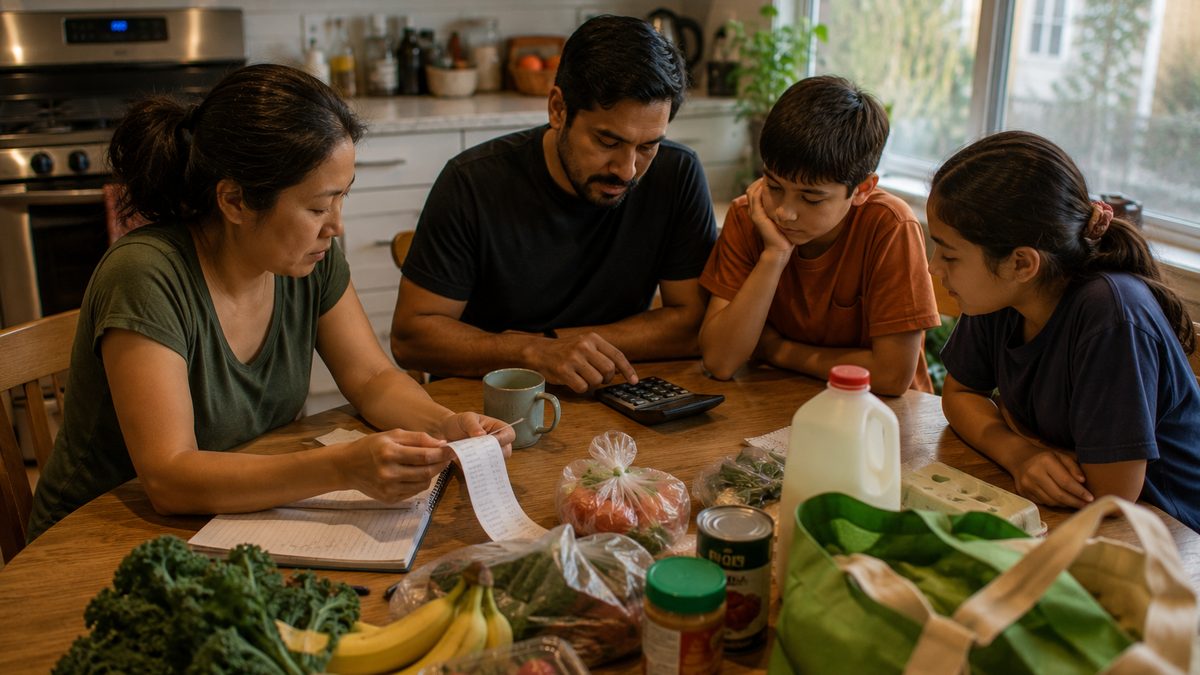
Public generosity can be imperfect without becoming something people should automatically mock. Editorial illustration by TheDailyGlobe.
Somewhere along the way, being publicly sincere became risky.
Not risky in the grave sense. Risky in the modern internet sense: someone might call it cringe, accuse it of being performative, clip it out of context, or decide that any visible act of kindness must secretly be branding.
That suspicion did not come from nowhere. Public generosity can be self-serving. Charity can become reputation management. A viral campaign can turn into a stage for people who care more about being seen doing good than doing good itself.
But skepticism was supposed to help us spot fraud, vanity, and manipulation. It was not supposed to train us to sneer at earnestness itself.
Sincerity Became Too Easy to Mock
Vox recently examined how generosity became easier to dismiss as embarrassing or performative, especially online. The argument lands because many people have felt the shift. Public acts of kindness now often arrive with a defensive layer around them.
People want to help, but they also know the comments section is waiting. Post about a cause, and someone may ask why you needed attention. Stay quiet, and someone may ask why you said nothing. Give publicly, and you risk being vain. Give privately, and the public never sees generosity modeled at all.
That is a bad bargain. A culture that treats public goodness as suspicious by default will not get more humility. It will get less visible goodness.
There is a difference between questioning motives and punishing sincerity. We have gotten pretty good at the first. We may be overdoing the second.
The Ice Bucket Challenge Proved Visible Good Can Matter
The Ice Bucket Challenge remains the obvious example of viral generosity producing real-world results. It was goofy. It was public. It was performative in the literal sense that people performed an act on camera and asked others to join in.
It was also a major fundraising and awareness campaign for ALS. The ALS Association has treated the original campaign as an important moment for awareness and research support, and newer versions of the challenge have returned around mental health, showing that the format still has cultural power.
Was every participant perfectly informed? Probably not. Did some people enjoy the attention? Of course. Human beings are complicated. Sometimes they do a decent thing for mixed reasons. That does not make the decent thing worthless.
If we demand pure motives before allowing public generosity, we will mostly end up with silence. People rarely arrive at goodness with spotless intentions. They arrive with pride, fear, compassion, guilt, humor, peer pressure, curiosity, and hope all tangled together.
The question should not always be, who benefited socially from being seen? Sometimes the better question is, did the good thing still help?
Skepticism Should Not Become Contempt
There are fair reasons to be suspicious of some public charity. Money can be misused. Celebrities and companies can borrow moral glow from causes they barely understand. Influencers can treat suffering like a backdrop. Public giving can become status signaling, reputation laundering, or a way to avoid deeper responsibility.
Those things deserve scrutiny. Fraud should be exposed. Manipulation should be called out. Causes should be transparent about where money goes and what they are asking people to do.
But contempt is different from scrutiny. Contempt starts with the assumption that sincerity is fake until proven otherwise. It looks at a person trying to care in public and reaches first for the eye roll.
That habit does damage. It makes people smaller. It teaches them to hide the better parts of themselves unless they can make those parts look ironic, detached, or safely cool.
A Better Rule for Public Good
The better rule is simple: mock fraud, vanity, and manipulation. Do not mock every act of visible generosity.
We need room again for people to be openly decent without immediately being treated like fools. That does not mean every campaign is noble. It does not mean every viral cause is wise. It does mean a healthy culture should be able to tell the difference between healthy skepticism and automatic cynicism.
There is something quietly destructive about making sincerity embarrassing. It does not make people smarter. It makes them more guarded. It turns public life into a room where everyone knows the right pose is to care, but not too visibly.
That is no way to build anything generous.
People should still ask questions. They should check where money goes. They should be wary of moral theater. But they should also leave space for the possibility that someone posting about a cause, joining a challenge, donating publicly, or asking friends to help may simply mean it.
A culture that cannot tolerate earnestness will not become more honest. It will become colder. And that would be a strange price to pay just to avoid looking uncool.
Reporting note: Reporting draws on public records, official statements, reputable reporting, and reviewed background materials used to ground the argument. This article was produced with AI-assisted research and reviewed by an editor before publication.