Grocery Bills Are Not Just an Inflation Statistic
A better inflation chart may be good news, but it does not automatically erase the tradeoffs many families still make at the grocery store each week.
Save Article
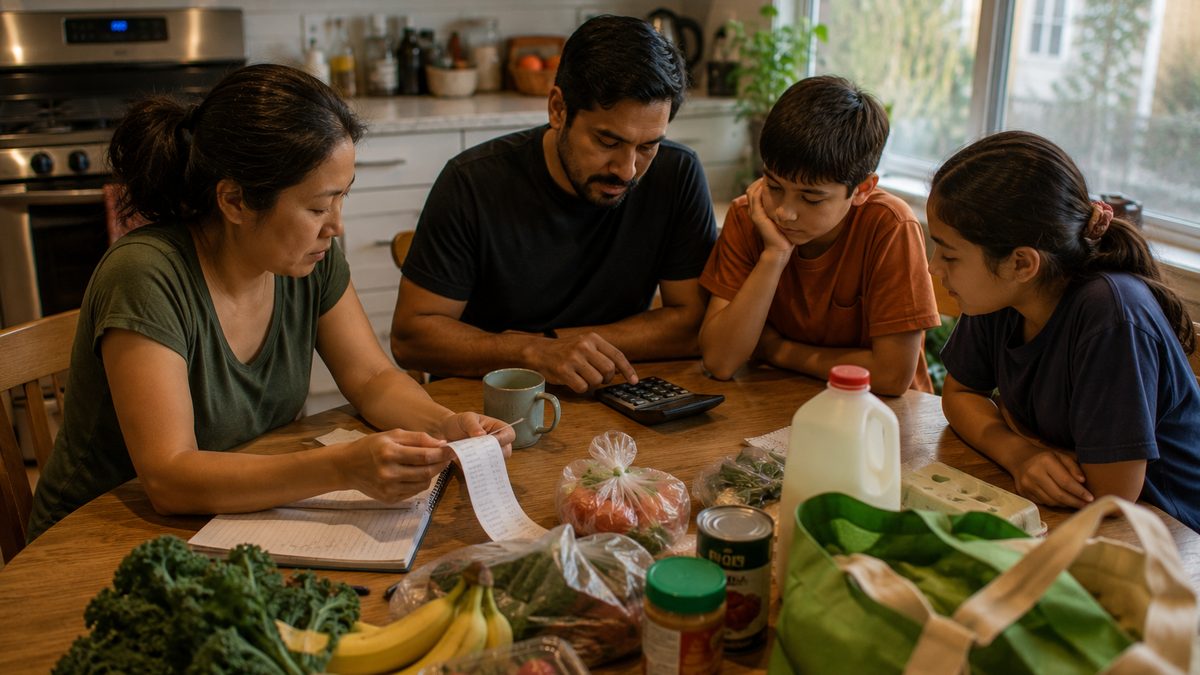
Families experience food prices as tradeoffs, not as tidy monthly statistics. Editorial illustration by TheDailyGlobe.
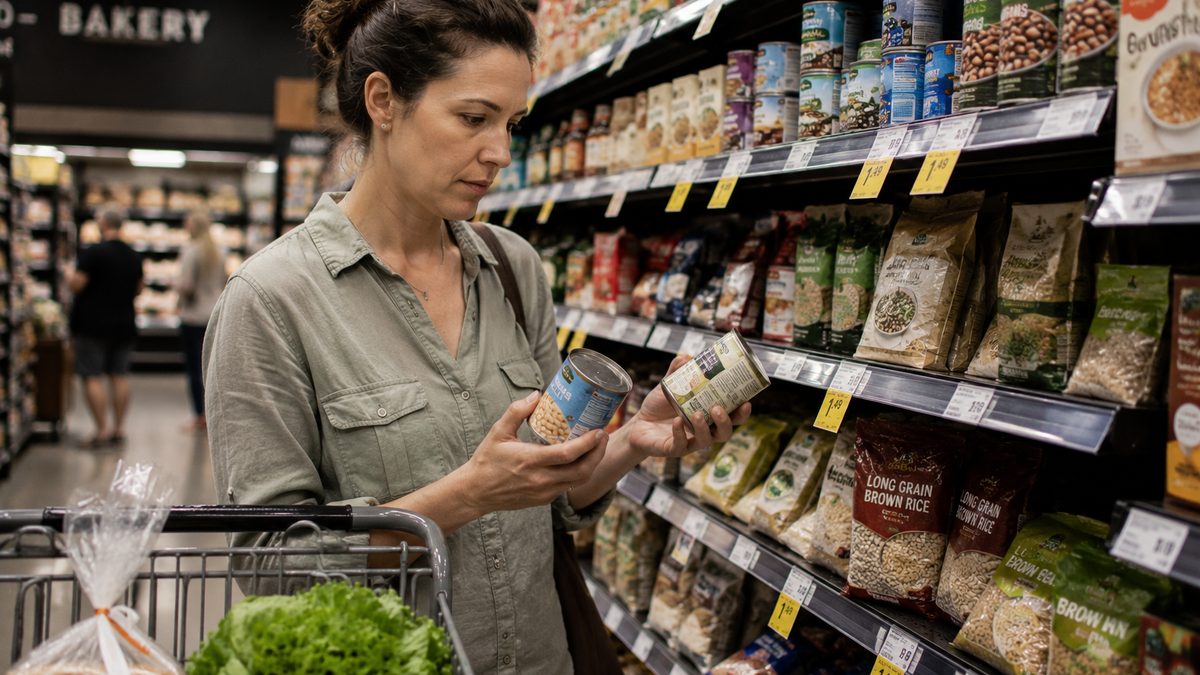
A family does not experience inflation the way an economist does. They experience it while standing in a grocery aisle deciding whether to put something back on the shelf. They experience it while comparing brands they never used to compare. They experience it at the kitchen table when a grocery receipt becomes part of a larger conversation about rent, gas, school expenses, and everything else competing for the same paycheck.
That is why public discussions about food prices often feel disconnected from everyday life. Officials, campaigns, and commentators frequently talk about inflation as a chart, a percentage, or a monthly report. Families experience it as a series of tradeoffs.
The latest data offer a useful example. The Bureau of Labor Statistics reported that the food index rose 0.2 percent in May 2026 after increasing 0.5 percent in April. The food-at-home index, which tracks groceries, rose 0.1 percent in May. Those figures suggest that food inflation has cooled compared with some of the sharper increases Americans experienced in recent years.
The Numbers Matter, But So Does Context
The data should not be ignored. If food-price increases are slowing, that is real information and potentially welcome news for households. Policymakers and journalists should acknowledge improvements when they occur.
But there is a difference between slower price growth and lower prices. A grocery bill that rose significantly over several years does not suddenly feel affordable because the next monthly increase was smaller. Families are paying today's prices, not yesterday's inflation rate.
This is one reason conversations about the economy sometimes seem to miss each other. One person points to data showing improvement. Another points to a grocery receipt that still feels painful. Both may be describing something real.
Household Pressure Is Cumulative
Food rarely exists as a standalone expense. Households do not budget for groceries in isolation. They balance food against housing costs, transportation, utilities, healthcare, childcare, and dozens of other obligations.
Research and analysis from Purdue University have noted that cumulative food inflation and ongoing uncertainty continue to place pressure on lower-income households. Feeding America continues tracking food insecurity across states and local communities because the need for assistance remains a reality in many areas.
That does not mean every family is struggling equally. Household experiences vary widely by income, geography, family size, and spending habits. But it does mean that broad economic messaging should be careful about assuming that a better trend line automatically translates into relief for everyone.
The Problem With Cherry-Picked Economic Narratives
This is where both political sides sometimes fall short. Some voices treat every grocery price increase as proof that the economy is collapsing. Others point to improving statistics and suggest concerns are overblown.
Neither approach serves the public particularly well. Exaggeration creates unnecessary anxiety. Dismissal creates resentment.
The healthier approach is also the less dramatic one. Food inflation has cooled from some of its worst levels. That is true. Many households still feel financial pressure at the grocery store. That is also true.
The challenge for leaders is learning how to communicate both realities at the same time. People tend to lose trust when they feel their lived experience is being argued away by selective statistics.
What Honest Communication Looks Like
Government agencies such as the USDA Economic Research Service continue publishing food-price outlooks because forecasting remains uncertain. Food prices can still be affected by weather conditions, energy costs, transportation expenses, labor markets, and agricultural supply issues. Nobody knows exactly how those factors will shape grocery costs through the rest of 2026.
That uncertainty is not a reason for panic. It is a reason for humility. Economic conditions are complicated enough without turning every monthly report into either a victory lap or a crisis declaration.
Public trust grows when leaders explain what the data show, what the data do not show, and why households may experience economic conditions differently than headline statistics suggest.
What Readers Should Watch Next
The most useful indicators in the coming months may not be a single inflation number. Readers should watch grocery prices alongside wages, rent, transportation costs, and local measures of food insecurity. Household finances are shaped by the combination of those pressures, not by any one category alone.
The larger point is simple. Grocery bills are not just an inflation statistic. They are one of the most direct ways people experience the economy. Public officials, institutions, and commentators should talk about them with the same honesty families bring to their kitchen tables. Better numbers deserve recognition. Real household pressure deserves recognition too. Ignoring either one makes it harder to understand what people are actually living through.
Reporting note: Reporting draws on official economic data, government food-price forecasts, research analysis, nonprofit food insecurity data, and reviewed background materials used to ground the argument. This article was produced with AI-assisted research and reviewed by an editor before publication.