Why Potluck Dinners Still Bring People Together in an Age of Delivery Apps
Long before food delivery apps and restaurant chains became part of daily life, communities gathered around shared meals. That tradition remains surprisingly durable today.
Save Article
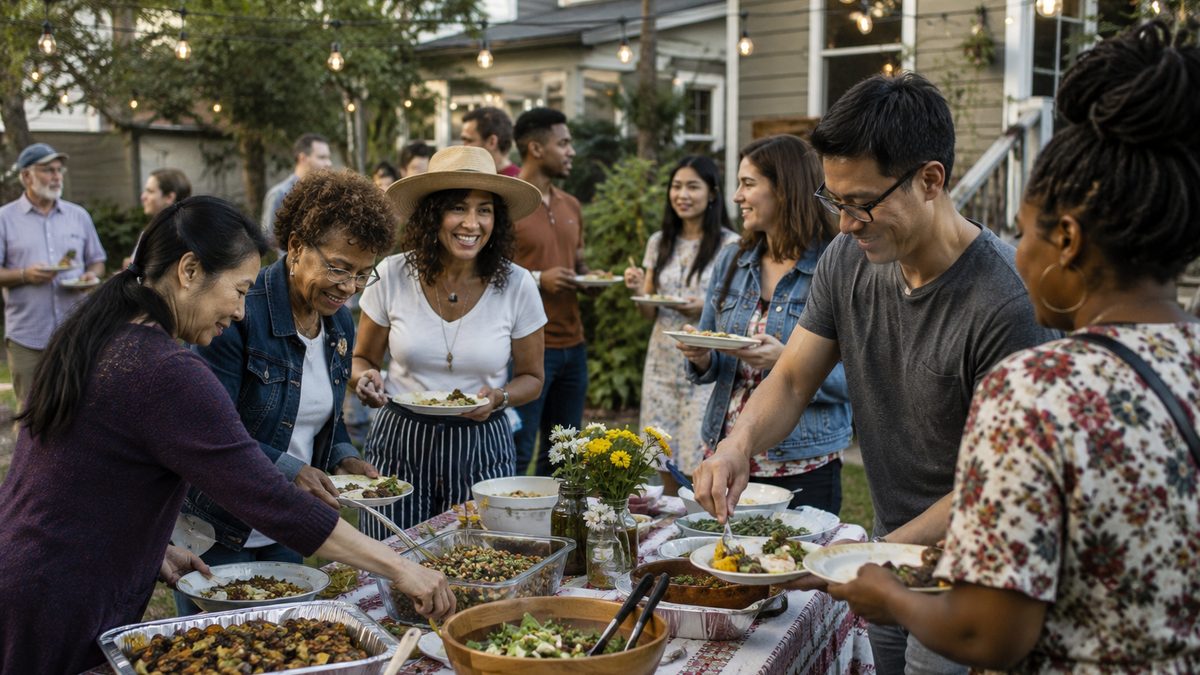
Shared meals remain one of the simplest ways communities build relationships across generations. Editorial illustration by TheDailyGlobe.
Key Facts
- Potluck-style meals remain common in churches, schools, civic groups, and community organizations.
- Shared meals continue to play an important role in building social connections.
- Many family recipes and food traditions are passed down through informal gatherings.
- Potlucks spread costs across participants rather than placing the burden on a single host.
- Community meal traditions have been documented in historical archives and cultural records for generations.
It has become easier than ever to eat without seeing another person. A few taps on a phone can bring dinner to the front door. Restaurants offer takeout, delivery services operate around the clock, and grocery stores sell prepared meals that require little effort.
Yet one of America's oldest food traditions continues to survive. Across churches, schools, volunteer groups, neighborhood associations, family reunions, and community organizations, potluck meals remain a familiar part of everyday life.
That endurance raises a simple question: why does a tradition built around folding tables, homemade casseroles, and shared responsibility still matter in an era defined by convenience?
A Meal That Belongs to Everyone
Part of the answer is practical. Potlucks are affordable. Instead of one family paying for an entire event or an organization funding a catered meal, everyone contributes something. The result is often a larger variety of food at a lower overall cost.
That shared responsibility has made potlucks attractive during different economic periods. Whether communities were facing hardship or simply trying to stretch budgets, the format allowed gatherings to happen without requiring major expense.
The approach also changes the role of guests. People are not simply attending an event; they are helping create it. A casserole, salad, dessert, or family recipe becomes part of the gathering itself.
Food as a Social Connection
While food is the reason people arrive, conversation is often the reason they stay. Shared meals create opportunities for people who might not otherwise spend time together.
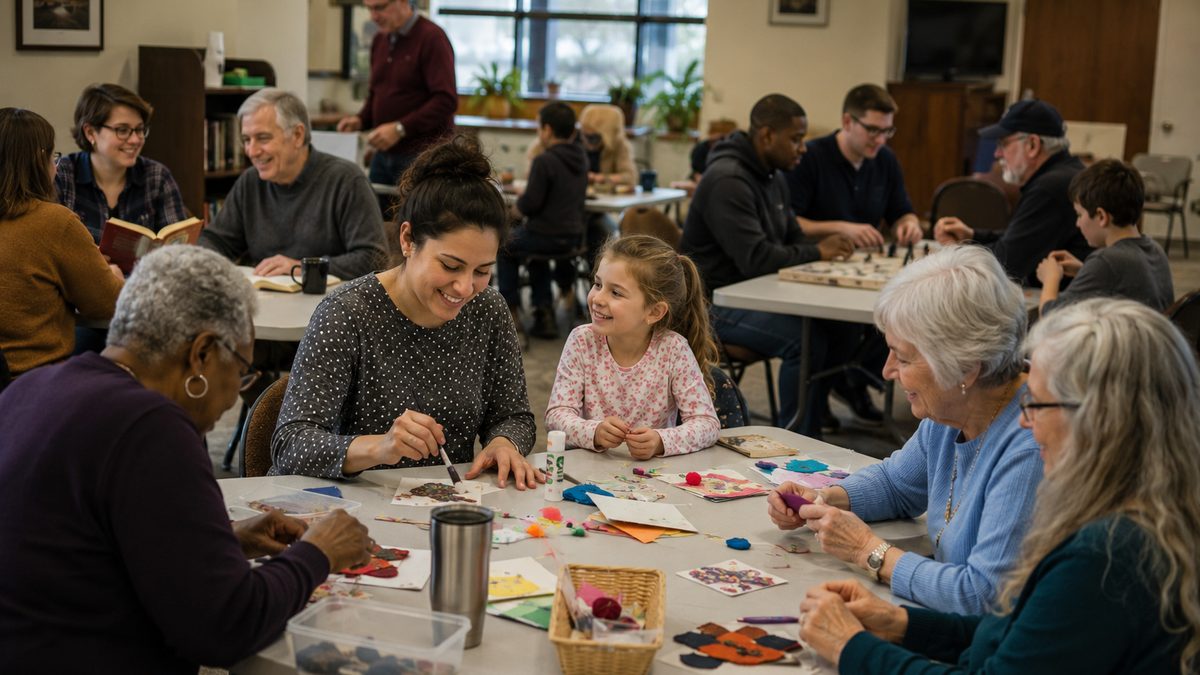
Community organizations have long viewed group meals as a simple way to strengthen relationships. Churches use them to welcome new members. Schools use them to bring families together. Volunteer groups use them to celebrate accomplishments and build connections among people who may only see one another occasionally.
The meal creates a reason to gather, but the real value often comes from the conversations that happen around the table. New friendships form, neighbors meet one another, and community ties become a little stronger.
The Quiet Preservation of Family Traditions
Potlucks also serve another purpose that is easy to overlook. They help preserve family and regional food traditions.
Many recipes are not passed down through formal instruction. They are shared during holidays, church dinners, family reunions, and neighborhood events. Someone brings a favorite dish, another person asks for the recipe, and a tradition continues.
Food historians have noted that informal gatherings often play an important role in preserving local food culture. Recipes that rarely appear in cookbooks can survive for decades because they continue showing up at community tables.
That process helps explain why some dishes remain closely tied to particular regions, families, or cultural communities even as national food trends change.
Why Convenience Has Not Replaced Community
Food delivery apps solve a different problem than potlucks. Delivery services provide convenience. Potlucks provide participation.
One is designed to save time. The other is designed to bring people together. Because they serve different purposes, the growth of one has not necessarily eliminated the need for the other.
In some ways, the rise of digital life may have made in-person gatherings feel more valuable. Many people spend large portions of the day communicating through screens. A shared meal offers something technology cannot easily replicate: face-to-face conversation around a common experience.
What Comes Next for Potluck Culture
No one knows exactly how community traditions will evolve in the coming decades. Social habits change, schedules become busier, and technology continues to reshape how people interact.
What remains clear is that potluck meals continue to appear wherever people want an inexpensive, welcoming way to gather. The format is simple, adaptable, and familiar. It works in church fellowship halls, school cafeterias, community centers, parks, and backyards.
For all the changes in how Americans eat, one tradition has shown unusual staying power. Bringing a dish to share may not be the fastest way to organize a meal, but it remains one of the easiest ways to turn a group of people into a community.
Reporting note: Reporting draws on food culture archives, historical records, community meal resources, and reviewed background materials. This article was produced with AI-assisted research and reviewed by an editor before publication.