Why More Americans Are Choosing Hobby Groups Over Social Media
From running clubs to book groups, many people are finding that shared activities make it easier to build real-world connections than endless scrolling ever could.
Save Article
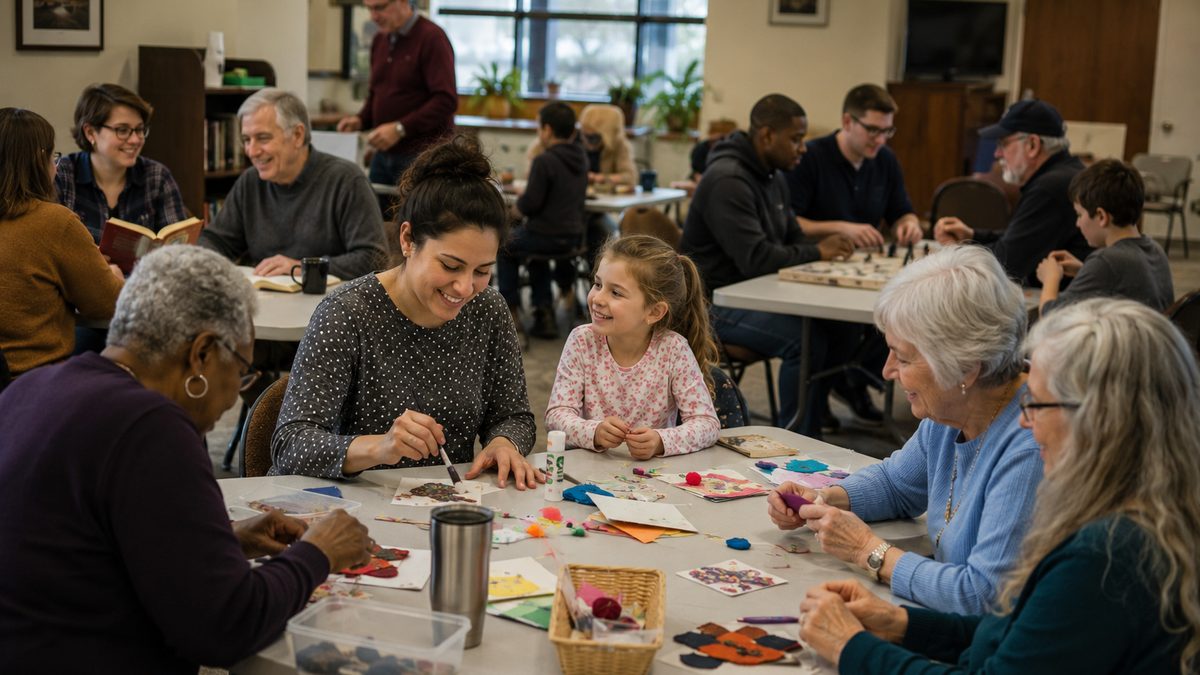
Shared interests often create natural opportunities for conversation and friendship. Editorial illustration by TheDailyGlobe.
Key Facts
- Many Americans seek in-person social opportunities through hobby-based activities.
- Shared interests can make it easier for strangers to begin conversations.
- Hobby groups exist across a wide range of ages, backgrounds, and interests.
- Research has documented ongoing concerns about social connection and community involvement.
- Book clubs, running groups, game nights, and craft organizations continue attracting participants seeking face-to-face interaction.
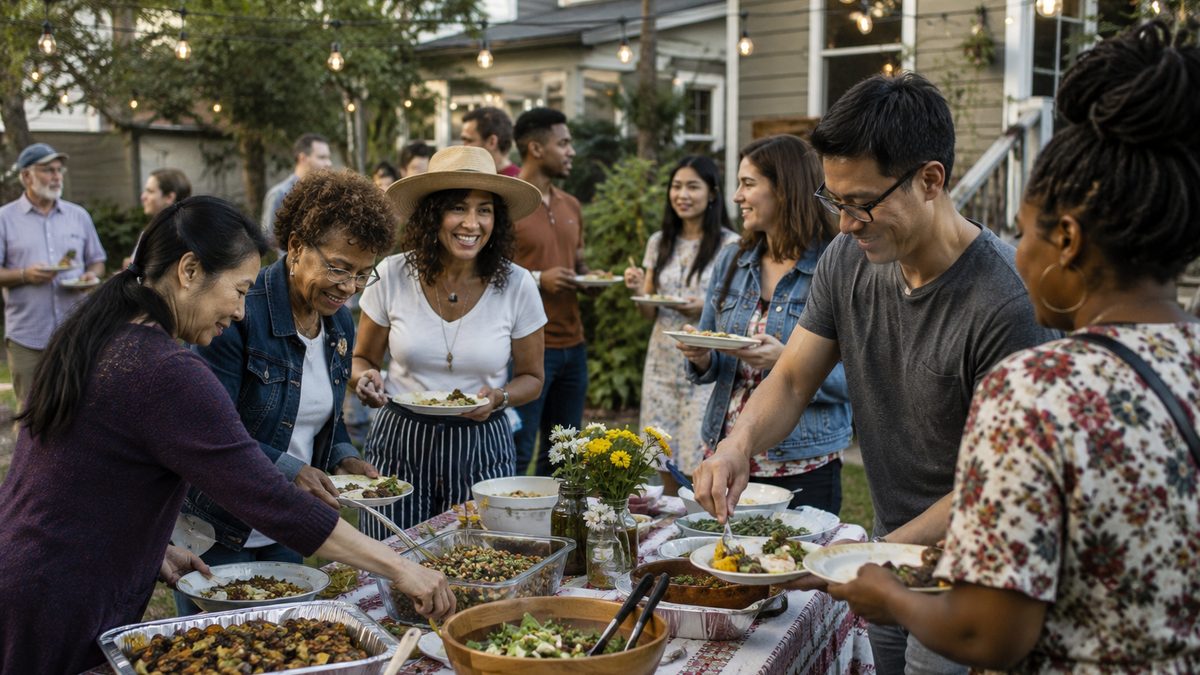
Making new friends can feel surprisingly difficult as an adult. School is over, work schedules are busy, families compete for attention, and many social interactions now happen through screens. Yet across the country, people continue showing up for book clubs, running groups, craft circles, board-game nights, community classes, and countless other hobby-based gatherings.
The appeal is not necessarily the hobby itself. Often, the real attraction is the chance to spend time with other people without the pressure that comes with traditional networking events or the limitations of online interaction.
As concerns about loneliness and social isolation have received greater attention in recent years, hobby groups have become one of the simplest ways many people are rebuilding connections in their communities.
A Different Kind of Social Experience
One reason hobby groups succeed is that they remove a common social obstacle: figuring out what to talk about.
When people gather around a shared activity, conversation often develops naturally. A runner can talk about training routes. A reader can discuss a favorite author. A crafter can ask for advice on a project. The activity provides a starting point that makes introductions feel less awkward.
That structure can be especially helpful for people who want more social interaction but feel uncomfortable walking into a room where they know no one.
Why Shared Interests Matter
Friendships rarely form instantly. More often, they develop through repeated encounters and common experiences. Hobby groups create both.
People tend to see the same faces week after week. Conversations continue from previous meetings. Familiarity grows. Over time, what began as a shared interest can develop into genuine relationships.
Researchers studying social connection have long noted that repeated interaction helps build trust and comfort. Hobby groups provide a practical setting where those interactions can happen without requiring participants to make large commitments or dramatic lifestyle changes.
What Social Media Cannot Fully Replace
Social media has made it easier to stay connected with people across long distances and maintain relationships that might otherwise fade. But many users describe a difference between being connected online and feeling connected in daily life.
A hobby group offers something difficult to replicate digitally: shared physical experiences. People laugh at the same joke, celebrate progress together, learn new skills, and build memories in real time.
That does not mean social media is disappearing. In many cases, online platforms help people discover hobby groups in the first place. The difference is that the screen becomes a tool for creating in-person experiences rather than replacing them.
A Community for Almost Every Interest
Another reason hobby groups continue attracting participants is their variety. Someone interested in fitness can join a running or cycling club. Readers can find book discussions. Creative hobbies support crafting circles, photography groups, and art workshops. Others gather around cooking, gardening, tabletop games, language learning, music, or volunteering.
Because the options are so diverse, people are often able to find communities that match their interests rather than trying to fit into a social setting that feels unnatural.
This flexibility helps explain why hobby-based groups attract participants from different age ranges and life stages. The common interest often matters more than demographic similarities.
What the Trend Says About Modern Life
The continued popularity of hobby groups suggests that many people still value face-to-face interaction, even in an increasingly digital world. Convenience may shape how people work, shop, and communicate, but it has not eliminated the desire for belonging.
What remains less clear is whether these groups can reverse broader declines in social connection documented by researchers. A book club or running group cannot solve every challenge facing modern communities. Still, they can provide something meaningful on a smaller scale: regular opportunities for people to spend time together.
That may be why hobby groups continue to grow. They offer a simple formula that has worked for generations. People gather around something they enjoy, see familiar faces, and gradually build relationships. In a society where many interactions have become increasingly digital, that old-fashioned approach still appears to meet a very modern need.
Reporting note: Reporting draws on Meetup trend reporting, Pew social connection research, Survey Center on American Life research, and reviewed background materials. This article was produced with AI-assisted research and reviewed by an editor before publication.