Why More Americans Are Rethinking How They Drink
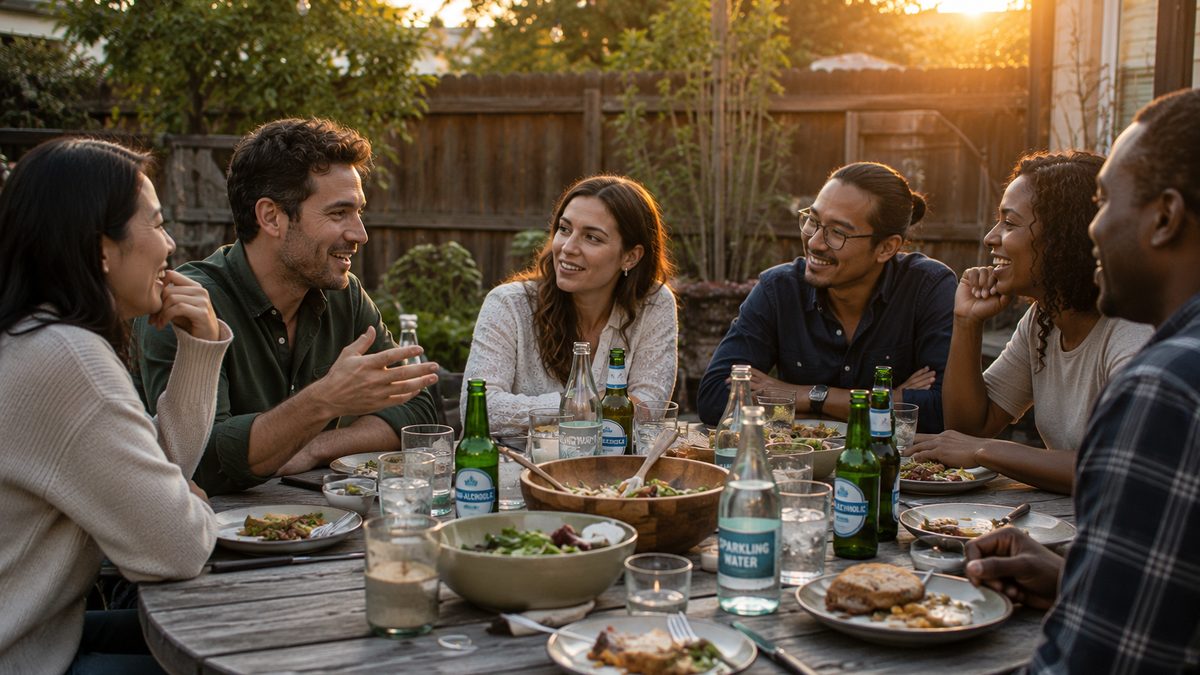
More Americans are drinking less, skipping alcohol on some nights, or choosing nonalcoholic options without giving up social rituals altogether.
Save Article
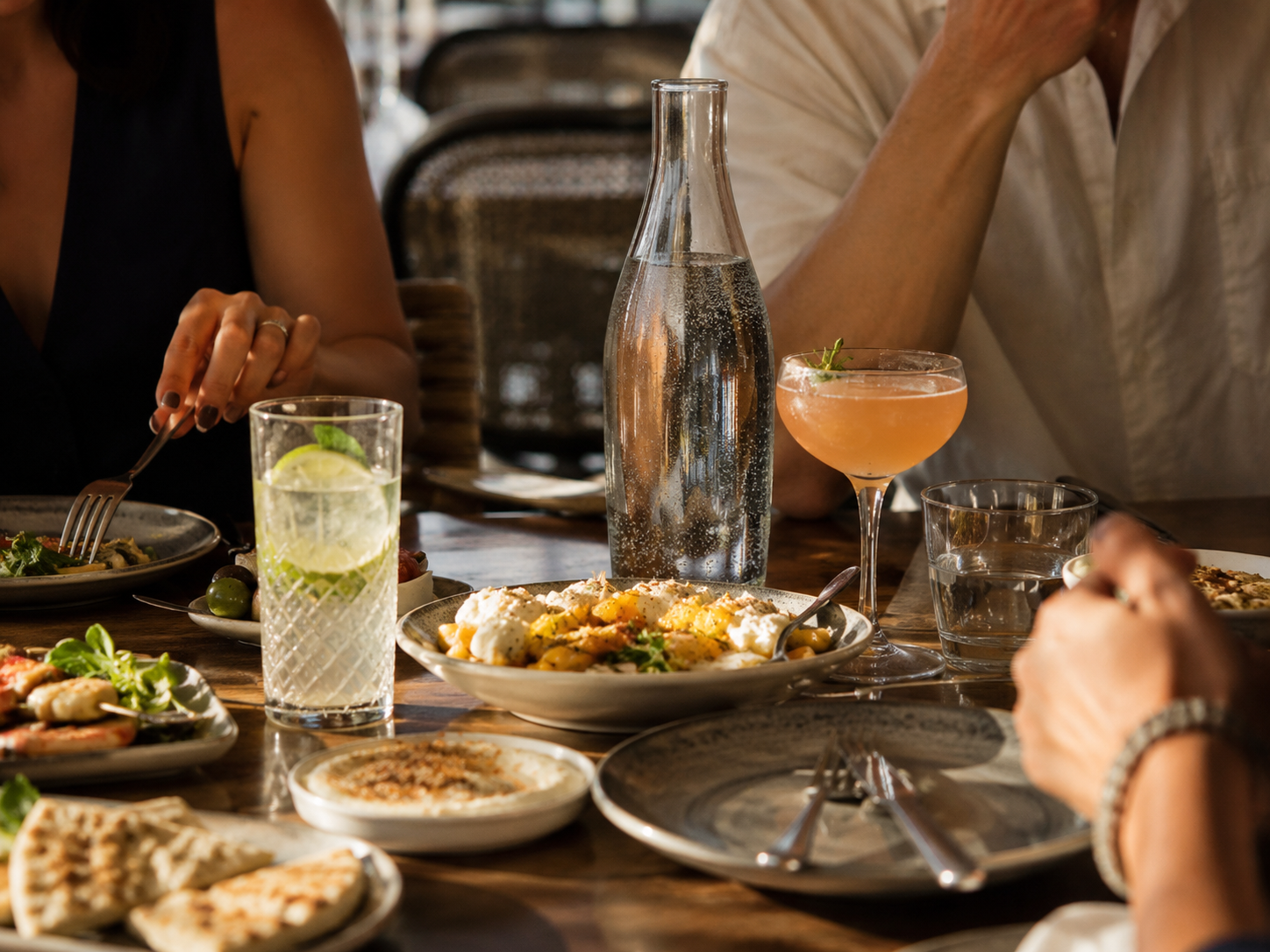
More Americans are drinking less, skipping alcohol on some nights, or choosing nonalcoholic options without giving up social rituals altogether. Editorial illustration by TheDailyGlobe.
Key Facts
- Gallup reported in 2025 that 54% of U.S. adults said they drink alcohol, a record low in its long-running tracking.
- Gallup also reported that a majority of Americans now say moderate drinking is unhealthy.
- The CDC defines moderate drinking as two drinks or less in a day for men and one drink or less in a day for women.
- The U.S. Surgeon General's 2025 advisory described a causal link between alcohol consumption and increased risk for at least seven types of cancer.
- IWSR forecasts the U.S. no-alcohol market will grow by 18% volume CAGR from 2024 to 2028 and be worth close to $5 billion by 2028.
A quiet shift is happening at dinner tables, backyard cookouts, weddings, restaurants, and neighborhood bars. More Americans are not necessarily quitting alcohol altogether. They are pausing before they order. They are asking whether they actually want another drink. They are alternating a cocktail with sparkling water, trying Dry January, ordering a nonalcoholic beer, or deciding that Friday night does not have to come with a Saturday morning headache.
That is the basic idea behind intentional drinking: drinking, when people drink, with more thought behind it. For some people, it means drinking less often. For others, it means drinking only on special occasions, choosing lower-alcohol options, or saving alcohol for meals and celebrations instead of using it as the default way to relax.
What Intentional Drinking Means
Intentional drinking is not the same thing as strict sobriety. It is also not just a wellness slogan. The phrase usually describes a middle lane: people thinking more carefully about when, why, and how much they drink.
That can look different from person to person. Someone might skip alcohol during the week but still enjoy wine with dinner on Saturday. Someone else might have one good cocktail instead of several forgettable drinks. Another person might decide they like the ritual of holding a drink in a social setting but do not need the alcohol itself.
The common thread is choice. Alcohol is still part of American social life, but more people are treating it as optional rather than automatic.
Why the Shift Is Showing Up Now
The data point to a real change in how Americans think about alcohol. Gallup reported in 2025 that 54% of U.S. adults said they drink alcohol, the lowest share in its trend. Gallup also found that a majority of Americans now view moderate drinking as unhealthy.
Younger adults have helped make that change visible. Circana/NCSolutions reported that nearly half of Americans planned to drink less alcohol in 2025, and that 65% of Gen Z respondents said they planned to drink less. That does not mean every young adult is sober. It does suggest that moderation and alcohol-free choices have become more socially normal than they were in earlier drinking cultures.
The reasons are not mysterious. Alcohol can be expensive. Hangovers feel less worth it when people have early work calls, kids' activities, fitness goals, or simply want to feel better the next day. Some people are thinking more about sleep, anxiety, weight, medication interactions, or long-term health.
The Health Message Has Changed
Public health guidance has also become harder to ignore. The CDC defines moderate drinking as two drinks or less in a day for men and one drink or less in a day for women. The agency also says drinking less is better for health than drinking more.
The U.S. Surgeon General's 2025 advisory sharpened the message by describing a causal link between alcohol consumption and increased risk for at least seven types of cancer, including breast, colorectal, liver, mouth, throat, voice box, and esophageal cancers. That does not mean every person who drinks will develop cancer. It does mean the older idea that moderate drinking is clearly harmless, or clearly good for health, has become harder to defend.
NIAAA also notes that harms may be associated with any amount of drinking, and that risk generally rises as consumption increases. For many people, that is enough to make alcohol feel less like a harmless default and more like something worth thinking through.
Nonalcoholic Drinks Changed the Social Math
Intentional drinking is also easier now because the options are better. Not long ago, skipping alcohol at a bar or restaurant often meant soda, juice, iced tea, or water with lime. Today, grocery stores and restaurants increasingly carry nonalcoholic beer, alcohol-free wine, zero-proof spirits, canned mocktails, sparkling drinks, and more grown-up alcohol-free choices.
IWSR forecasts the U.S. no-alcohol market will grow by 18% volume CAGR from 2024 to 2028 and be worth close to $5 billion by 2028. NIQ/NielsenIQ reported that nonalcoholic beer, wine, and spirits reached $925 million in off-premise sales, up 22% year over year.
Restaurants and bars have noticed. The National Restaurant Association highlighted beverage trends for 2025, while restaurant-industry reporting has described premium mocktails and nonalcoholic drinks as a growing menu opportunity. For restaurants, that can mean serving guests who still want a social drink, just not necessarily alcohol.
A Practical Change, Not a Perfect Label
For the average person, intentional drinking does not need to be complicated. It might mean deciding before going out how many drinks make sense. It might mean drinking water between rounds, eating before drinking, skipping shots, or choosing a nonalcoholic option after the first drink. It might mean keeping alcohol out of weekday routines.
It also might mean asking a doctor for help if cutting back feels harder than expected. Intentional drinking can be useful language for many people, but it is not a substitute for medical care. People who drink heavily, experience withdrawal symptoms, hide drinking, regularly fail to cut back, or feel unable to stop should seek qualified help.
The cultural change may be strongest because it does not require everyone to pick a permanent label. Someone can be sober. Someone can be sober-curious. Someone can drink rarely. Someone can still drink but be more deliberate. Someone can decide alcohol is not worth the money, calories, anxiety, sleep disruption, or health concerns. Someone else can still enjoy a drink and simply make it more intentional.
Why This Matters
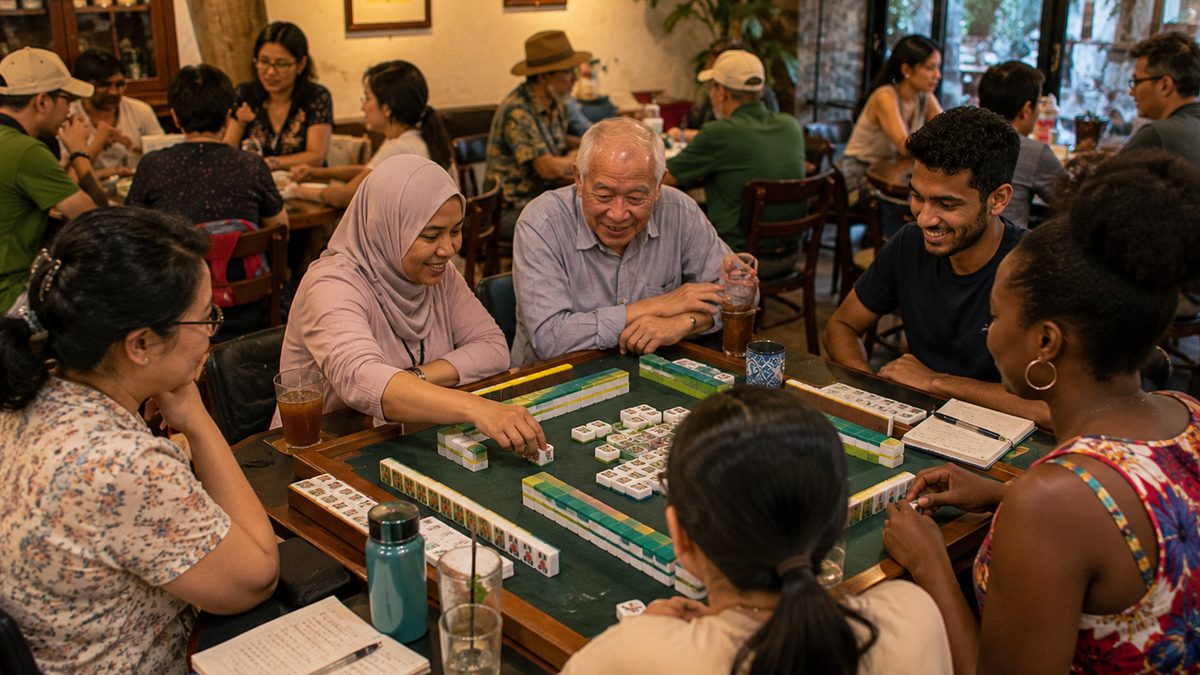
American social life has long made alcohol feel like part of the scene. Happy hour, weddings, tailgates, work events, first dates, holiday parties, and family cookouts often assume drinking will be involved. Intentional drinking does not erase that culture overnight. It gives people more room to participate without automatically drinking more than they want.
That may be why the trend has staying power. It does not ask everyone to live the same way. It simply gives people permission to ask a plain question before they order: Do I actually want this drink, and is it worth it tonight?
For a growing number of Americans, that question is changing what ends up in the glass.
Reporting note: Reporting draws on public health guidance from the CDC, NIAAA, and the U.S. Surgeon General, survey data from Gallup and Circana/NCSolutions, beverage market data from IWSR and NIQ/NielsenIQ, and restaurant-industry reporting on nonalcoholic drink trends. This article was produced with AI-assisted research and reviewed by an editor before publication.