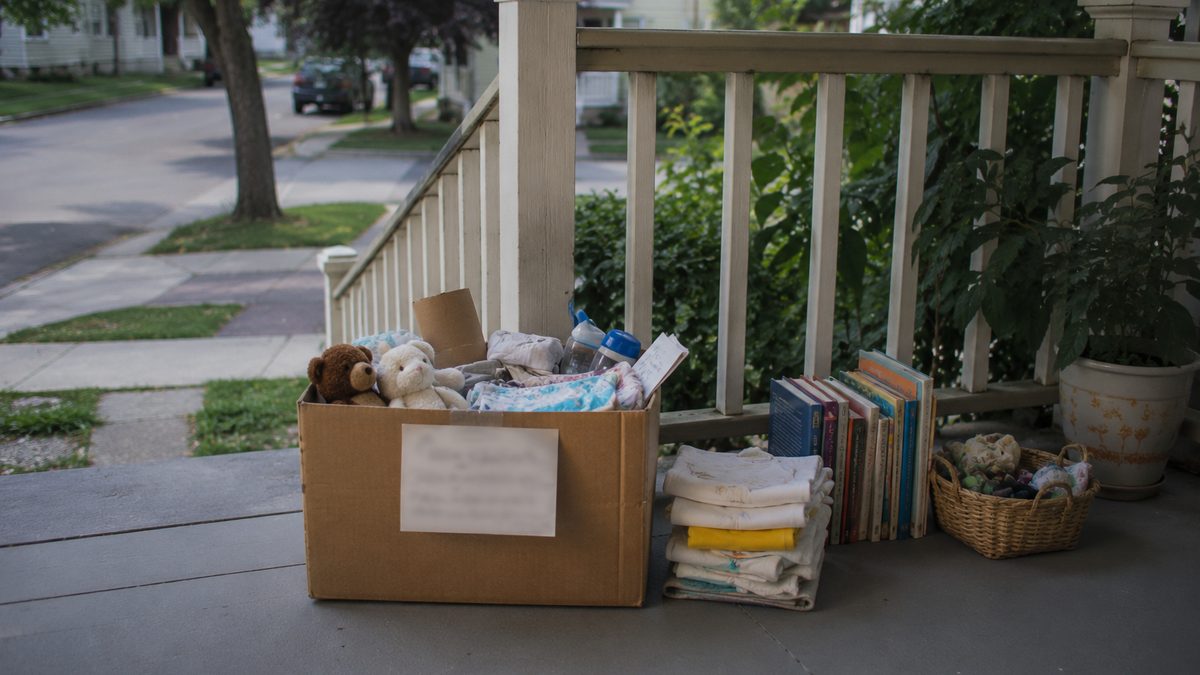
Why More Americans Are Borrowing Things Instead of Buying Them
From power tools to gardening equipment, a growing number of community lending programs are giving people another option besides buying items they may rarely use.
Save Article
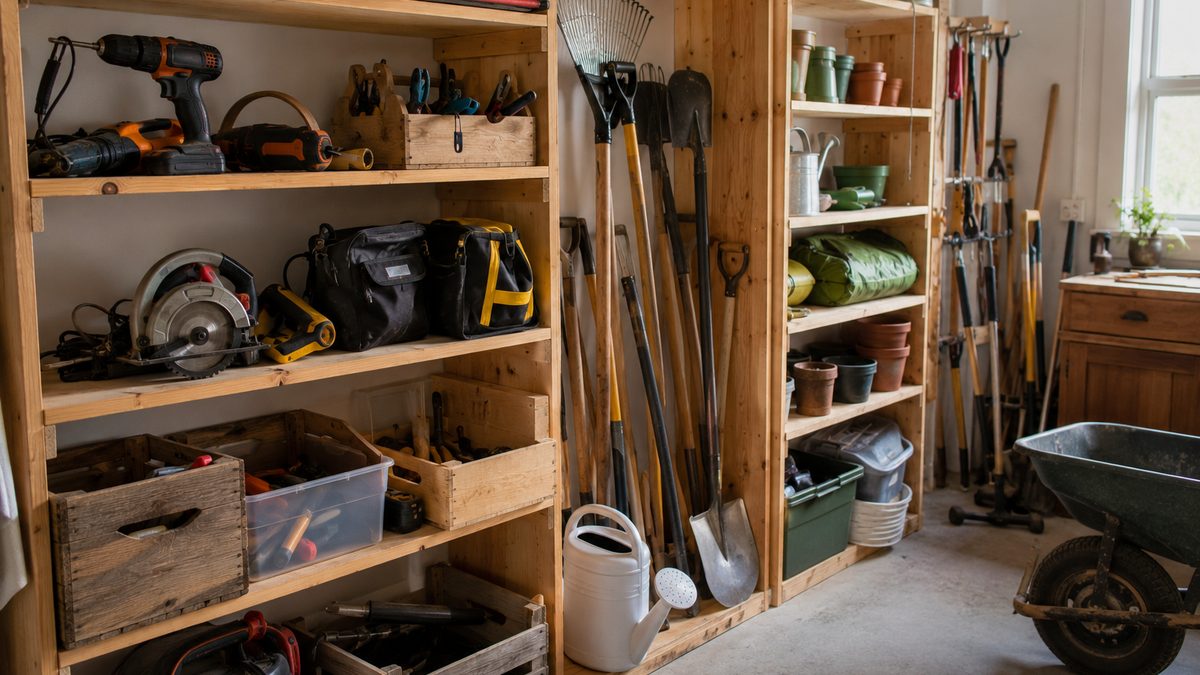
Many communities now offer borrowing programs for tools, household equipment, and other rarely used items. Editorial illustration by TheDailyGlobe.
Key Facts
- Many public libraries now lend items beyond books.
- Tool-lending programs operate in communities across multiple states.
- Some lending collections include tools, toys, gardening equipment, and household items.
- Programs are commonly operated by libraries, nonprofits, and community organizations.
- Reliable national participation figures are not currently available.
A power drill might be used for a single afternoon project. A seed spreader may come out only a few times each year. A specialty cake pan could spend most of its life on a shelf. For many households, that reality has sparked a simple question: does every item need to be owned?
Across the United States, a growing number of communities are experimenting with a different answer. Libraries, nonprofit groups, and local organizations are creating lending programs that allow residents to borrow tools, gardening equipment, toys, kitchen items, and other products that people may only need occasionally.
The concept is not entirely new, but it is expanding beyond traditional books and media. In many places, borrowing is becoming a practical household option rather than a niche community project.
The Rise of the 'Library of Things'
Many borrowing programs fall under a broad idea often called a 'Library of Things.' Instead of checking out a novel, visitors can borrow an object they need for a project, event, or short-term task.
The exact inventory varies from one community to another. Some focus heavily on home-improvement tools. Others offer gardening supplies, baking equipment, musical instruments, toys, sewing machines, or hobby gear.
The common thread is that these items tend to be useful but not necessarily needed every day. That makes them good candidates for sharing among many users.
Why People Use Them
Cost is one reason these programs attract interest. Purchasing a specialized tool or piece of equipment can be difficult to justify when it may only be used once or twice a year.
Convenience also plays a role. Borrowing allows someone to complete a project without researching, purchasing, storing, and maintaining another item. For apartment dwellers or households with limited storage space, avoiding clutter can be almost as valuable as saving money.
Some residents use lending programs as a way to test an item before deciding whether it is worth purchasing. Others simply prefer access over ownership when the item is not central to their daily lives.
How the Programs Work
Most programs operate in a familiar way. A member checks out an item, uses it for a set period, and returns it so someone else can borrow it later. Rules vary depending on the organization and the equipment involved.
Libraries that lend tools or equipment often maintain inventories, inspection procedures, and borrowing policies similar to those used for traditional materials. Some require orientation sessions for specialized equipment, while others limit borrowing periods for high-demand items.
The goal is not to replace retail stores. Instead, these programs provide temporary access to items that many people may need only occasionally.
A Different View of Ownership
The growth of lending programs reflects a broader shift in how some people think about possessions. For decades, ownership was often treated as the default solution whenever a need arose. If a project required a tool, the assumption was that the tool should be purchased.
Borrowing programs introduce another possibility. In some situations, access may matter more than ownership. The value comes from being able to use an item when needed rather than keeping it permanently.
That idea is already familiar in other parts of daily life. People stream movies instead of buying DVDs, use ride-sharing services instead of owning additional vehicles, and access digital resources through subscriptions. Lending libraries apply a similar principle to physical objects.
What We Still Don't Know
Despite the growing visibility of these programs, several questions remain unanswered. Reliable nationwide participation figures are difficult to find, and available information does not establish how quickly lending programs are expanding from year to year.
Because many programs are local and independently managed, measuring national growth can be challenging. Some communities maintain extensive collections, while others operate on a much smaller scale.
What is clear is that borrowing options now exist in many parts of the country and cover a wider range of items than many people realize.
What Readers Should Watch Next
The next question may be less about national statistics and more about local availability. As libraries and community organizations continue experimenting with lending models, residents may find new borrowing options appearing close to home.
Whether the item is a drill, a garden tool, a toy, or a piece of specialized equipment, the broader idea remains simple: for some purchases, ownership may no longer be the only practical choice.
Reporting note: Reporting draws on library organization materials, lending-library resources, community program information, reputable reporting, and reviewed background materials. This article was produced with AI-assisted research and reviewed by an editor before publication.