Nonalcoholic Beer Is Becoming Normal, Not Awkward
Once treated as a niche product or a compromise, nonalcoholic beer is becoming a routine option in restaurants, grocery stores, and social gatherings across the United States.
Save Article
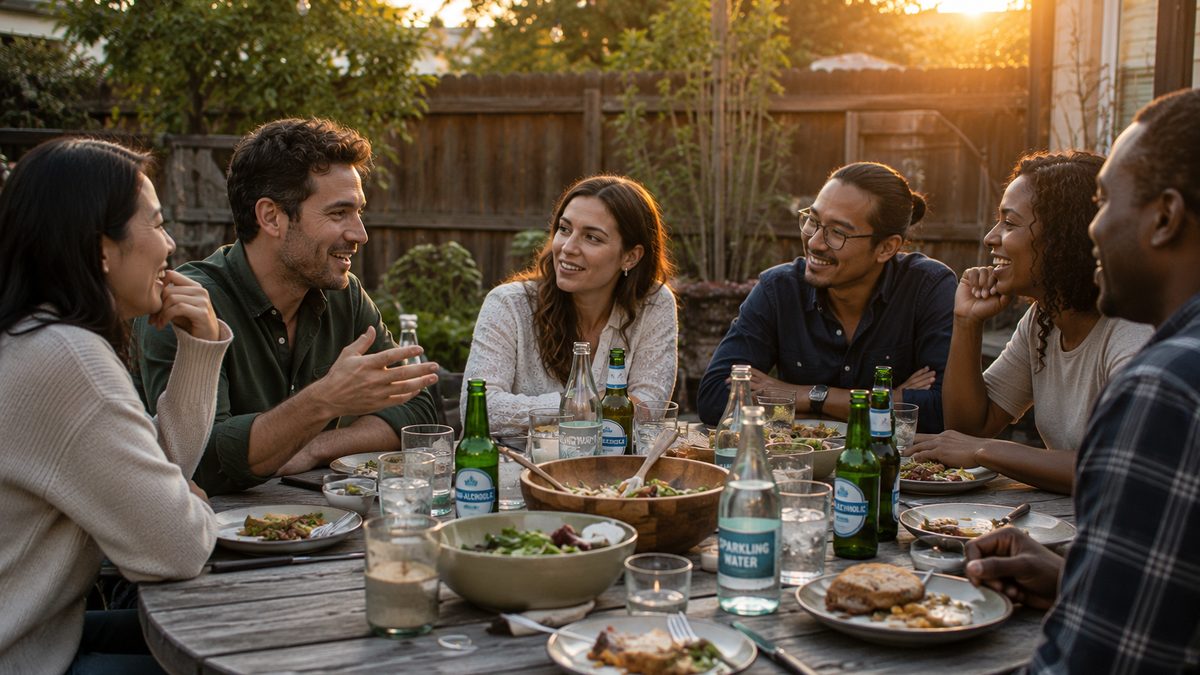
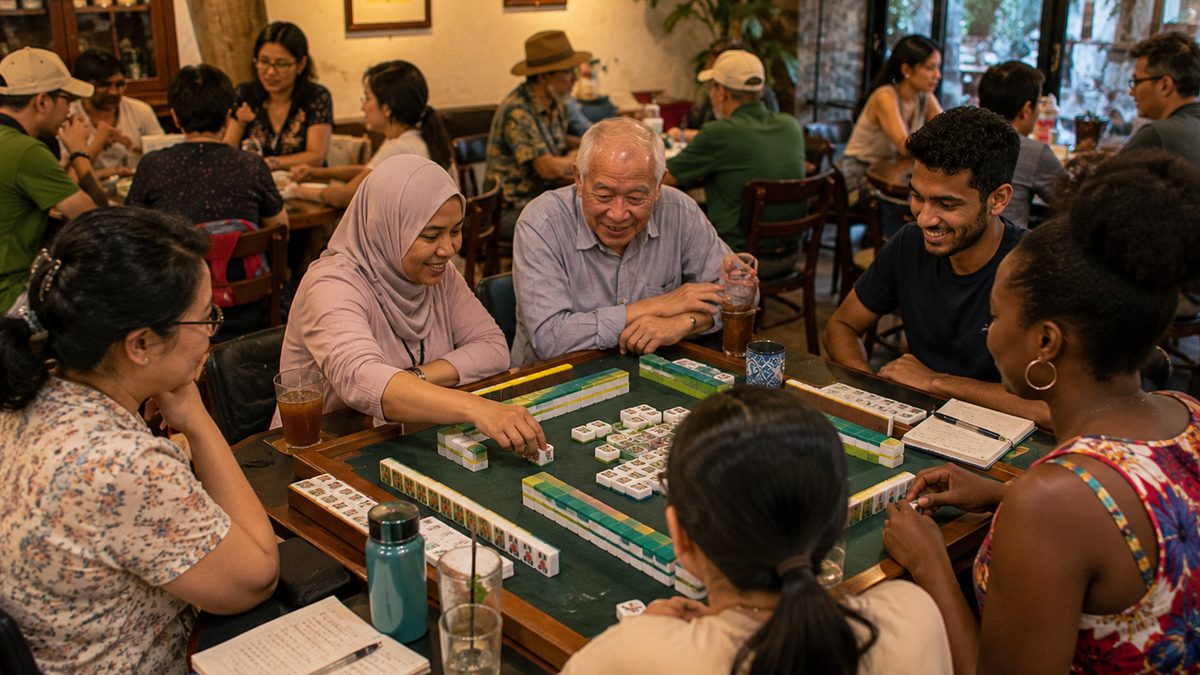
Nonalcoholic beer is increasingly appearing alongside traditional beverage options at restaurants, gatherings, and grocery stores. Editorial illustration by TheDailyGlobe.
Key Facts
- Industry reports show continued growth in the nonalcoholic beer category.
- Brewers large and small have expanded their nonalcoholic product offerings.
- Restaurants and retailers are carrying more alcohol-free options than in previous years.
- Many consumers report choosing nonalcoholic products as part of moderation habits rather than complete abstinence.
- The category now reaches a broader audience than traditional alcohol-free beer consumers.
For years, ordering a nonalcoholic beer could feel like stepping outside the social script. Many restaurants carried few options, some stores barely stocked them, and people often associated them with a very specific reason for avoiding alcohol.
That picture has been changing. Today, nonalcoholic beer is appearing in more grocery aisles, restaurant menus, sporting venues, and backyard gatherings. For many consumers, the choice is becoming less about abstinence and more about flexibility.
The shift reflects broader changes in how Americans think about drinking. Rather than dividing people into drinkers and non-drinkers, many consumers appear interested in moderation, occasional alcohol-free choices, or simply having more options depending on the situation.
A Different Kind of Drinking Culture
One reason the category has gained attention is that it fits changing social habits. Not every occasion calls for alcohol, but many people still enjoy the ritual of sharing a drink with friends, watching a game, attending a barbecue, or celebrating a milestone.
Nonalcoholic beer offers a way to participate in those moments without consuming alcohol. Someone might choose it because they are driving home, have work early the next morning, are training for an athletic event, or simply do not want alcohol that day.
In many cases, the decision is no longer treated as unusual. The growing availability of these products has helped make them feel like a normal menu choice rather than an explanation that requires justification.
Why Restaurants and Retailers Are Paying Attention
Consumer demand has played a major role in expanding availability. Beverage industry reporting and brewers' market analysis indicate that retailers and restaurants increasingly see nonalcoholic products as a category worth investing in rather than an afterthought.
That change can be seen in everyday places. Grocery stores often dedicate more shelf space to alcohol-free options than they did a decade ago. Restaurants that once carried only one nonalcoholic beer may now offer several choices. Some breweries have developed dedicated alcohol-free products alongside their traditional lineup.
For businesses, the appeal is straightforward. A broader selection allows them to serve customers with different preferences while creating options for mixed groups where some people drink alcohol and others do not.
Taste Has Become Part of the Conversation
Another factor behind the category's growth is product quality. Historically, some consumers avoided nonalcoholic beer because they felt the taste did not compare favorably with traditional beer.
Advances in brewing techniques have helped change that perception. Brewers have devoted more attention to flavor, variety, and consistency, leading to products that appeal not only to people avoiding alcohol but also to consumers who simply enjoy the taste of beer.
That does not mean every product appeals to every consumer. Taste remains subjective. But improved quality has helped move the conversation beyond novelty and toward ordinary consumer choice.
What the Trend Does Not Show
The growth of nonalcoholic beer does not necessarily mean alcohol consumption is disappearing from American culture. Traditional beer, wine, and spirits remain widely consumed, and available reporting does not suggest nonalcoholic products are replacing those categories entirely.
Nor does the trend indicate that every consumer is adopting the same habits. Some people never drink alcohol, some drink occasionally, and others continue to enjoy alcoholic beverages regularly. The evidence points more toward expanded choice than a single cultural shift affecting everyone equally.
It is also difficult to know how much future growth the category will experience. Market reports describe continued momentum, but consumer preferences can change over time.
What Happens Next
The next phase may depend less on novelty and more on normalization. If nonalcoholic beer continues appearing in restaurants, grocery stores, stadiums, and social events, consumers may stop thinking of it as a separate category altogether.
Future industry reports will provide a clearer picture of whether growth continues and how breweries adapt to changing preferences. New products, expanded distribution, and restaurant offerings will likely remain important indicators.
For now, the story is not really about what people are giving up. It is about having more choices. In many parts of American life, nonalcoholic beer is becoming something simpler than a trend: just another option on the menu when people gather together.
Reporting note: Reporting draws on beverage industry reporting, Brewers Association market analysis, consumer trend reporting, and reviewed background materials. This article was produced with AI-assisted research and reviewed by an editor before publication.