Why Community Cookbooks Refuse to Disappear
Long after recipes became searchable online, community cookbooks continue to preserve local traditions, family stories, and snapshots of everyday American life.
Save Article
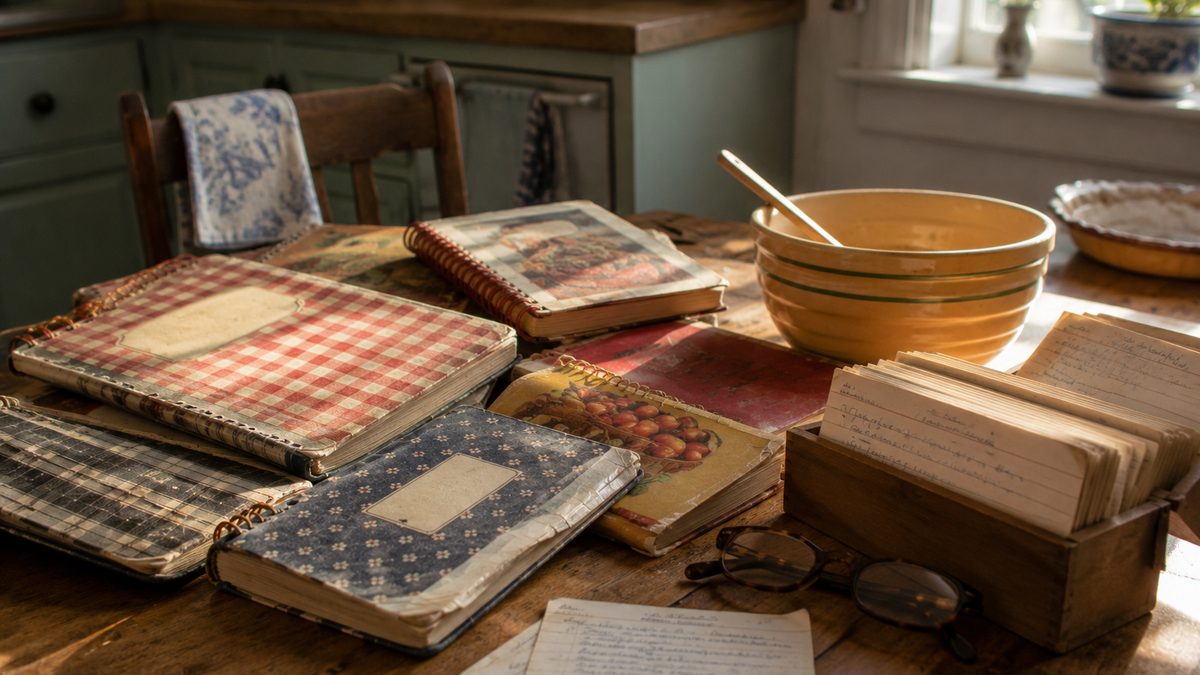
Community cookbooks often preserve family recipes, local traditions, and pieces of everyday history that might otherwise be lost. Editorial illustration by TheDailyGlobe.
Key Facts
- Community cookbooks have been part of American life for generations.
- Churches, schools, civic groups, and local organizations continue to publish them.
- Historians often use community cookbooks as records of everyday community life.
- Many collections include family recipes passed down through generations.
- Reliable national data on current cookbook production remains limited.
Almost any recipe can be found online within seconds. Need a chocolate cake recipe? Thousands appear with a quick search. Looking for a soup, casserole, or holiday dessert? The internet has more options than anyone could ever cook.
Yet community cookbooks continue to appear in church fundraisers, school projects, historical societies, civic organizations, and local groups across the country. In an era of smartphones and recipe websites, these collections remain surprisingly resilient.
The reason has less to do with cooking and more to do with memory. Community cookbooks often serve as records of the people and places that created them, preserving stories that extend far beyond the kitchen.
More Than a Collection of Recipes
A community cookbook may contain recipes for pies, casseroles, cookies, and holiday meals, but those pages often reveal something else as well. Names, family traditions, local ingredients, and regional food preferences can all provide clues about the people who contributed them.
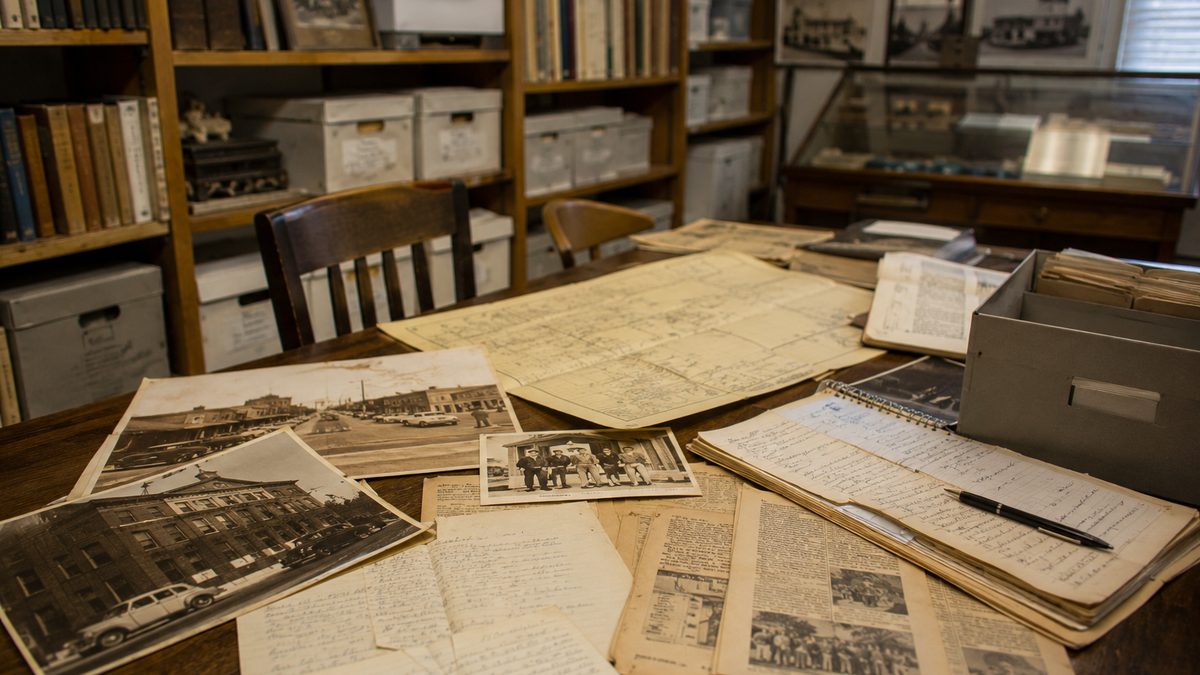
Historians and cultural researchers have long viewed these books as valuable records of daily life. Unlike official documents that record laws, elections, or major events, cookbooks often capture ordinary moments that rarely appear elsewhere.
A recipe for a church potluck dish, for example, can reveal what ingredients were common in a region, how families cooked, and which traditions communities valued enough to share.
Why the Internet Hasn't Replaced Them
Online recipes are convenient, but convenience is not always the main purpose of a community cookbook. Many people buy these books because they know the contributors personally or because the collection reflects a place that matters to them.
A recipe passed down from a grandmother carries a different meaning when it appears alongside the names of neighbors, teachers, church members, or relatives. The cookbook becomes part family album, part community record, and part fundraiser.
That personal connection is difficult to recreate through an anonymous search result. Readers often value the story behind a recipe as much as the recipe itself.
A Window Into Local History
Organizations such as the Library of Congress and the Smithsonian have highlighted how food traditions can help document cultural history. Community cookbooks offer one of the most accessible examples of that idea.
A cookbook assembled in a farming town may emphasize ingredients available locally. A collection created by an immigrant community may preserve recipes that connect families to earlier generations and distant places. A church cookbook can reveal traditions that shaped gatherings, celebrations, and shared meals for decades.
Taken together, these collections often provide a portrait of a community at a particular moment in time.
The Fundraising Tradition Lives On
Community cookbooks have also endured because they remain useful fundraising tools. Schools, churches, volunteer organizations, and local groups frequently create them to support projects or raise money for community needs.
People are often willing to purchase a cookbook because it offers something personal. Buyers know they are supporting an organization they care about while receiving a collection that reflects local traditions and familiar names.
That combination of practical value and community connection has helped the format survive long after many predicted it would disappear.
What We Still Don't Know
While community cookbooks remain visible in many parts of the country, reliable national data on how many are produced each year is difficult to find. Available sources do not clearly establish whether production is growing, shrinking, or remaining relatively stable.
The relationship between print and digital versions is also unclear. Some organizations now offer electronic editions, while others continue to favor traditional printed books. The balance likely varies widely from one community to another.
What Readers Should Watch Next
The future of community cookbooks may depend less on technology and more on the continued desire to preserve local stories. As families and organizations look for ways to record traditions, recipes remain a natural place to start.
A cookbook may begin as a collection of instructions for making dinner, but many become something larger over time. Years later, readers often discover they are holding not just recipes, but a record of the people who shared them and the communities they helped build.
Reporting note: Reporting draws on Library of Congress food-history resources, Smithsonian food-culture materials, university extension archives, and reviewed background materials. This article was produced with AI-assisted research and reviewed by an editor before publication.