Thrifting Keeps Moving From Bargain Hunt to Everyday Shopping Habit
Secondhand shopping is becoming a more visible part of everyday retail, touching household budgets, reuse, discovery shopping and questions about affordability.
Save Article
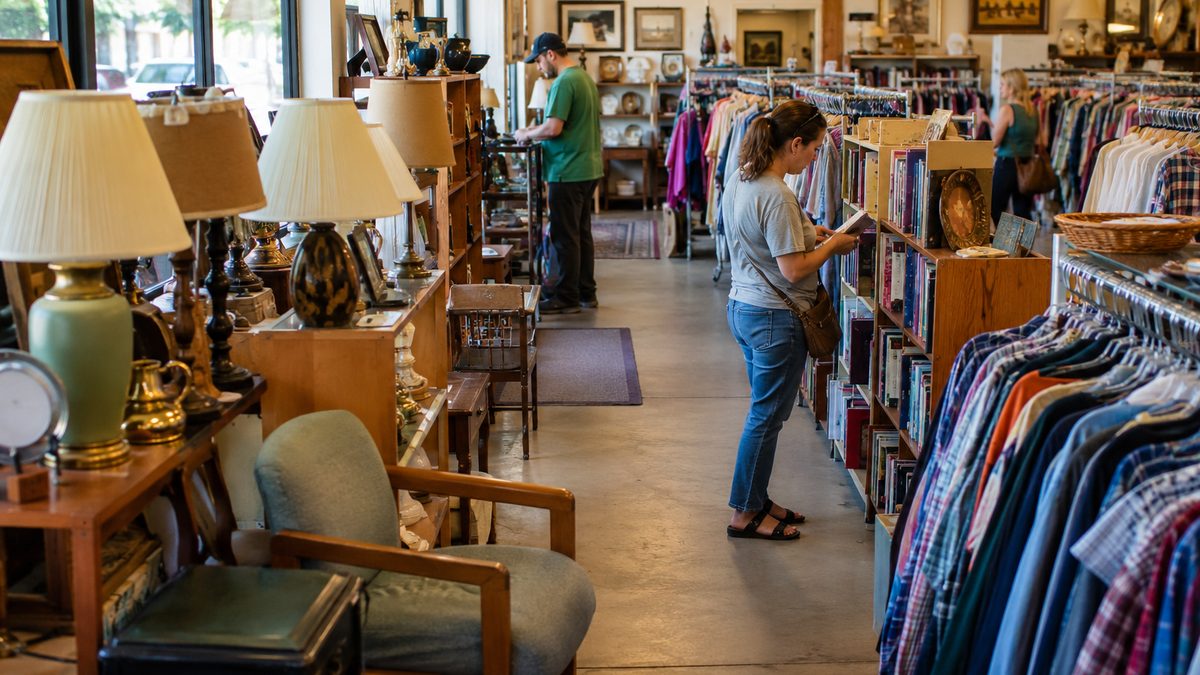
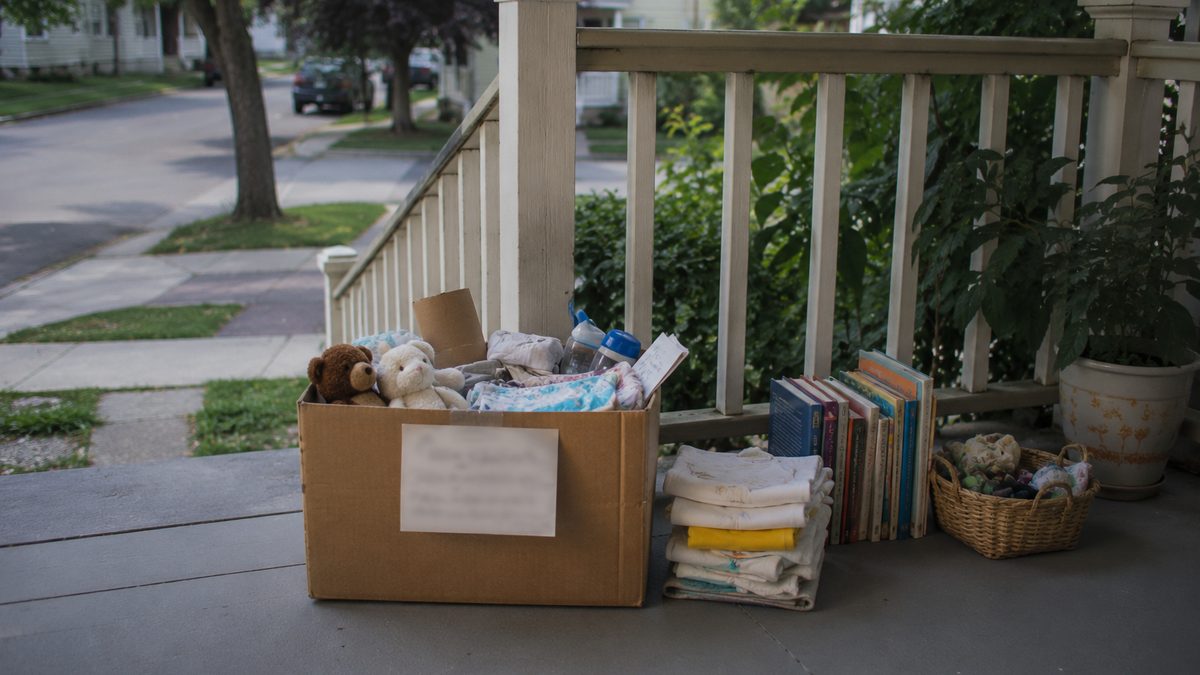
Secondhand shopping has become part of ordinary household decision-making for many shoppers. Editorial illustration by TheDailyGlobe.
A shopper walks into a thrift store looking for something ordinary: a decent jacket, a chair that does not cost too much, a stack of kids' books, or a small table that can survive a few more years.
The store feels busier than it used to. The racks are picked over in some places. The good furniture moves quickly. Some prices still feel like a deal, while others make shoppers pause and wonder when thrift stores started looking more like regular retail.
Retail and consumer-data sources have described secondhand shopping as a growing retail category, with industry analysis connecting resale growth to value, sustainability and the appeal of finding something unexpected. But the practical story is not just about trend reports. It is about how used goods have moved deeper into everyday household shopping.
Why Secondhand Feels More Mainstream
Thrifting used to carry more social baggage for some shoppers. Now, secondhand shopping can mean many things at once: saving money, stretching a clothing budget, finding furniture, buying kids' items, avoiding waste, hunting for vintage pieces, or simply seeing what turns up.
That wider appeal helps explain why retail sources now talk about resale as more than a niche. Still, industry claims should be read carefully. Growth projections can vary, and business coverage may emphasize opportunity for retailers and platforms more than the experience of people trying to keep household costs down.
The Budget Question Is Complicated
Secondhand shopping has obvious relevance for household budgets, but it is not automatically cheap everywhere. Affordability varies by store, platform, region, item quality and demand. A thrifted shirt may still be a bargain. A used couch, name-brand jacket or online resale item may not feel inexpensive at all.
That matters because different shoppers come to secondhand for different reasons. Some choose it for style or sustainability. Others depend on it because buying new is not realistic. When resale becomes more popular, the effects may not be the same for both groups.
What Remains Unclear
Several questions are still unsettled. Market-size projections differ across research firms and retail sources. It is also unclear how much thrift-store pricing has changed for budget shoppers in different regions.
The larger question is whether resale growth helps or hurts people who rely on low-cost secondhand goods. More attention can mean more inventory, better stores and more options. It can also bring higher prices, platform fees and more competition for the same useful items.
For readers, the clearest takeaway is to treat thrifting as normal shopping, not a moral statement or a trend costume. It can be useful, frugal, fun and imperfect all at once. The next thing to watch is whether secondhand remains affordable for the people who need it most, not just fashionable for people who can choose it.
Reporting note: Reporting draws on retail analysis, consumer data aggregation, thrift retail coverage, and reviewed background materials. This article was produced with AI-assisted research and reviewed by an editor before publication.