Summer Camping Trips Go Better When Families Plan for Comfort, Not Perfection
A good camping trip does not have to be extreme. For many families, the best summer plan is simple: pick the right site, pack for comfort, and leave room for small things to go wrong.
Save Article
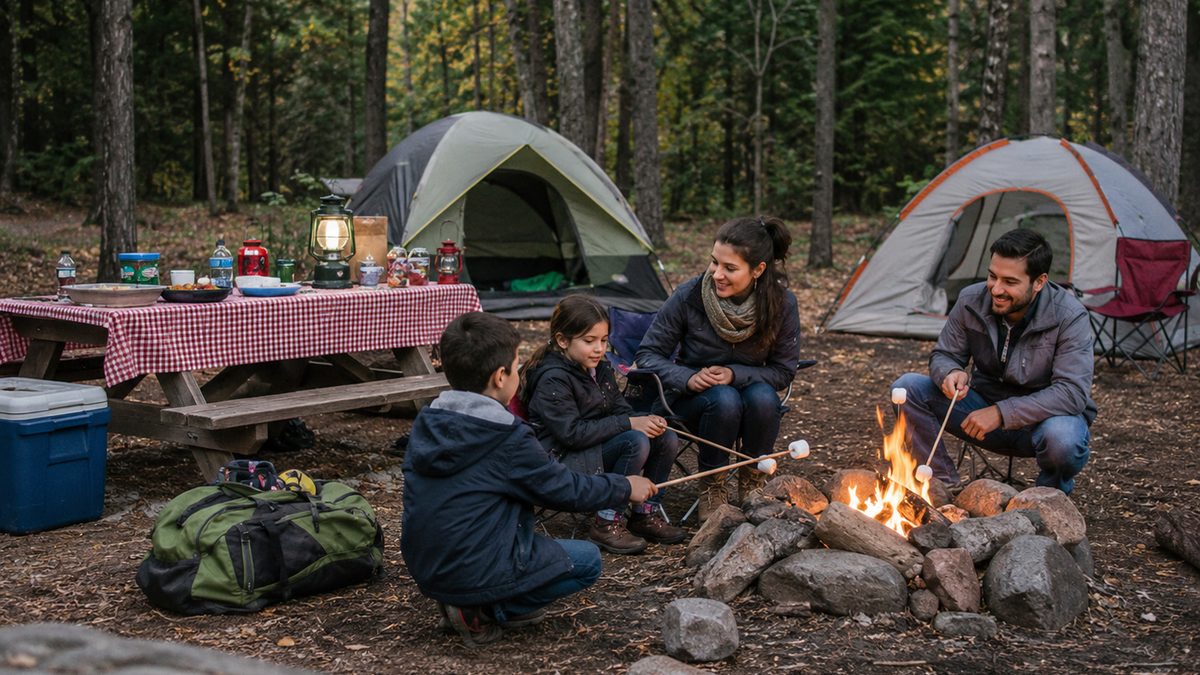
For many families, a successful summer camping trip depends less on rugged adventure and more on simple planning, comfort and flexibility. Editorial illustration by TheDailyGlobe.
Key Facts
- A successful camping trip often depends more on preparation than distance or difficulty.
- First-time campers may have a better experience at established campgrounds with restrooms, water access and nearby supplies.
- Weather, food, sleep and simple backup plans are often the difference between a good trip and a stressful one.
- Families should treat camping as a flexible outdoor stay, not a performance test.
Summer camping can sound like a test of outdoor skill, but for many families, the trips that work best are not the most ambitious ones. They are the trips that are planned around comfort, patience and realistic expectations.
That matters as more families look for affordable ways to travel, spend time outside and step away from screens without turning a weekend into a complicated production. A campsite can be a quiet reset, but only if the plan fits the people going.
Start with the right kind of campground
The first decision is not which tent to buy or how far to drive. It is what kind of camping experience makes sense. For beginners, families with young children, older relatives or anyone who simply wants an easier trip, an established campground is usually the better first stop.
A site with restrooms, potable water, trash service, marked spots and nearby staff can remove many of the problems that make camping feel harder than it needs to be. That does not make the trip less real. It makes the trip more likely to succeed.
Location also matters. A beautiful campground three hours away may sound exciting, but a site closer to home can be smarter for a first trip. Shorter drives leave more time for setup, dinner, a walk around the campground and a less frantic first night.
Pack for sleep, shade and dry clothes
Many camping problems begin with one of three things: poor sleep, too much sun or wet gear. A family does not need expensive equipment to avoid those problems, but it does need to think through them before leaving home.
Sleeping pads, extra blankets, pillows and weather-appropriate bedding can matter more than the tent itself. A tent keeps people covered, but comfort depends on what is under and around them. Even in summer, some campgrounds cool down at night, especially near water, hills or wooded areas.
Shade is another overlooked item. A canopy, tarp, tree-covered site or even a plan to spend the hottest part of the afternoon near water or in town can change the mood of the trip. Camping should not require everyone to sit in direct sun for hours because no one thought about the middle of the day.
Dry clothing is the quiet hero of a camping weekend. Extra socks, a rain layer, plastic bags for wet items and a separate set of clothes for sleeping can keep one spill or storm from taking over the whole trip.
Keep food simple
Camp meals do not need to become a cooking show. Simple food usually wins: sandwiches, fruit, snacks, hot dogs, pre-cut vegetables, breakfast bars, coffee, instant oatmeal and easy dinners that do not require a dozen tools.
The best camping food plan is one that still works if people are tired, the firewood is damp or the kids are hungry earlier than expected. A cooler packed in meal order can also make life easier, with the first meal near the top and items that must stay cold packed securely.
Water deserves its own place in the plan. Even when a campground has water access, bringing extra drinking water can prevent unnecessary trips across the campground and reduce the chance of running short during a hot afternoon.
Build in a backup plan
A good camping trip leaves room for things to go sideways. Rain can arrive. Bugs can be worse than expected. Someone may sleep badly. A child may decide the woods are less charming after dark than they were at noon.
That is not failure. It is camping. The practical question is whether the group has a backup plan. That might mean bringing cards or a board game for the tent, knowing where the nearest store is, packing bug spray and a first-aid kit, or agreeing in advance that leaving early is allowed if the trip stops being fun.
Families can also lower the pressure by starting with one night instead of a long weekend. A short first trip teaches what the family actually uses, what it forgot and what it would do differently next time.
The point is time outside
Camping often gets sold as adventure, but its real value can be much simpler. It gives people time outside, slower meals, fewer screens, darker skies and a reason to sit together without a packed schedule.
That does not require a remote wilderness trip. It can happen at a state park, a county campground, a lakeside site or a wooded spot close enough to home that the drive does not wear everyone out.
The best summer camping trip is not the one that looks most impressive afterward. It is the one people would actually do again. For most families, that means planning less like survivalists and more like hosts: make people comfortable, keep the food easy, prepare for weather and leave enough flexibility for the trip to become its own thing.
Reporting note: Reporting draws on common outdoor recreation guidance, campground planning practices, family travel considerations, and reviewed editorial background materials. This article was produced with AI-assisted research and reviewed by an editor before publication.