The Return of Clotheslines and Other Small Household Habits
As households look for practical ways to manage costs, some older routines are finding a place alongside modern conveniences.
Save Article

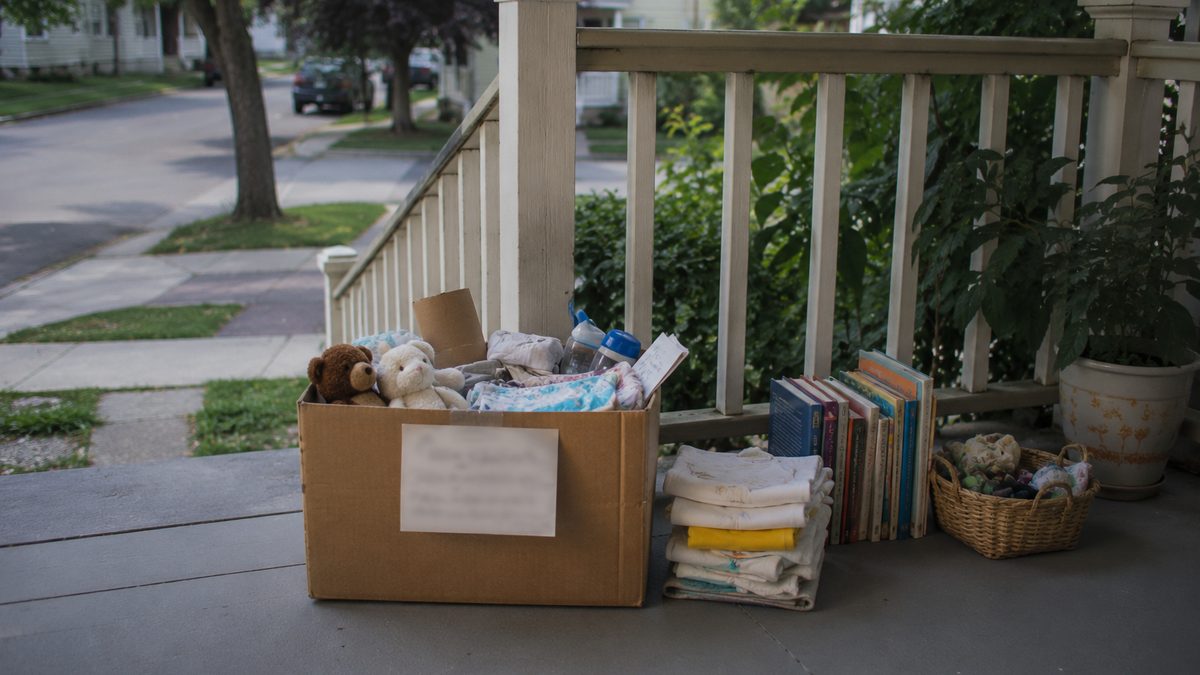
Simple household routines can remain useful long after newer technologies become widely available. Editorial illustration by TheDailyGlobe.
Key Facts
- Clothes dryers are among the larger users of household energy.
- Outdoor line drying remains legal and common in many communities.
- Some states have enacted right-to-dry protections.
- Line drying requires little equipment beyond space and suitable weather.
- National adoption rates for line drying are not clearly established.
For much of the last century, many household chores followed a familiar pattern. Clothes were hung outside to dry. Gardens supplied part of the family's food. Items were repaired before they were replaced. Over time, newer appliances and conveniences made many of those routines less common.
Yet some of those habits have not disappeared. In many communities, they are quietly returning—not because people are trying to relive the past, but because certain old practices still solve modern problems.
One of the clearest examples is the backyard clothesline. While clothes dryers remain standard in most American homes, line drying continues to attract interest from households looking for practical ways to reduce energy use and stretch household budgets.
Why an Older Habit Still Makes Sense
The appeal of line drying is straightforward. Once a clothesline is installed, the ongoing cost is minimal. Sunlight and moving air perform the work that would otherwise be handled by an electric or gas-powered appliance.
Department of Energy guidance identifies clothes dryers as notable household energy users. That does not mean every family can or should stop using a dryer. Weather, available space, neighborhood rules, and personal schedules all influence what works for a particular household.
But for people who have the space and time, drying even part of their laundry outdoors can reduce appliance use. The attraction is often practical rather than ideological.
The Culture of Convenience Meets Practicality
For decades, American households generally moved toward greater convenience. Appliances reduced physical labor and saved time. That shift brought obvious benefits, especially for families balancing work, school, and caregiving responsibilities.
The recent interest in older household routines does not necessarily signal a rejection of modern convenience. Instead, many people appear to be making selective choices. They use technology where it helps and adopt simpler methods where those methods still make sense.
A household might use a dryer during rainy weeks and a clothesline during sunny ones. A family may own modern kitchen equipment while also maintaining a vegetable garden. The pattern is less about nostalgia and more about choosing tools that fit a particular need.
Beyond Clotheslines
The same thinking can be seen in other parts of daily life. Home gardening, repairing household items, preserving food, borrowing tools, and reusing durable goods have all received renewed attention in recent years.
Many of these activities share a common feature: they can save money, reduce waste, or provide a greater sense of control over household expenses. They also tend to involve skills that were once more common but became less visible as consumer products became easier and cheaper to replace.
That does not mean every older habit is making a comeback. Nor does it suggest a major cultural shift away from modern living. Rather, certain practices continue to survive because they remain useful.
The Legal Side of Drying Laundry
Clotheslines have occasionally become the subject of local disputes involving neighborhood rules or housing regulations. In response, some states have enacted what are often called right-to-dry protections.
These measures generally limit the ability of certain organizations or agreements to prohibit residents from drying clothes outdoors. The details vary by state, and local rules can differ, but the existence of such laws reflects ongoing public interest in maintaining that option.
For residents, the practical takeaway is simple: the rules can vary depending on where they live. Anyone considering a clothesline may want to review local requirements before installing one.
What We Still Don't Know
Despite growing discussion around household self-reliance and practical living, reliable national data on line-drying habits remain limited. Available information does not establish how many households currently use clotheslines or whether participation is increasing nationwide.
Regional differences may also be substantial. Climate, housing density, yard size, and local regulations can all influence whether outdoor drying is practical.
What Readers Should Watch Next
The larger story may not be about clotheslines themselves. It may be about how households adapt when costs, technology, and everyday routines intersect. People regularly reevaluate which conveniences are worth the expense and which tasks can be handled another way.
For some families, that calculation may lead right back to a clothesline in the backyard—a simple tool that never completely disappeared and still serves a purpose in many homes today.
Reporting note: Reporting draws on Department of Energy resources, extension service guidance, public information on household energy use, and reviewed background materials. This article was produced with AI-assisted research and reviewed by an editor before publication.