Small Creative Rituals Help People Feel More Human
Everyday creativity is not only for professional artists. Small acts of making can help people mark time, remember and stay connected to ordinary life.
Save Article
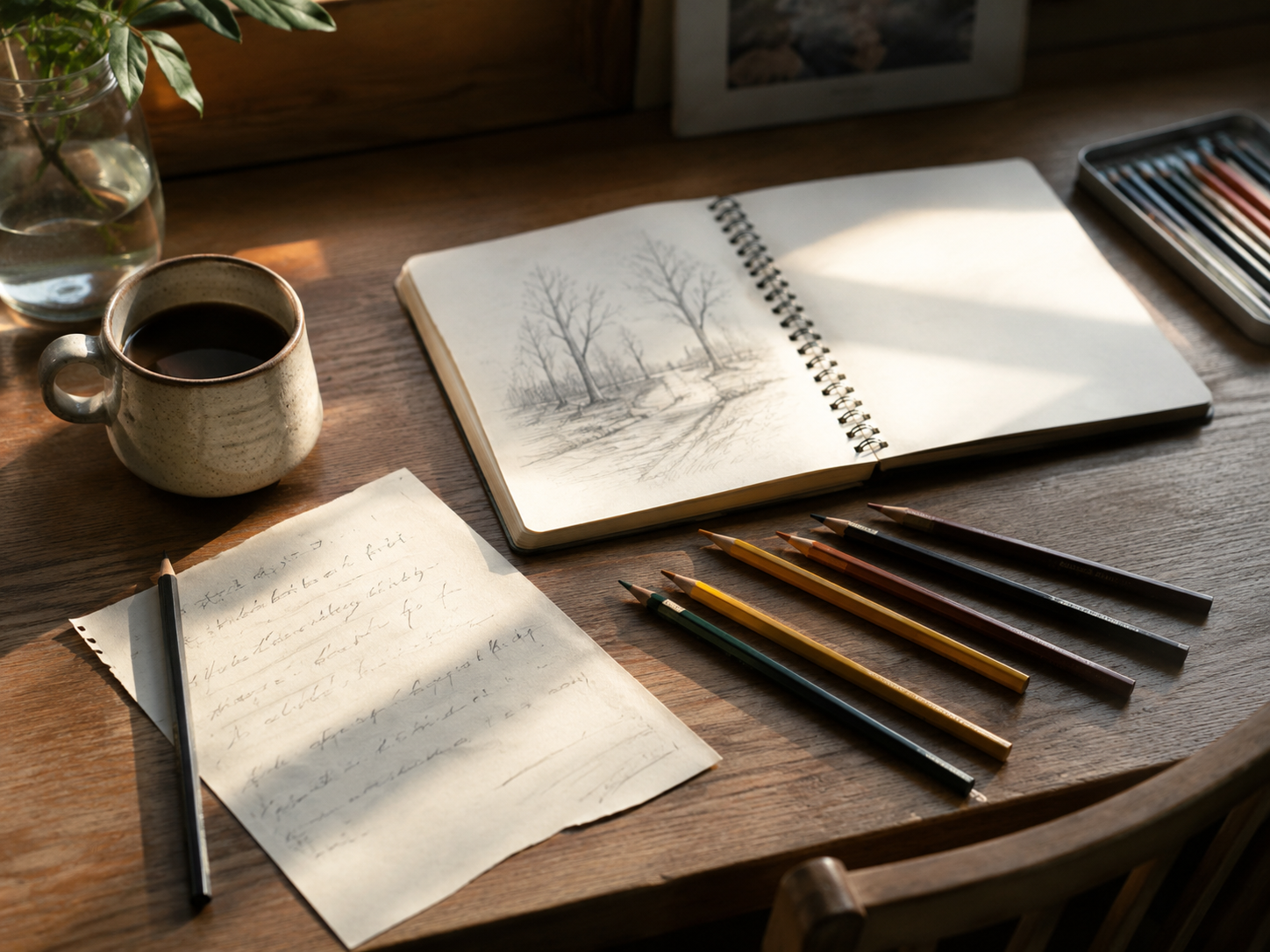
Small acts of making can help people preserve attention, memory and a sense of connection. Editorial illustration by TheDailyGlobe.
Key Facts
- The National Endowment for the Arts publishes research on arts participation, art-making and social connectedness.
- NEA’s Survey of Public Participation in the Arts tracks arts attendance and literary reading.
- The Bureau of Labor Statistics American Time Use Survey reports how people spend time across work, household activities and leisure.
- The National Gallery of Art provides educational resources to help people explore artworks, artists and creative media.
After a long day, a person sits down for ten quiet minutes with a notebook, a pencil, a recipe, a guitar, a needle and thread, a camera roll or a half-finished sketch.
Nothing about it needs to become a business. It does not have to be posted, sold, framed, graded or improved into a personal brand. It may simply be something made by hand at the edge of a busy life.
That small act matters because culture is not only something people consume. It is also something people practice.
Creativity Is Not Only a Profession
The word creativity often gets narrowed until it sounds like it belongs only to artists, musicians, writers, designers or people with studio space and formal training.
That misses much of ordinary life. A person arranging flowers from the yard, taking photos on a walk, mending a jacket, journaling before bed, decorating a birthday cake, singing with a child, making a scrapbook or cooking a family dish is also participating in culture.
Not every creative act becomes art in a museum. Not every hobby needs public recognition. Some creative rituals matter because they help people notice their lives instead of only rushing through them.
The Value of Making Something Small
Modern life offers endless ways to watch, scroll and react. Passive entertainment can be enjoyable, and there is nothing wrong with resting in front of a screen. But making something asks for a different kind of attention.
A sketchbook, garden bed, song, photo album, handwritten note or repaired chair slows the mind in a specific direction. It gives the hands something to do. It creates a record, even if no one else sees it.
That should not be turned into a medical claim or a wellness promise. Small creative rituals do not magically fix stress, loneliness, grief or exhaustion. They are not treatment, and they should not be sold as a cure.
Their value is more modest and more human. They give people a way to mark time, remember, pay attention and make something that did not exist before.
Time Is Part of the Story
The Bureau of Labor Statistics tracks how people spend time across work, household activities, leisure and other parts of daily life. That matters because creativity does not happen outside the clock.
A caregiver, parent, student, retiree, shift worker or person holding multiple jobs may not have the same room for hobbies as someone with more predictable time. Creative access can depend on money, transportation, disability, local programs, family obligations, confidence and whether someone was ever made to feel welcome in an arts space.
That is why small rituals matter. They lower the gate. A person may not have time for a class, studio or long project. But they may have ten minutes to draw, hum, plant, write, sew, photograph, read aloud or shape a meal with care.
Public Culture Starts Close to Home
NEA research materials track arts participation and art-making at a public level, while National Gallery of Art educational resources help people explore artworks, artists and creative media. Those institutions matter because they show that creativity is not only private decoration. It is part of civic and cultural life.
Still, many people first meet creativity outside institutions. They learn it from a parent who sings while cooking, a grandparent who quilts, a neighbor who gardens, a teacher who keeps art supplies in a classroom, a friend who shares a playlist, or a library program that makes trying something new feel safe.
Culture becomes less intimidating when people can see themselves inside it. The point is not to turn everyone into a professional artist. The point is to remember that making, noticing and sharing are ordinary human behaviors.
Digital Tools Change the Shape of Making
Digital tools have widened access for many people. A phone can be a camera, recording studio, sketchpad, publishing tool, recipe archive and classroom. Someone without money for expensive equipment may still find ways to create, learn and share.
But digital creativity can also blur into performance. A hobby can start to feel like content. A small act of making can become tangled with likes, comments, algorithms and comparison.
That tension is still unfolding. It remains unclear how digital creative tools will change everyday art-making over time, especially for people who are young, busy, isolated, under financial pressure or trying to build confidence.
What Readers Can Notice
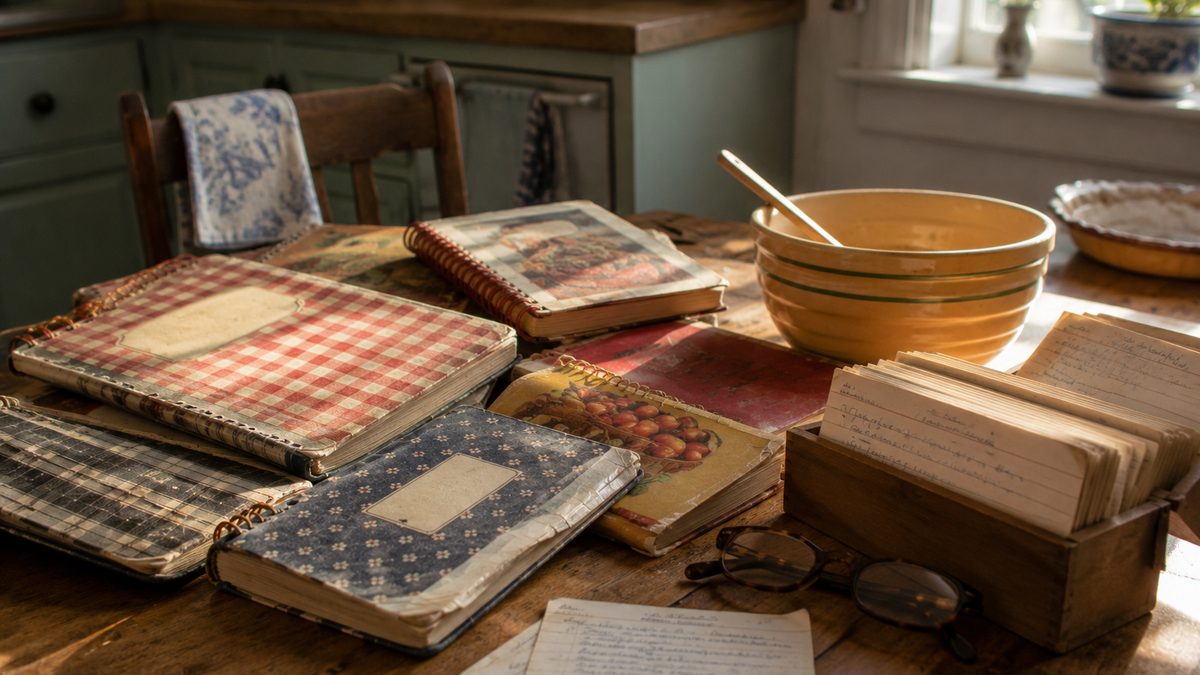
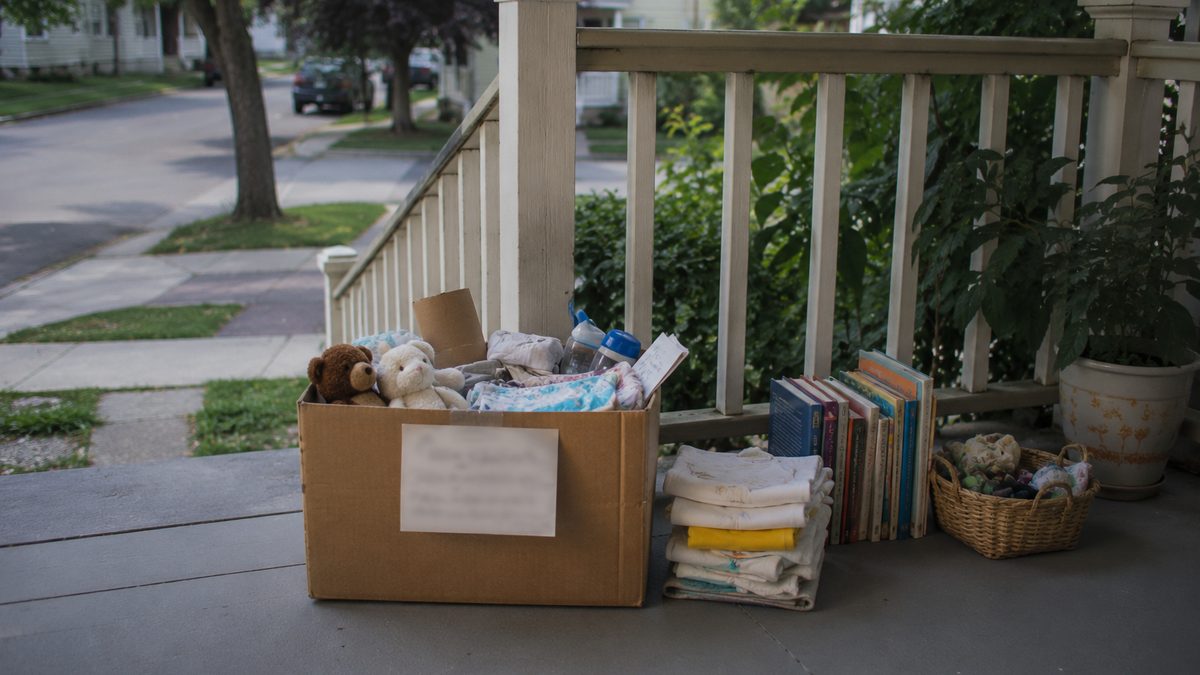
Readers do not need to wait for a perfect setup. The small creative ritual may already be present: the recipe written in the margin, the playlist made for a road trip, the birthday card drawn by hand, the garden pot on the porch, the photo taken at sunset, the notebook kept beside the bed.
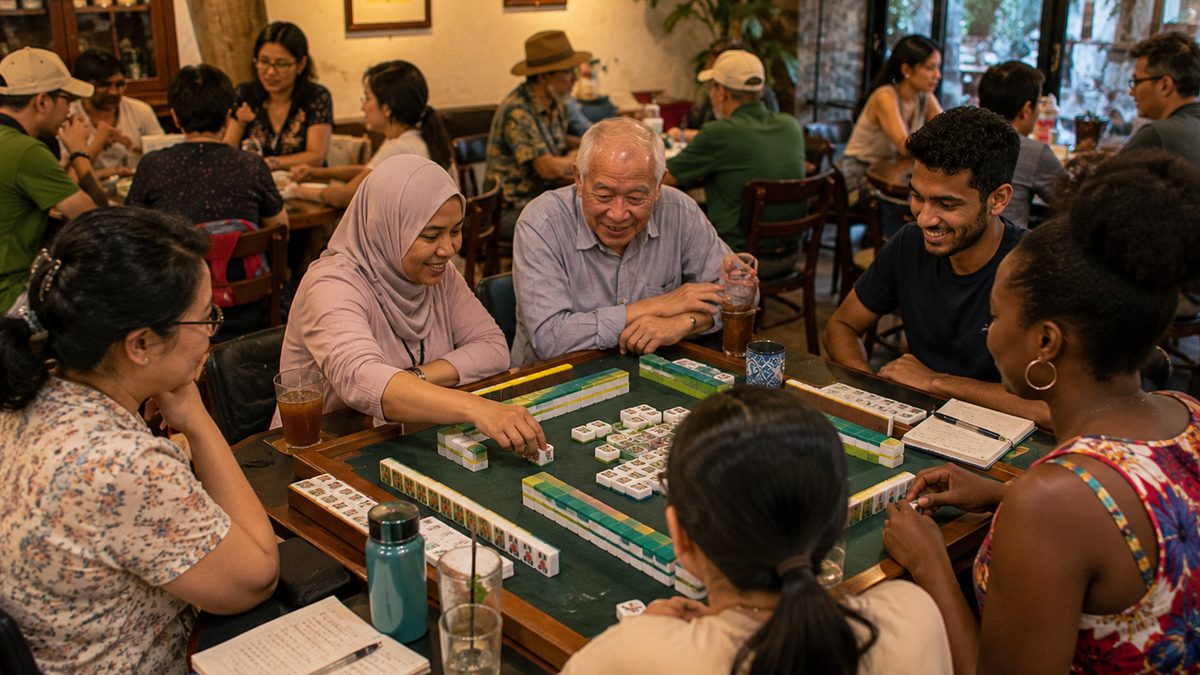
They can also watch what their communities make possible. Libraries, museums, schools, local arts groups, senior centers, parks, churches, bookstores and community colleges can all create low-pressure ways for people to make and learn together.
The useful question is not whether a person is talented enough to be creative. It is whether daily life leaves any room to make something small, personal and real.
In a world that often pushes people to consume faster, respond faster and move on faster, a small creative ritual can be a quiet refusal. It says a person is not only a worker, customer, viewer or user. They are still someone who can make, notice, remember and leave a mark.
Reporting note: Reporting draws on National Endowment for the Arts research materials, Bureau of Labor Statistics time-use data, National Gallery of Art educational resources, and reviewed background materials. This article was produced with AI-assisted research and reviewed by an editor before publication.