Pollinator Week Makes Backyard Gardening Feel Useful, Not Fancy
Pollinator Week highlights how small gardens, patios, and outdoor spaces can connect everyday households to the insects that help support food production and local ecosystems.
Save Article
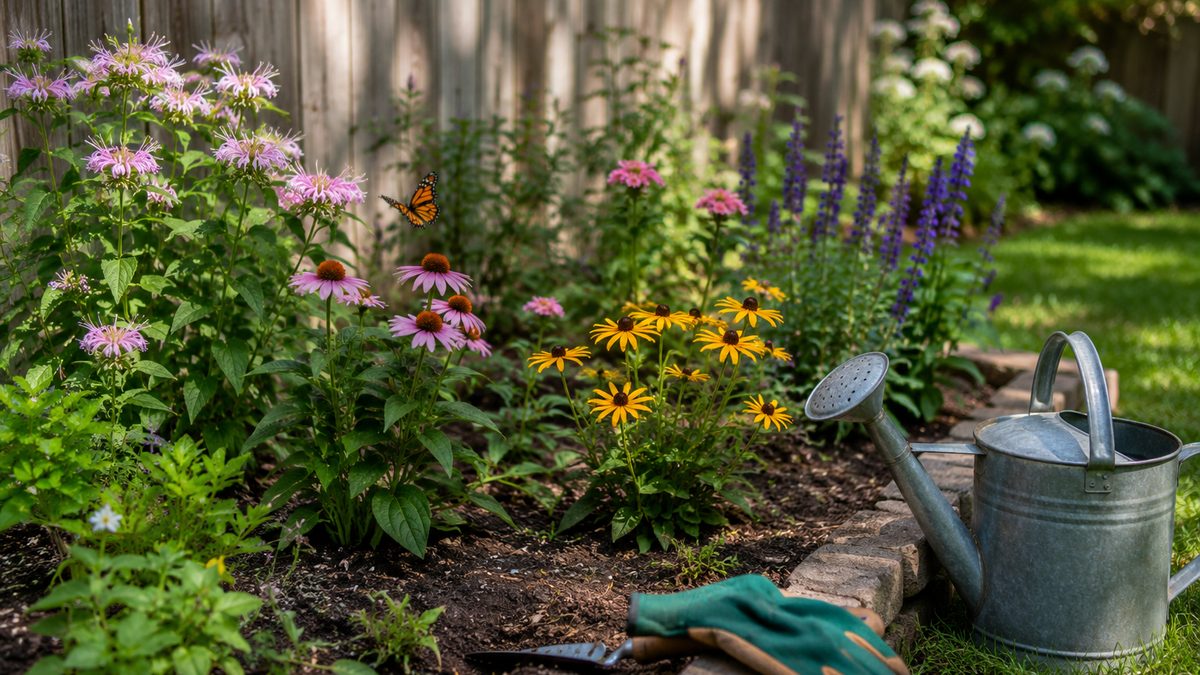
Pollinator Week highlights how small gardens and outdoor spaces can support bees, butterflies, and local ecosystems. Editorial illustration by TheDailyGlobe.
Key Facts
- Pollinator Week is scheduled for June 22–28, 2026.
- USDA says pollinators play an important role in agriculture and ecosystems.
- The U.S. Fish & Wildlife Service provides public guidance on supporting pollinators.
- Pollinators include bees, butterflies, birds, bats, and other species that help plants reproduce.
- The best pollinator-friendly plants can vary significantly by region.
Not every garden starts with a big yard. Sometimes it is a few flowers in a container on an apartment balcony, a small patch of plants near a mailbox, or a corner of a backyard that finally gets some attention after years of being ignored.
That ordinary approach to gardening is part of what makes Pollinator Week resonate with many people. Scheduled for June 22–28, 2026, the annual observance focuses attention on bees, butterflies, birds, and other pollinators while reminding people that supporting local wildlife does not require turning a home into a magazine-worthy landscape.
Why Pollinators Matter Beyond The Garden
Many people associate pollinators mainly with flowers, but their role extends much further. According to USDA resources, pollinators help support agricultural production and natural ecosystems by moving pollen between plants, allowing many species to reproduce.
That connection links pollinators to food crops, native plants, and landscapes that people encounter every day. While most consumers rarely think about pollination while shopping for groceries, the process is part of a larger system that supports many fruits, vegetables, nuts, and flowering plants.
Pollinator Week exists partly to make that relationship easier to understand. Rather than focusing only on scientific research or conservation policy, the observance encourages people to notice how insects and other pollinators fit into everyday life.
A Different Kind Of Home Project
Home and garden coverage often drifts toward expensive renovations, designer landscaping, or large outdoor projects. Pollinator-focused gardening tends to operate on a different scale.
For many households, the entry point is relatively simple: a few containers, a small flower bed, or a modest effort to include plants that attract local pollinators. The idea appeals to people who want an outdoor hobby without committing to a major project or significant expense.
That does not mean every planting choice automatically creates measurable environmental benefits. Public agencies and conservation groups generally emphasize that local conditions matter, and that successful approaches vary from one region to another.
The Limits Of What We Know
One reason pollinator conversations sometimes become oversimplified is that it can be difficult to measure the impact of any single yard, patio, or garden space. Available guidance supports the idea that pollinator-friendly habitats can be helpful, but public information does not establish exactly how much one individual planting project changes outcomes in a particular neighborhood.
Plant selection presents another challenge. A flower that attracts pollinators in one part of the country may not be the best choice somewhere else. Climate, soil conditions, native species, and local growing seasons all influence what works well.
Because of those differences, federal agencies and conservation organizations often encourage gardeners to look for local guidance rather than relying on one national list of recommended plants.
Why The Trend Feels Different
Part of the appeal of Pollinator Week is that it frames gardening as something practical rather than performative. The goal is not necessarily to create a perfect yard or follow a social-media trend. Instead, the focus is on learning a little more about how outdoor spaces function and how people interact with the natural world around them.
That perspective can make gardening feel more accessible. A small planter box, a handful of flowers, or a modest backyard project may not look dramatic, but it can help people pay attention to seasonal changes, wildlife activity, and the local environment in a way that many modern routines do not encourage.
What Readers Can Check Locally
As Pollinator Week approaches, readers interested in learning more may find the most useful information close to home. Local extension offices, native plant organizations, garden clubs, and conservation groups often provide region-specific guidance that reflects local growing conditions.
That local focus matters because pollinator support is rarely a one-size-fits-all project. The plants, insects, and habitats that thrive in Arizona may be very different from those found in Maine, Texas, or Oregon.
For many people, Pollinator Week is less about launching a major gardening project and more about noticing a connection that already exists. A flower bed, porch container, or small patch of yard may not change the world on its own, but it can offer a practical way to engage with the plants and pollinators that help shape the environment around us.
Reporting note: Reporting draws on Pollinator Partnership materials, USDA guidance, U.S. Fish & Wildlife Service resources, and reviewed background materials. This article was produced with AI-assisted research and reviewed by an editor before publication.