National Park Free Days Are Turning Summer Outings Into a Budget Culture Story
A June 14 fee-free entrance day at National Park Service sites highlights how public outdoor spaces remain one of the country's most accessible summer traditions.
Save Article
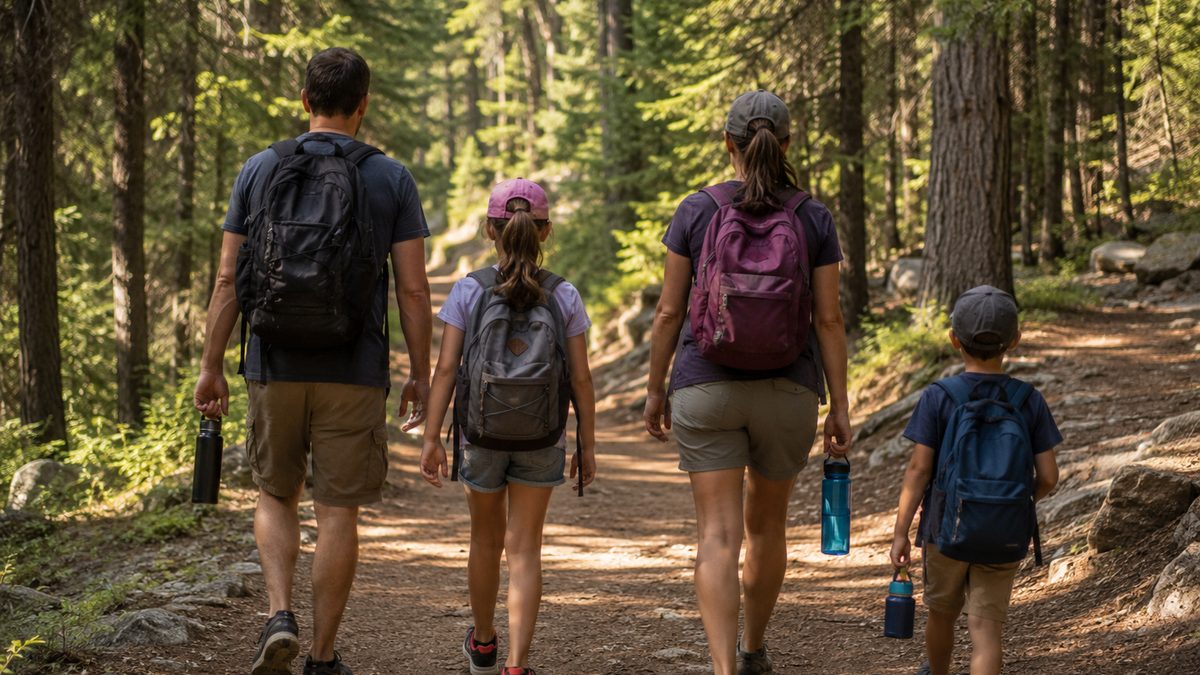
Fee-free park days can make summer outings more reachable for families watching their budgets. Editorial illustration by TheDailyGlobe.
Key Facts
- The National Park Service lists June 14, 2026, as a fee-free entrance day.
- Fee-free days waive entrance fees at participating sites that normally charge admission.
- Camping, reservations, tours, concessions, and certain amenity fees may still apply.
- The National Park Service advises visitors to plan ahead before visiting.
- Not every park charges an entrance fee during normal operations.
Summer outings can get expensive quickly. Between travel costs, admission tickets, food, and activities, even a simple family day trip can put pressure on a household budget.
That helps explain why National Park Service fee-free days continue to attract attention. On June 14, visitors can enter National Park Service sites that normally charge an entrance fee without paying that specific admission cost, creating an opportunity for families, travelers, and outdoor enthusiasts to explore public lands at a lower cost.
Why These Days Draw Attention
The practical savings matter, but fee-free days are about more than saving the cost of admission. They also highlight the role public lands play in American life. National parks, monuments, historic sites, recreation areas, and other public spaces provide places where people can spend time outdoors without needing an expensive vacation package or major entertainment budget.
For many families, summer traditions are built around simple experiences: a hike, a picnic, a scenic drive, a historic landmark, or a day spent exploring somewhere new. Public lands make those experiences available to people across a wide range of income levels.
That accessibility helps explain why fee-free days often generate interest beyond dedicated outdoor enthusiasts. The events can encourage visits from people who may not regularly travel to national parks but are looking for affordable activities during the summer season.
What Is And Is Not Free
One common misunderstanding is that fee-free days eliminate every cost associated with a park visit. The National Park Service is careful to explain that the waiver generally applies only to entrance fees.
Visitors may still encounter charges for camping, timed-entry reservations, guided tours, special recreation permits, parking in certain locations, concession-operated services, or other amenities depending on the site. Travel expenses such as fuel, lodging, meals, and equipment rentals also remain the responsibility of visitors.
In other words, the day can reduce the cost of visiting many sites, but it does not necessarily make an entire trip free.
Why Parks Matter Beyond Recreation
National parks often get discussed as tourist destinations, but they also function as cultural spaces. They preserve historic sites, battlefields, monuments, landscapes, wildlife habitats, and places that help tell the story of the country.
A visit might involve hiking through a canyon, touring a historic building, learning about Indigenous history, exploring a Civil War battlefield, or viewing a landmark that millions of people have seen only in photographs. That combination of recreation, education, and shared public access makes national parks different from many commercial attractions.
As families look for ways to spend time together without adding major expenses, public outdoor spaces often become part of the conversation. Parks provide a place to walk, learn, explore, and disconnect from screens without requiring luxury travel budgets.
The Unknown Factor Is Crowds
One thing no one knows in advance is exactly how busy individual parks will be on June 14. Some popular destinations may experience heavier visitation than usual, while others could remain relatively quiet.
It is also unclear whether nearby state parks, local parks, and recreation areas will see additional visitors because of interest generated by the fee-free day. Public agencies typically adjust operations as needed, but visitor levels can vary significantly from one location to another.
Crowd levels often depend on weather, local events, travel conditions, and the popularity of specific sites.
What Visitors Should Check Before Leaving
The National Park Service encourages visitors to review park-specific information before traveling. Hours, reservation requirements, trail conditions, weather concerns, and temporary closures can differ widely from one location to another.
For readers considering a June 14 outing, the most useful takeaway may be the simplest one. The fee-free day can lower the cost of visiting many national park sites, but a little planning remains important. Checking a park's website ahead of time can help visitors understand what fees are waived, what costs may still apply, and what conditions to expect when they arrive.
As summer gets underway, that combination of public access, outdoor recreation, and manageable costs helps explain why fee-free park days continue to resonate with families looking for ways to spend time together without turning every outing into a major expense.
Reporting note: Reporting draws on National Park Service visitor information, official park access materials, trip-planning guidance, and reviewed background materials. This article was produced with AI-assisted research and reviewed by an editor before publication.